
Last updated September 22, 2026
Level 1 sweep and inspection to the NFPA 211 annual standard - flue, crown, cap, and flashing checked and photographed
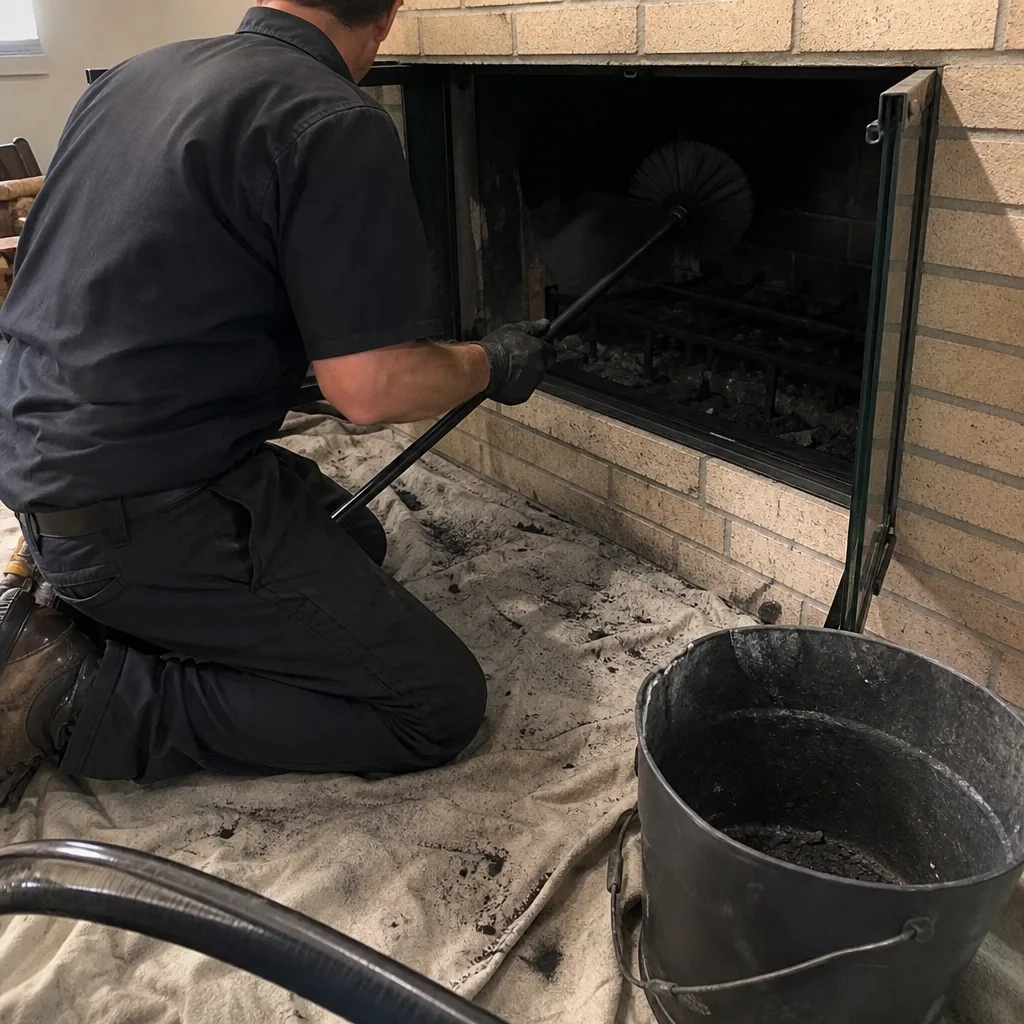
Chimney sweep logs do not sweep chimneys. They loosen some creosote - which then falls where a brush and vacuum still have to collect it.
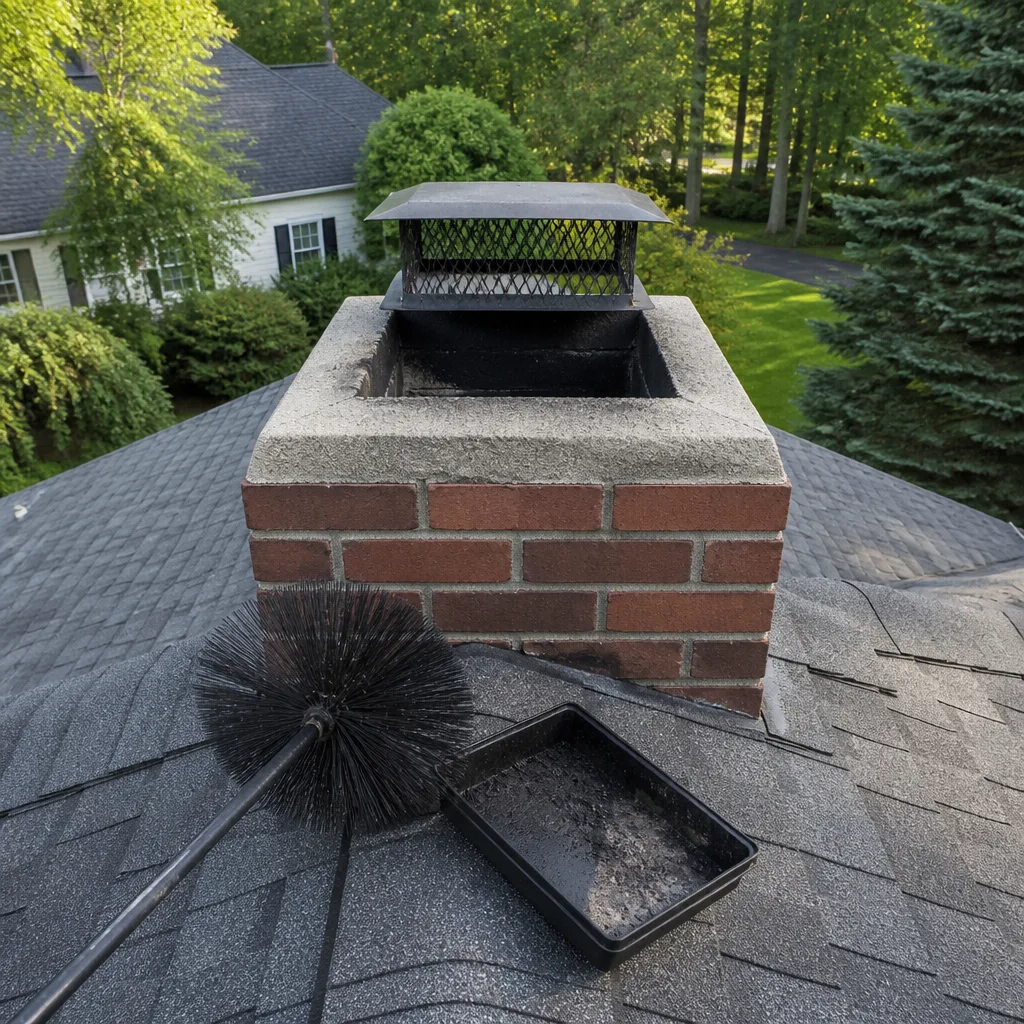
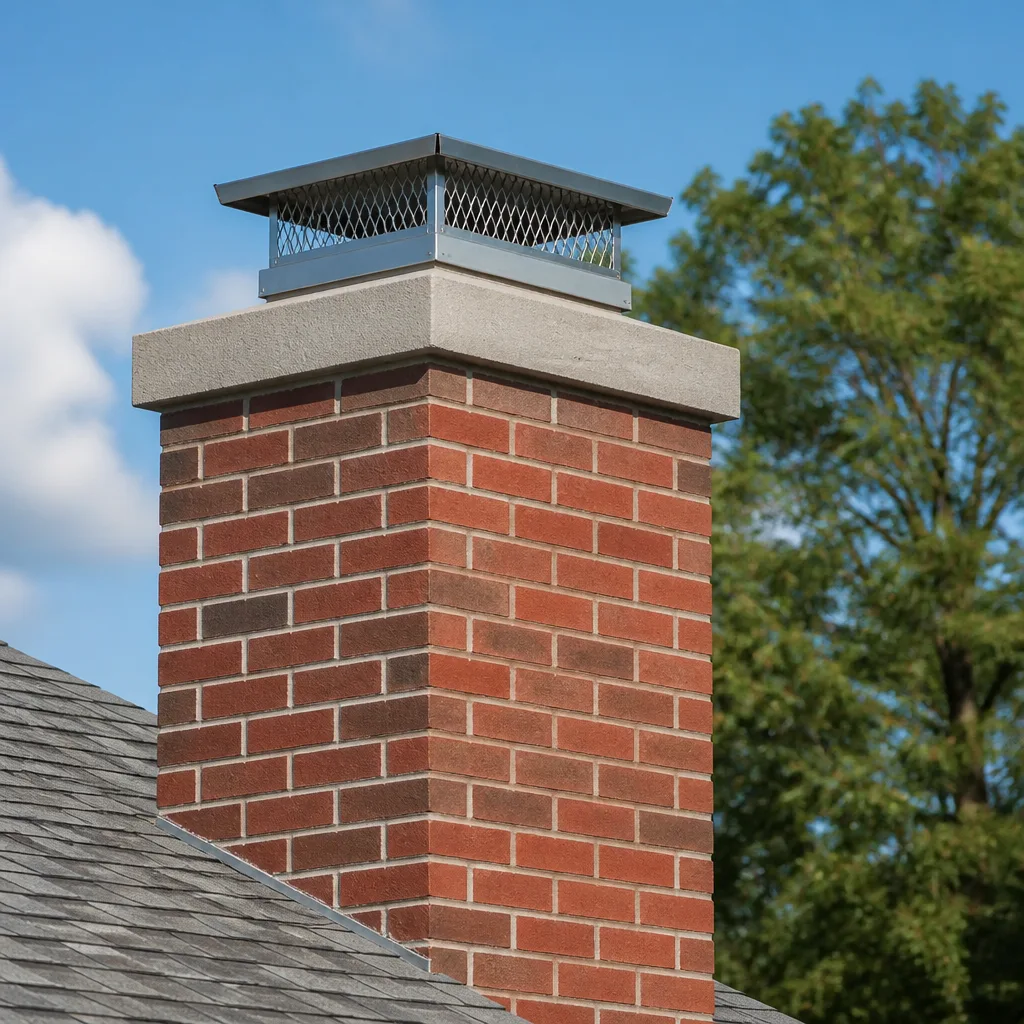
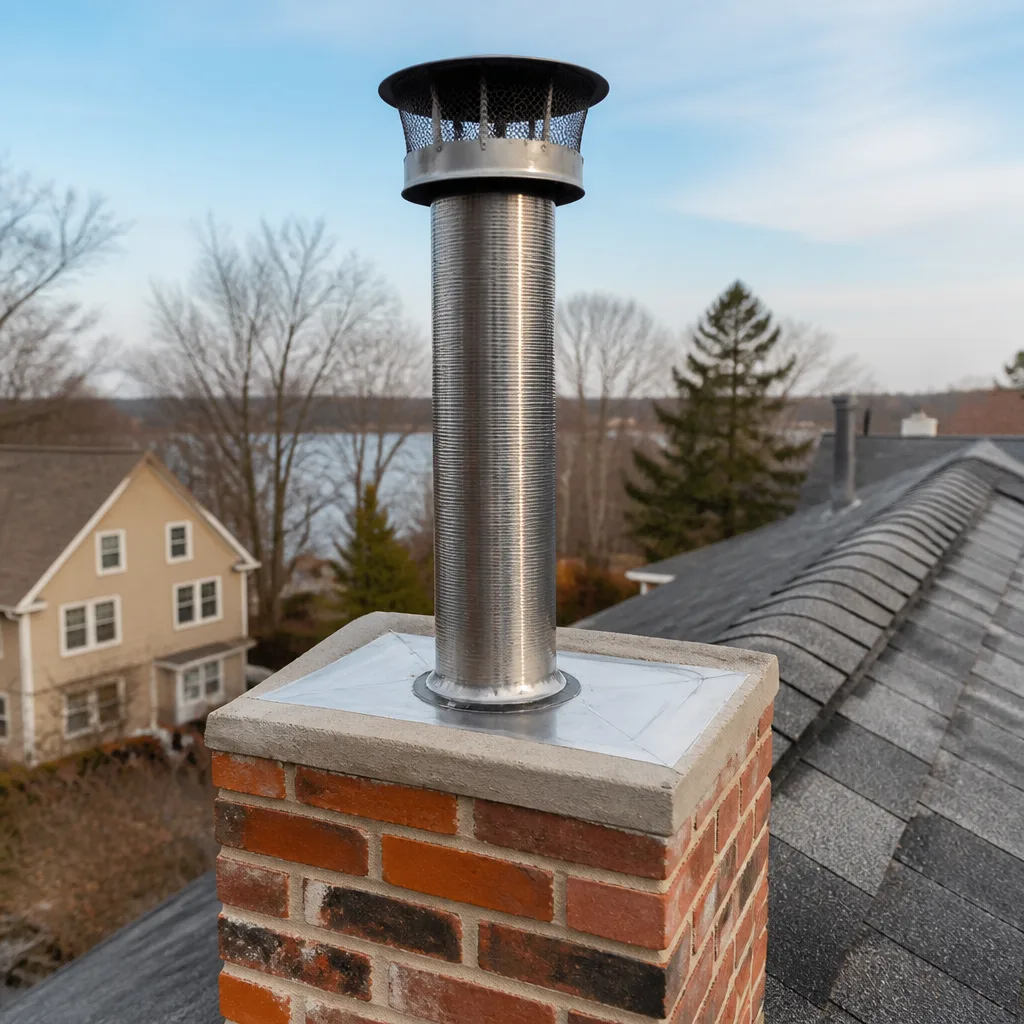
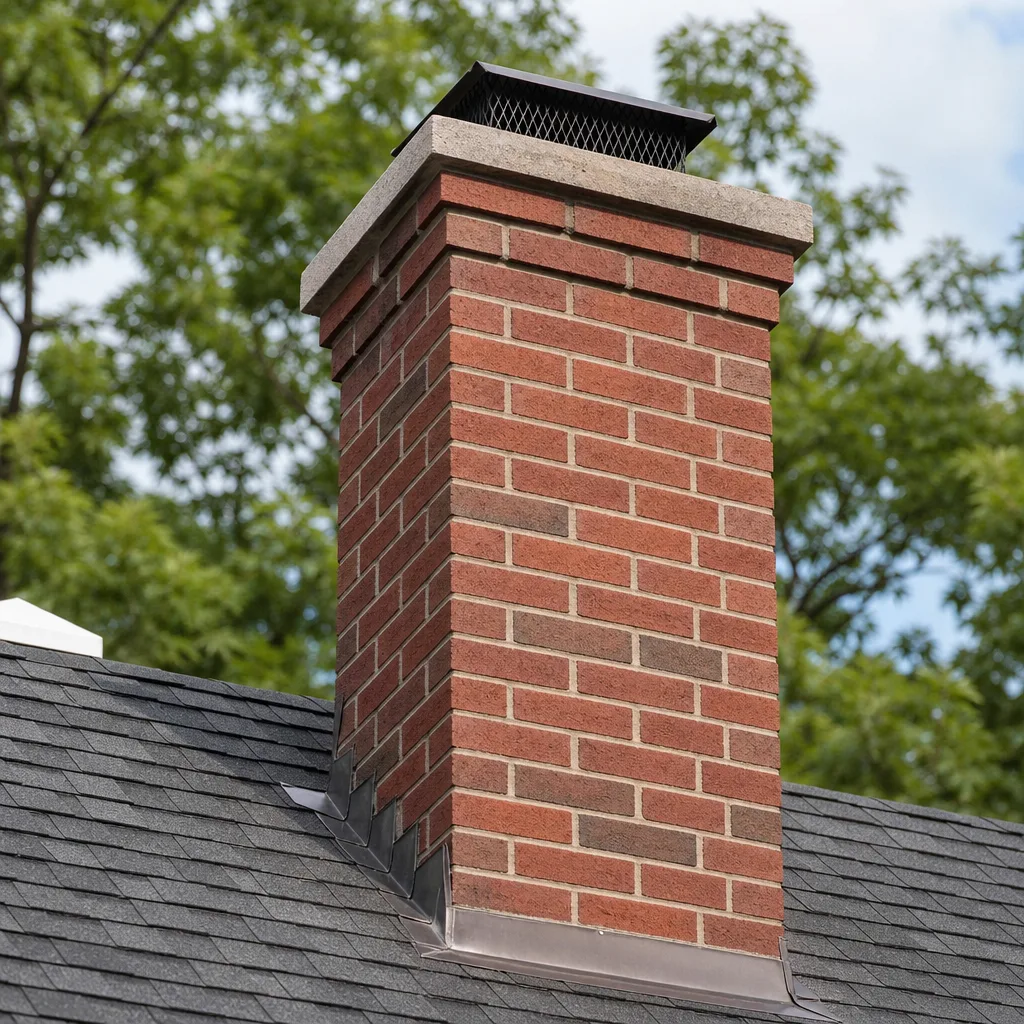
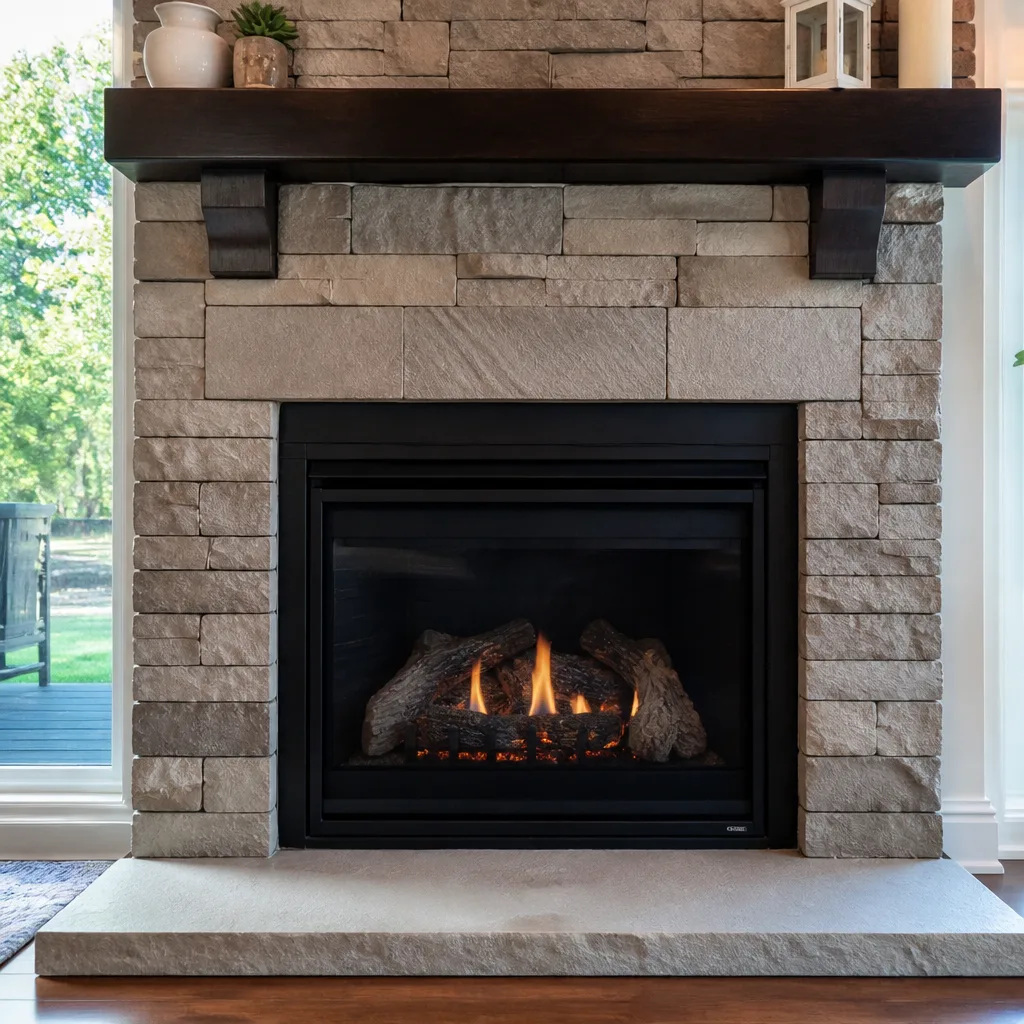
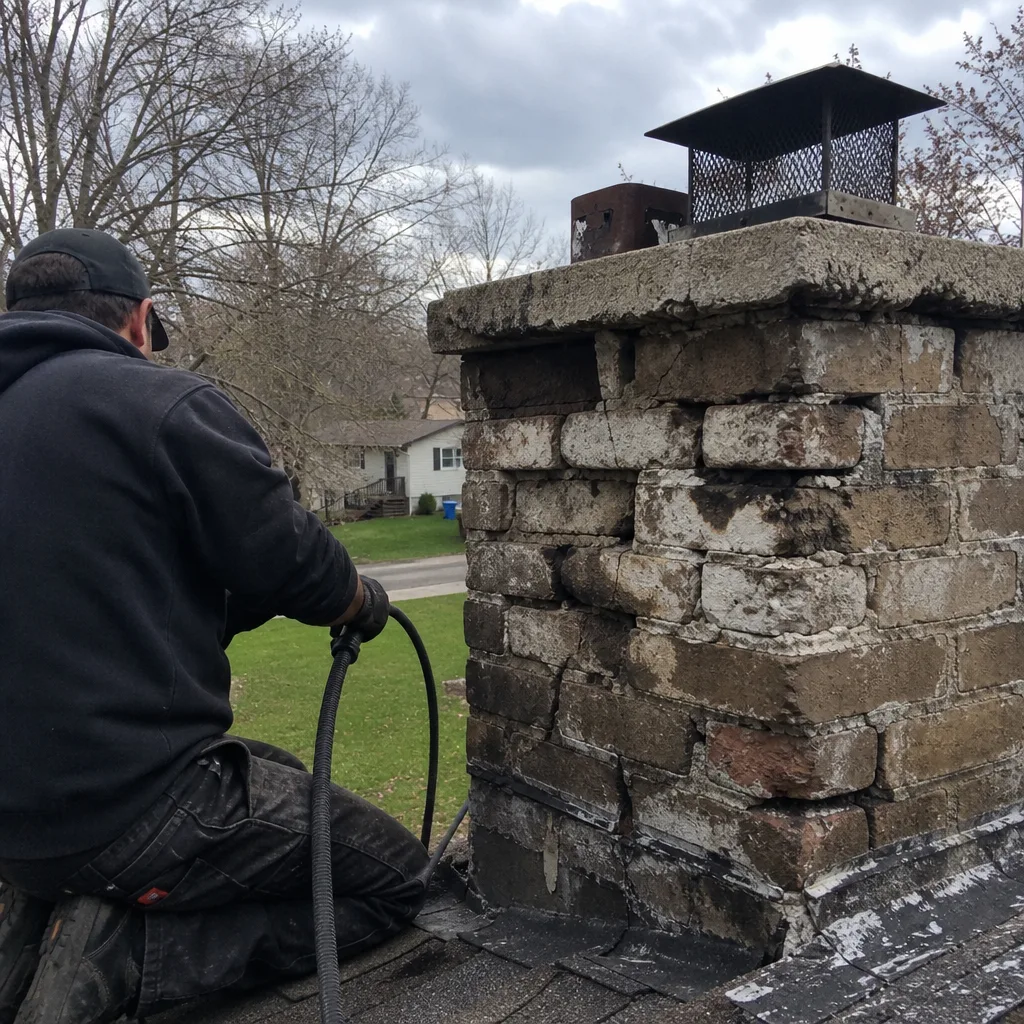 Before
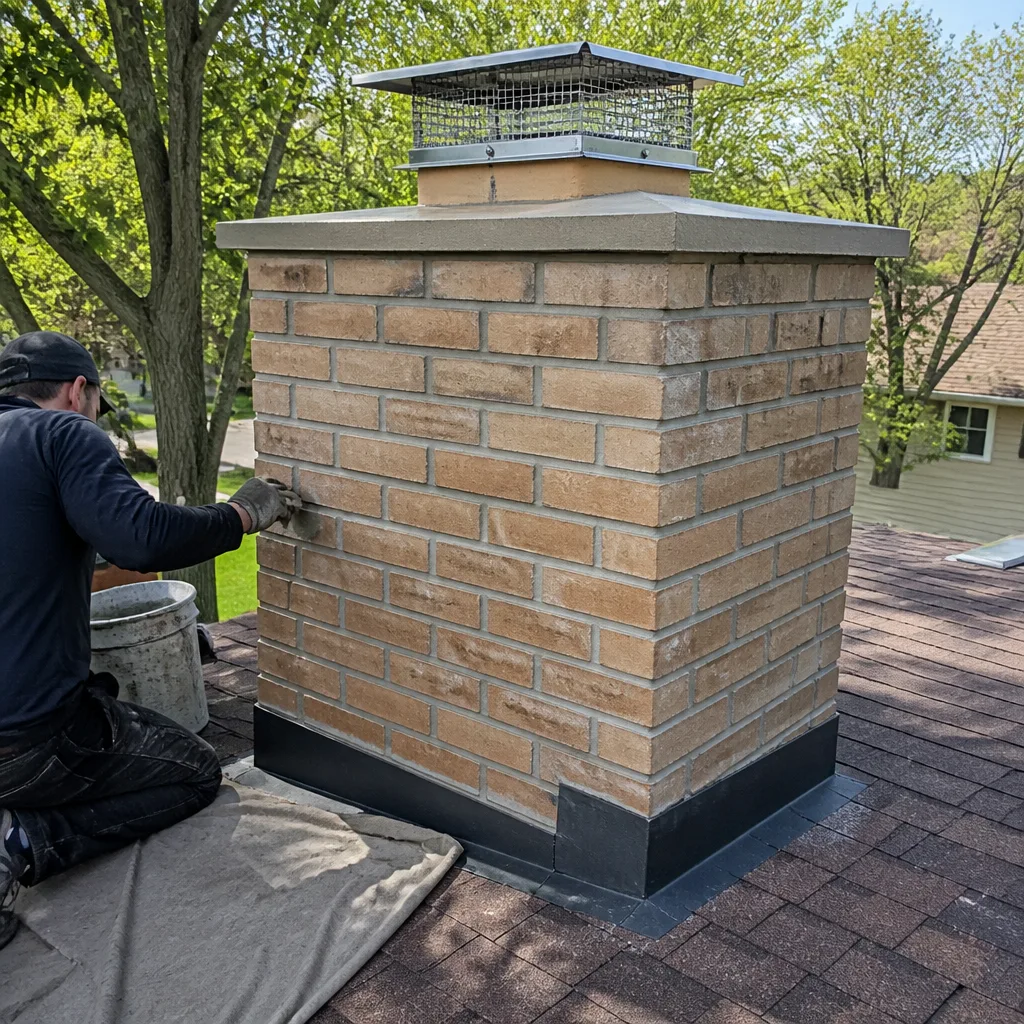 After
After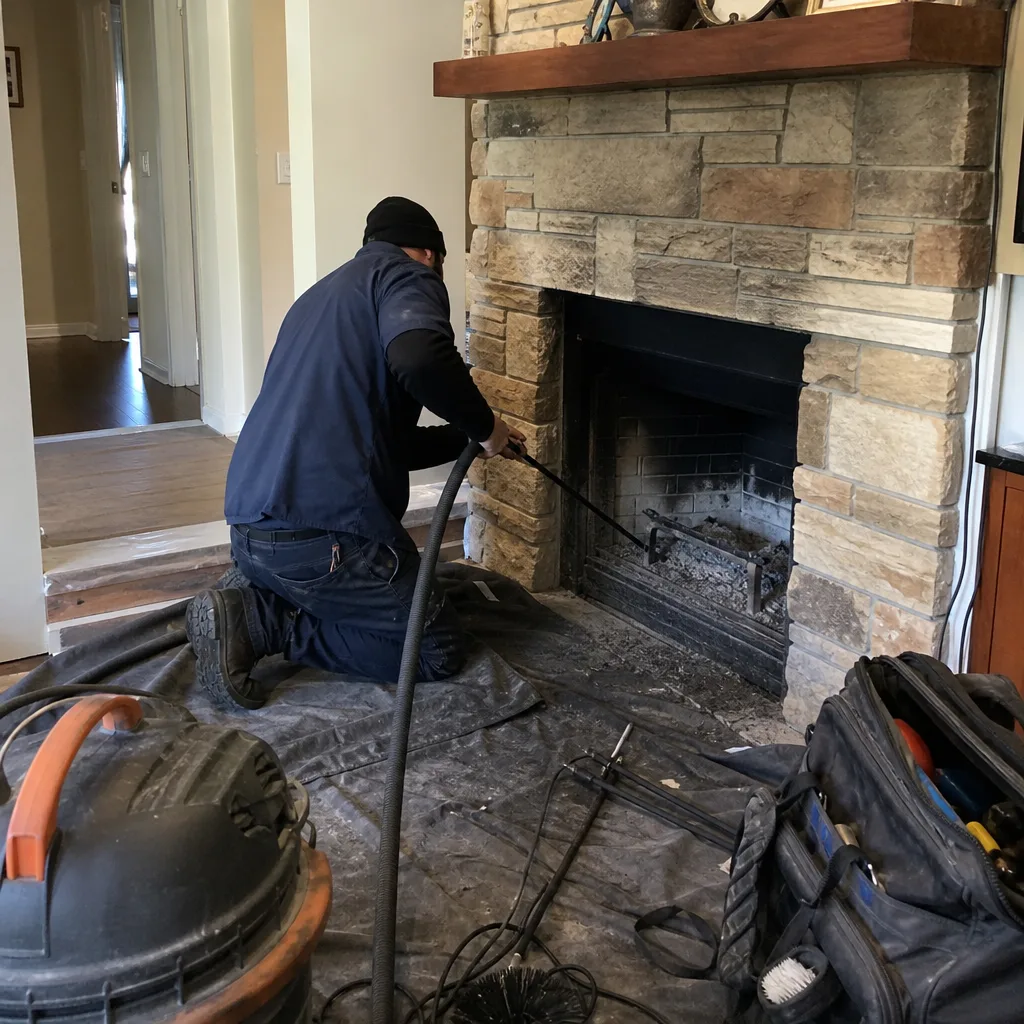 Before
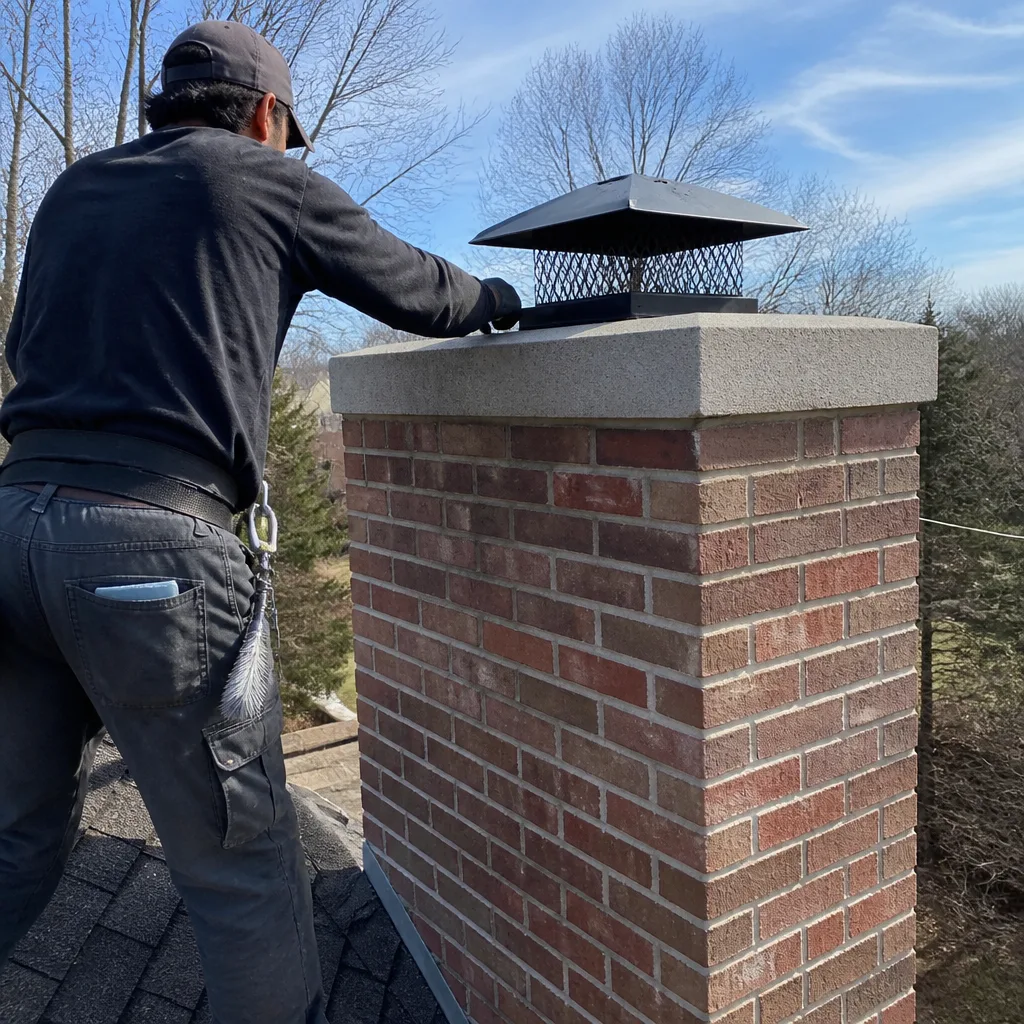 After
After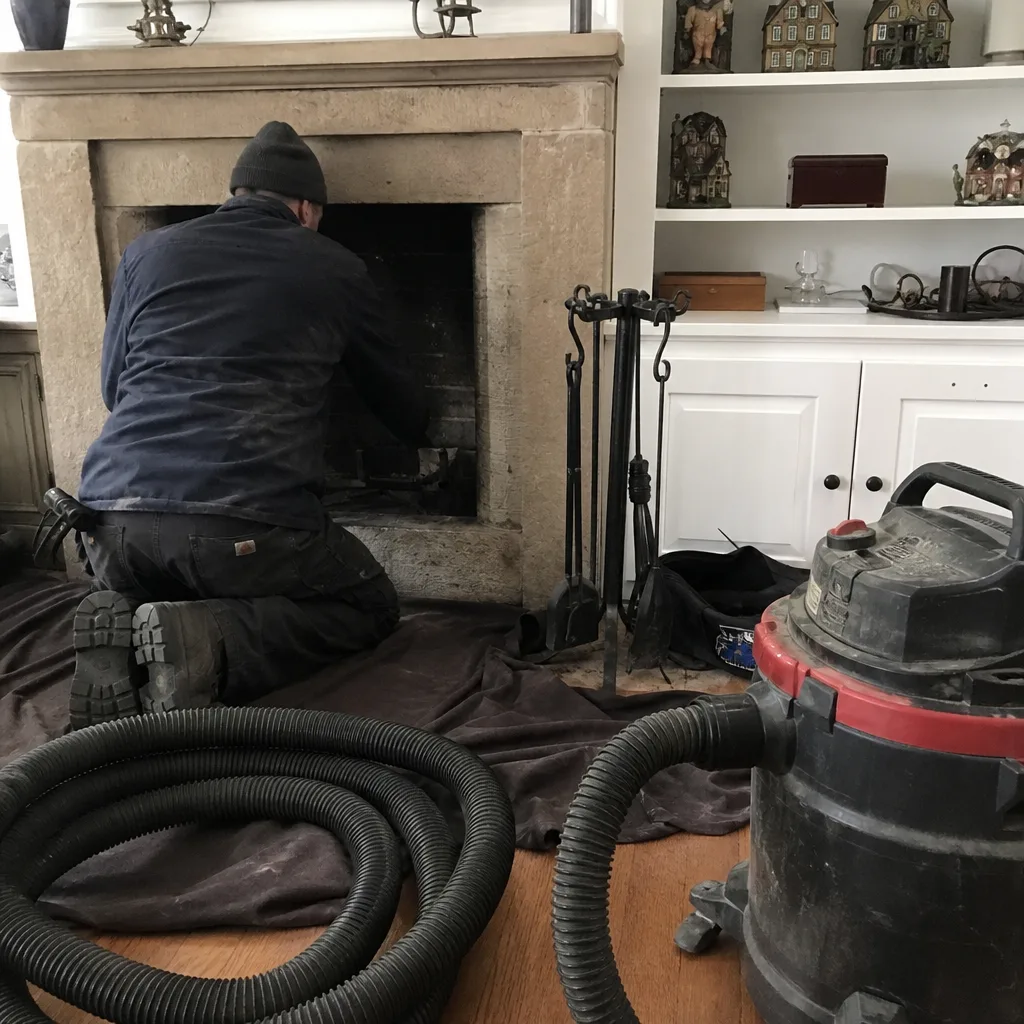 Before
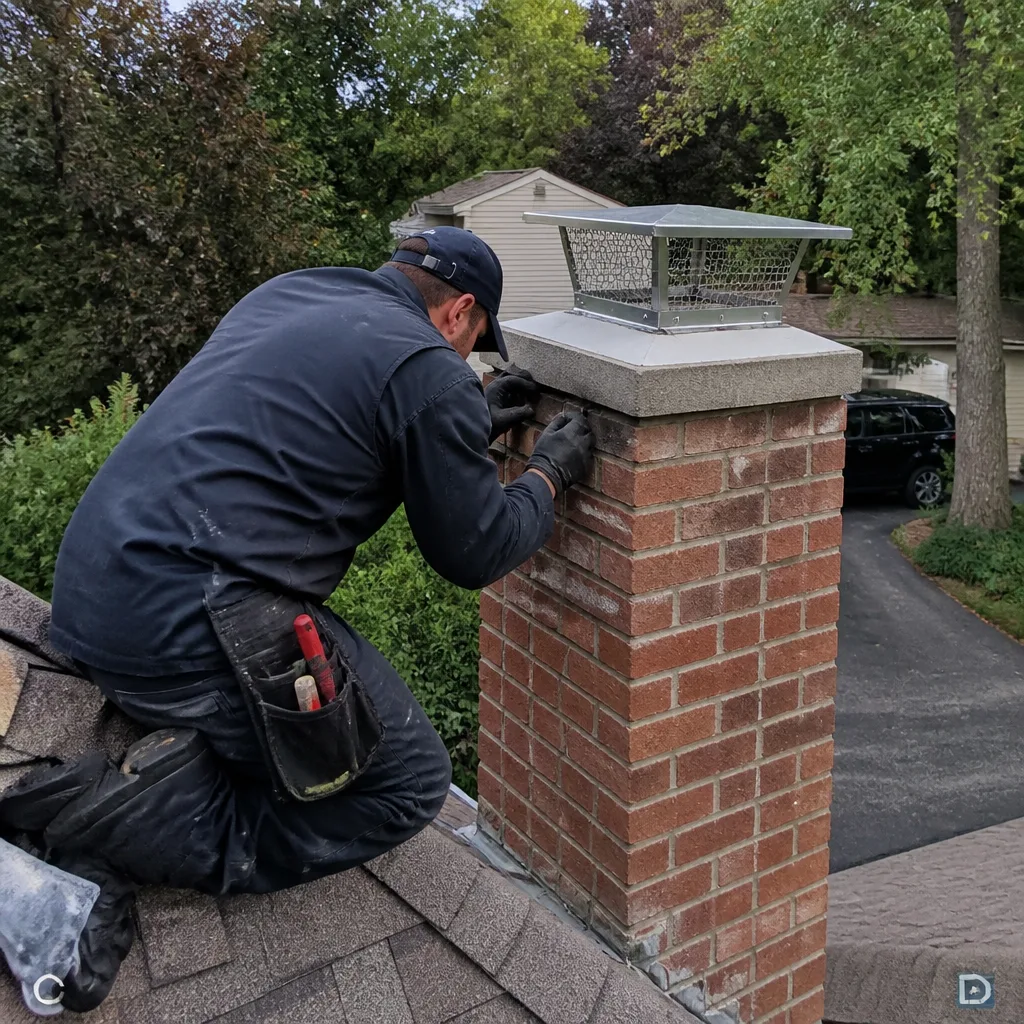 After
AfterChimney Cleaning Warning Signs: A Arlington Heights Homeowner’s Reference Guide
Most Arlington Heights homeowners look for chimney trouble in the wrong place. They expect warning signs to show up as black streaks on brick or chunks of mortar in the firebox. In our experience across 38,000 inspections, the real signals appear in your living room, your bedroom, and your utility bills - weeks or months before anything looks wrong from the outside. A fireplace that “just doesn’t draw like it used to” is a pressure problem. A smoke smell in August is a chemistry problem. Both have specific causes, specific risks, and specific fixes. This guide - alongside our Complete Guide to Chimney Cleaning in Arlington Heights - teaches you to read the five in-home symptoms that actually matter, distinguish between “cleaning overdue” and “do not use,” and know when a routine sweep needs to become a full NFPA 211 Level 2 inspection.
Quick Answer
The five warning signs that your chimney needs cleaning are: smoke rolling into the room when you light a fire, persistent draft reversal or slow draw, a sharp smoky or tar-like odor that worsens in humid weather, visible soot or creosote buildup at the damper edge, and white efflorescence staining on exterior brick. If you notice smoke rollout or a sudden complete loss of draft, do not use the fireplace until inspected. For odor, slow draw, or minor soot, schedule a cleaning before your next burn.
Table of Contents
- Smoke Rollout: When Fire Comes Into the Room
- Draft Reversal and Slow Draw: Reading Pressure Problems
- Odor Timing: What Chimney Smells Mean by Season
- Visible Soot and Creosote at the Damper
- White Staining on Exterior Brick: Efflorescence Explained
- Gas Inserts and Prefab Fireplaces: Different Warning Signs
- When Warning Signs Indicate Damage Beyond Cleaning
- The Urgency Threshold: Clean Before Use vs. Do Not Use
 Before
 After
AfterSmoke Rollout: When Fire Comes Into the Room
Smoke rollout is the most urgent warning sign a chimney can send. You light your kindling, and instead of rising into the flue, smoke pushes back into the living space - sometimes immediately, sometimes after a few minutes of apparently normal draw.
Most Arlington Heights homes built between 1950 and 1990 have masonry fireplaces with 8″ x 12″ or 8″ x 8″ clay flue tiles. These dimensions were adequate for open wood-burning fireplaces when the houses were new. Decades of creosote buildup, narrowing the flue by even half an inch, change the pressure dynamics enough to cause rollout under certain conditions. Cold starts are especially problematic in Arlington Heights from November through March, when outdoor temperatures drop below 35°F and the air column in the flue is dense and resistant to heating.
But creosote isn’t the only cause. We’ve found three distinct rollout patterns in Arlington Heights homes:
- Immediate rollout on ignition: Usually indicates a blocked flue - bird nest, collapsed liner, or severe creosote obstruction. Do not attempt to relight.
- Rollout after 5-15 minutes of normal burning: Often a creosote-heavy flue that warms unevenly, creating turbulent flow. The fire establishes, then exhaust can’t keep pace with combustion gases.
- Intermittent rollout with wind: Typically a downdraft issue, sometimes combined with a too-short chimney or nearby trees/buildings disrupting wind patterns. Common in Arlington Heights neighborhoods with mature oak canopy, like the areas near Lake Arlington and Pioneer Park.
There’s a critical safety distinction here. Immediate rollout from a blocked flue can force carbon monoxide into the room within minutes. Carbon monoxide is odorless, and by the time a CO detector alarms, exposure may already be significant. If you experience immediate, heavy smoke rollout, extinguish the fire, open windows, and do not use the fireplace until inspected.
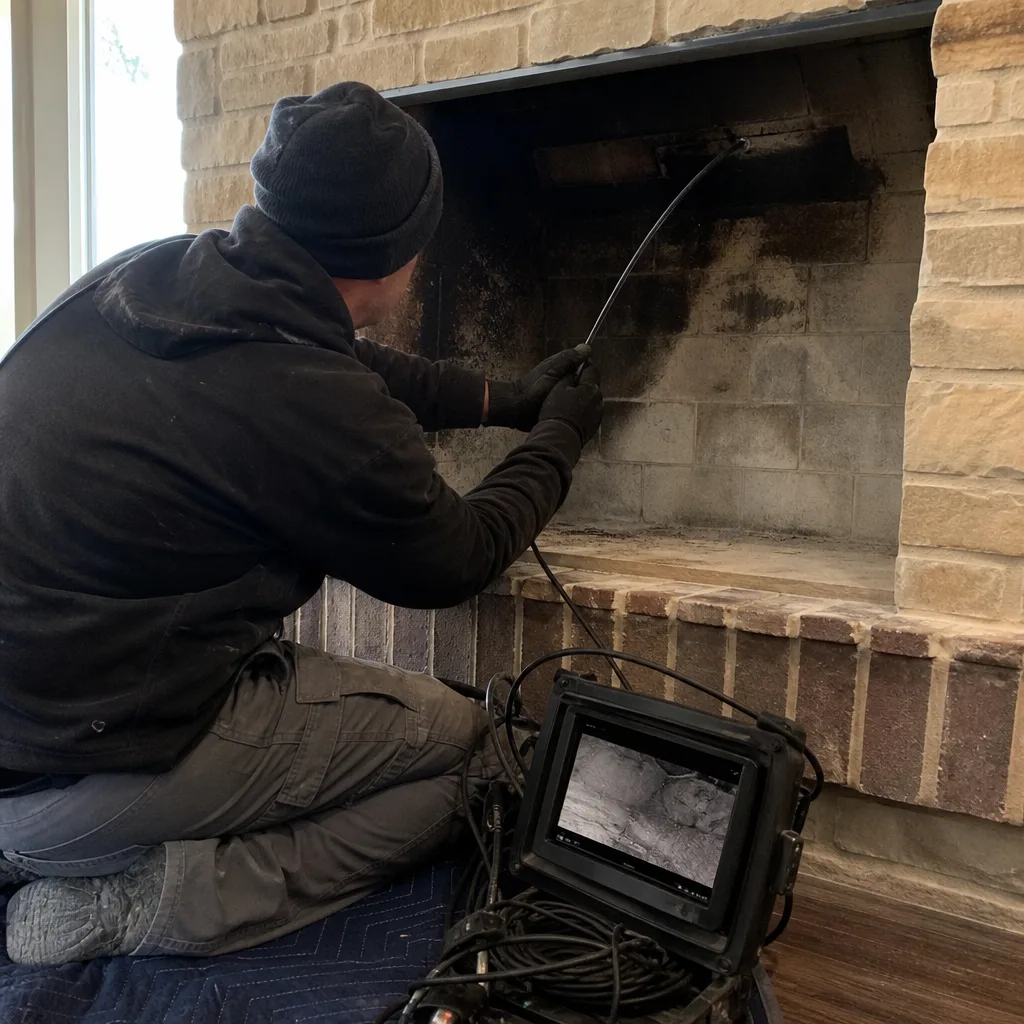
For the delayed or intermittent patterns, the fix is usually a thorough sweep combined with a camera inspection to confirm flue integrity. At Chimney Cleaning & Sweep in Arlington Heights, we document the flue condition with photo evidence before and after cleaning - Haven Standard Clause 4 requires this record on every job.
Draft Reversal and Slow Draw: Reading Pressure Problems
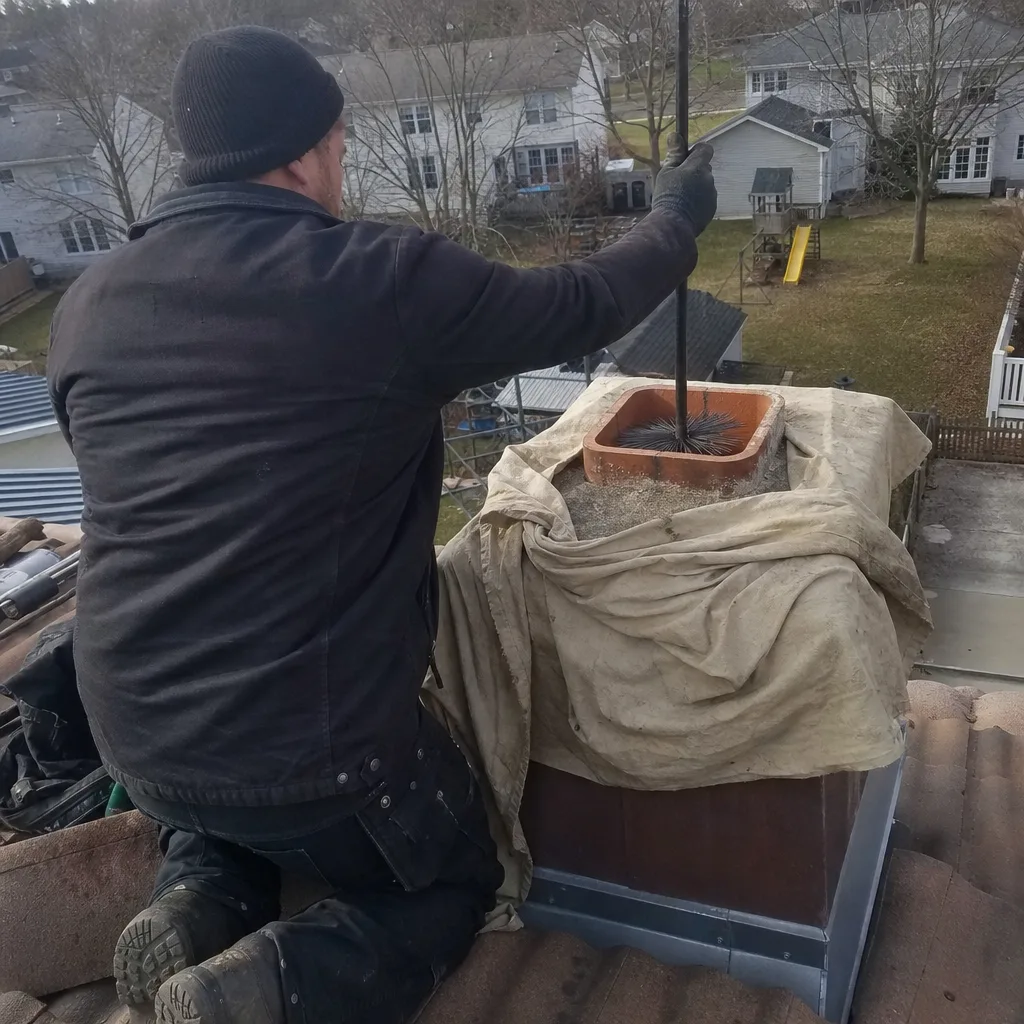
A healthy chimney pulls air upward at 15-25 feet per minute under normal conditions. When that pull weakens, homeowners notice it first as a fireplace that’s “hard to get going” or needs the door cracked open to establish draw. This isn’t a quirk of your house. It’s a measurable pressure failure with specific causes.
Chimney draft depends on three variables: temperature difference between flue air and outdoor air, flue height, and air pressure balance in the house. Arlington Heights’ heating season, which runs reliably from late October through April, creates ideal draft conditions when systems are clean. But several local factors work against you:
- Tightly sealed modern construction: Homes built or heavily renovated after 2010 often have spray-foam insulation, high-efficiency windows, and continuous exhaust fans (bath, range hood, dryer). These create negative pressure that competes with the chimney. We’ve measured house depressurization of -8 to -12 Pascals in Arlington Heights homes with multiple exhaust appliances running - enough to neutralize a marginal chimney.
- Basement-installed HVAC upgrades: When homeowners add high-efficiency furnaces with sealed combustion, the old chimney may lose its warming effect. A formerly warm flue that ran alongside the now-removed atmospheric furnace becomes a cold column that fights draft establishment.
- Chimney height relative to roofline: Arlington Heights’ 2003 building code amendments adopted the IRC requirement that chimneys extend at least 3 feet above the roof penetration and 2 feet above any part of the roof within 10 feet. Older homes in neighborhoods like Scarsdale and Greenbrier often have chimneys that met earlier, lower standards and now struggle with draft in modern pressure conditions.
The diagnostic test homeowners can perform: on a cold day, hold a lit stick of incense or a thin strip of toilet paper near the damper with the fireplace cold and no fire. It should draw gently upward. If it pushes outward or hangs motionless, you have a pressure problem that needs professional assessment.
Sometimes the fix is as simple as a top-sealing damper that seals the flue when not in use, preserving the warm air column. Sometimes it’s a chimney extension or a draft-inducing cap. Sometimes it’s identifying that your dryer vent and range hood are creating competing suction. We always measure house pressure as part of our Level Two Chimney Arlington Heights home inspection - it’s the only way to distinguish a cleaning problem from a system design problem.
Odor Timing: What Chimney Smells Mean by Season
Chimney odor is the most misunderstood warning sign. Homeowners call us in July complaining of a “musty” or “smoky” smell and assume water intrusion. Often it’s creosote doing exactly what creosote does when humidity rises.
Creosote is hygroscopic - it absorbs moisture from the air. In Arlington Heights, July and August average 70-75% relative humidity. A flue with even moderate creosote buildup becomes a humidifier with a distinct chemical signature: sharp, tar-like, sometimes acrid. The smell intensifies during weather changes, when barometric pressure drops and air moves through the house seeking equilibrium.
Here’s how to read odor timing as diagnostic information:
| Odor Character | Timing | Likely Cause | Urgency |
|---|---|---|---|
| Sharp, chemical, tar-like | Humid weather, summer months | Class II or III creosote absorbing moisture | Schedule cleaning before next burn season |
| Musty, earthy, damp cardboard | After rain, year-round | Water intrusion through crown or flashing | Inspect for crown/flashing failure; may need repair beyond cleaning |
| Sour, ammonia-like | Spring, sudden onset | Animal nesting (squirrel, raccoon, bird) | Do not use; inspect immediately; nesting material is a fire and CO hazard |
| Smoke smell in upper floors | After fireplace use, or persistent | Smoke spillage into wall chase or framing | Inspect immediately; potential pyrolysis risk to surrounding structure |
The Arlington Heights-specific factor is our freeze-thaw cycle. Water that enters through a cracked crown in October freezes by November, expands, and opens the crack wider. By March, a minor crown fissure can become spalling brick and deteriorated mortar. If your summer odor is accompanied by white staining on the exterior (see next section), you have both a cleaning need and a water intrusion problem.
We document odor sources with camera inspection - sometimes the creosote is visible 20 feet up, sometimes there’s a hidden blockage or liner gap that only shows on screen. Every inspection includes a photo record; Haven Standard Clause 4 requires it, and it’s how we prove to you (and to your insurer, if needed) exactly what we found.
Visible Soot and Creosote at the Damper
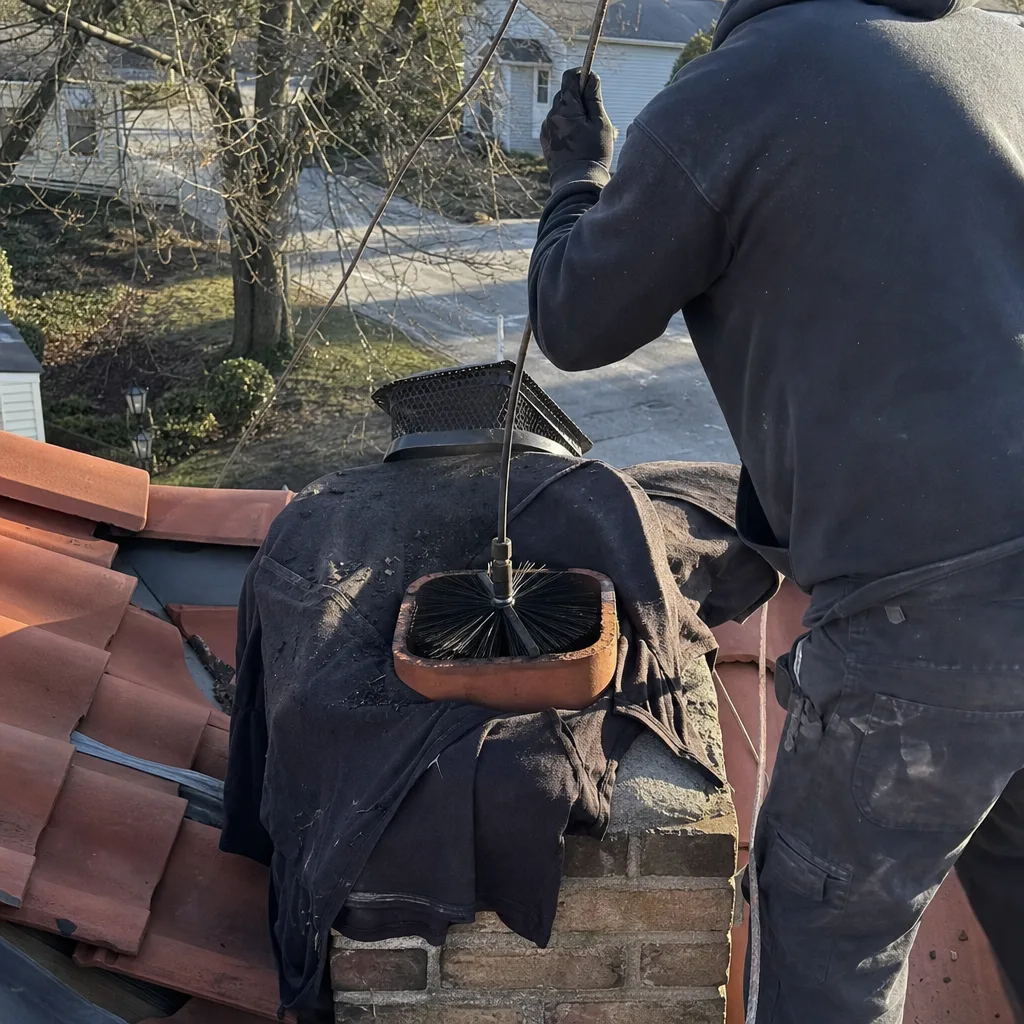
The damper is the metal plate that opens and closes the flue throat. It’s also the only part of your chimney system most homeowners ever see. Learning to read what shows there can tell you a great deal about flue condition above.
With the damper fully open and a flashlight aimed upward from the firebox, you can observe the flue liner’s first few feet. What you’re looking for:
- Thin, dusty black coating: Normal soot from recent fires. Brushes off easily. Indicates recent use and probably adequate maintenance.
- Shiny, black, tar-like glaze: Class II creosote. Sticky, hardens when cool. Indicates smoldering fires, wet wood, or restricted airflow. Requires mechanical removal - rotary chains or chemical treatment - not just brushing.
- Thick, crusty, popcorn-textured buildup: Class III creosote, also called “glazed” or “3rd degree.” Extremely combustible. Ignites at lower temperatures and burns with explosive intensity. This is the material responsible for most chimney fires. Requires professional removal; do not attempt DIY.
- Fluffy, light, easily brushed material: Fresh soot from a hot, fast fire. Not immediately dangerous, but indicates the flue hasn’t been swept recently.
Arlington Heights homeowners with older homes - particularly pre-1970 construction in the Rand and Central Road corridors - should pay special attention to a less common finding: orange or rust-colored staining at the damper. This indicates moisture reacting with metal components, often from a liner that’s failed and is allowing condensation to reach the damper hardware. It’s a warning that the problem is structural, not just a cleaning need.
We never recommend work based on what we think we saw. Our Chimney Repair in Arlington Heights assessments include a full camera scan of the flue, smoke chamber, and firebox, with timestamped photos. If we find Class III creosote, we show you the footage. If we find liner damage, we measure it and explain your options - from a stainless steel liner from Olympia Chimney to a HeatShield cerfractory flue seal, depending on the damage pattern and your system type.
White Staining on Exterior Brick: Efflorescence Explained
White, powdery staining on exterior chimney brick looks like salt crystallization because that’s exactly what it is. Water enters the masonry, dissolves soluble salts in the mortar and brick, then evaporates at the surface leaving the salt residue behind.
In Arlington Heights, efflorescence is seasonally predictable. It appears most prominently in late winter and early spring, when freeze-thaw cycles have driven water deep into the masonry and warming temperatures accelerate evaporation. We’ve documented heavy efflorescence on chimneys in the Scarsdale and Hasbrook areas where 1960s brick construction meets modern, more airtight building envelopes - the pressure differential literally pulls moisture through the masonry faster.
Efflorescence itself is not structurally dangerous, but it signals conditions that become dangerous: saturated brick, deteriorated mortar joints, and eventually spalling (flaking) brick faces. More critically for chimney function, water-saturated masonry cools the flue gases, reducing draft and accelerating creosote condensation. A wet chimney is a dirty chimney, even with normal use.
The diagnostic progression we look for:
- Light, patchy efflorescence: Early-stage water intrusion. Crown may have hairline cracks. Flashing may be separating. Clean and inspect; crown sealing may resolve.
- Heavy, recurring efflorescence with spalling: Advanced saturation. Mortar joints are failing. Tuckpointing and likely crown rebuild needed. Camera inspection essential to check for liner damage from moisture exposure.
- Efflorescence with green or black biological growth: Chronic moisture with organic material accumulation. Often indicates blocked or missing cap, or failed crown with debris accumulation. Full inspection and likely cap/crown replacement.
Materials matter for longevity in our climate. We source crown repair materials through Copperfield and Famco - specifically formulated for freeze-thaw resistance in northern Illinois conditions. A properly sealed crown with appropriate overhang and drip edge prevents the water entry that drives both efflorescence and accelerated creosote buildup.
Gas Inserts and Prefab Firewalls: Different Warning Signs
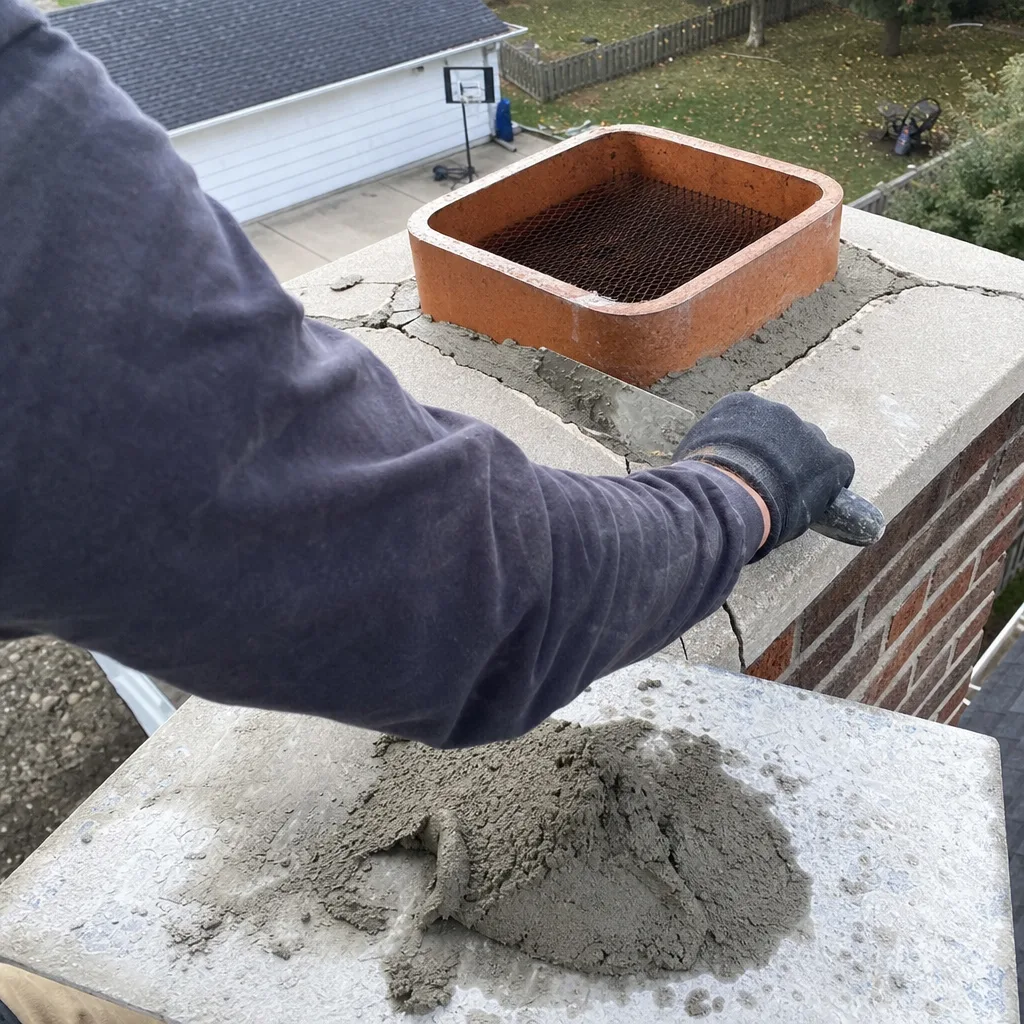
Most chimney warning sign guides assume a masonry wood-burning fireplace. That’s a significant gap. In Arlington Heights, particularly in townhome developments built 1985-2005 and in condo conversions, prefabricated metal fireplaces and gas inserts outnumber traditional masonry systems. Their warning signs are different, and missing them has different consequences.
Prefabricated Metal Fireplaces
These factory-built systems have UL-listed clearances to combustibles and specific venting requirements. Warning signs of cleaning or maintenance need:
- Rust staining on the firebox walls or damper: Indicates water intrusion through the chase cover (the metal “roof” over the chimney chase). In prefab systems, the chase cover is often galvanized steel with a limited lifespan. Rust here damages the firebox and can compromise clearances.
- Debris falling into the firebox: Usually from a deteriorated chase cover or missing termination cap. Birds and squirrels nest in these systems readily; the nesting material is a fire hazard.
- Smoke or combustion odor when not in use: In prefab systems, this often indicates a disconnected or deteriorated chimney pipe within the chase - not accessible without removing chase panels.
- Discoloration or warping of surrounding wall material: Critical warning of overheating due to compromised clearances. Do not use; inspect immediately.
Gas Inserts and Direct-Vent Fireplaces
Gas systems burn cleaner than wood, but they still require maintenance. Their warning signs:
- Soot on glass or burner: Indicates incomplete combustion. Possible causes: dirty burner ports, improper gas pressure, or degraded ember material interfering with flame pattern. Not normal; requires service.
- Moisture on interior glass: Normal during initial startup in cold weather, but persistent moisture indicates venting problems - possibly a blocked termination, improper vent slope, or negative pressure in the home competing with the direct vent.
- Delayed ignition or “boom” on startup: Gas is accumulating before igniting. Dirty pilot, failing igniter, or burner obstruction. Safety hazard; service before next use.
- Carbon monoxide detector activation: Any CO alarm with a gas fireplace requires immediate shutdown and professional inspection. Do not assume detector malfunction.
Gas insert venting often uses co-linear liners or direct-vent pipe that runs inside the existing chimney. These systems are not accessible for visual inspection without disassembly. Our Fireplace Services in Arlington Heights include full gas system inspection with combustion analysis - we measure CO production, gas pressure, and draft to confirm safe operation, not just apparent function.
When Warning Signs Indicate Damage Beyond Cleaning
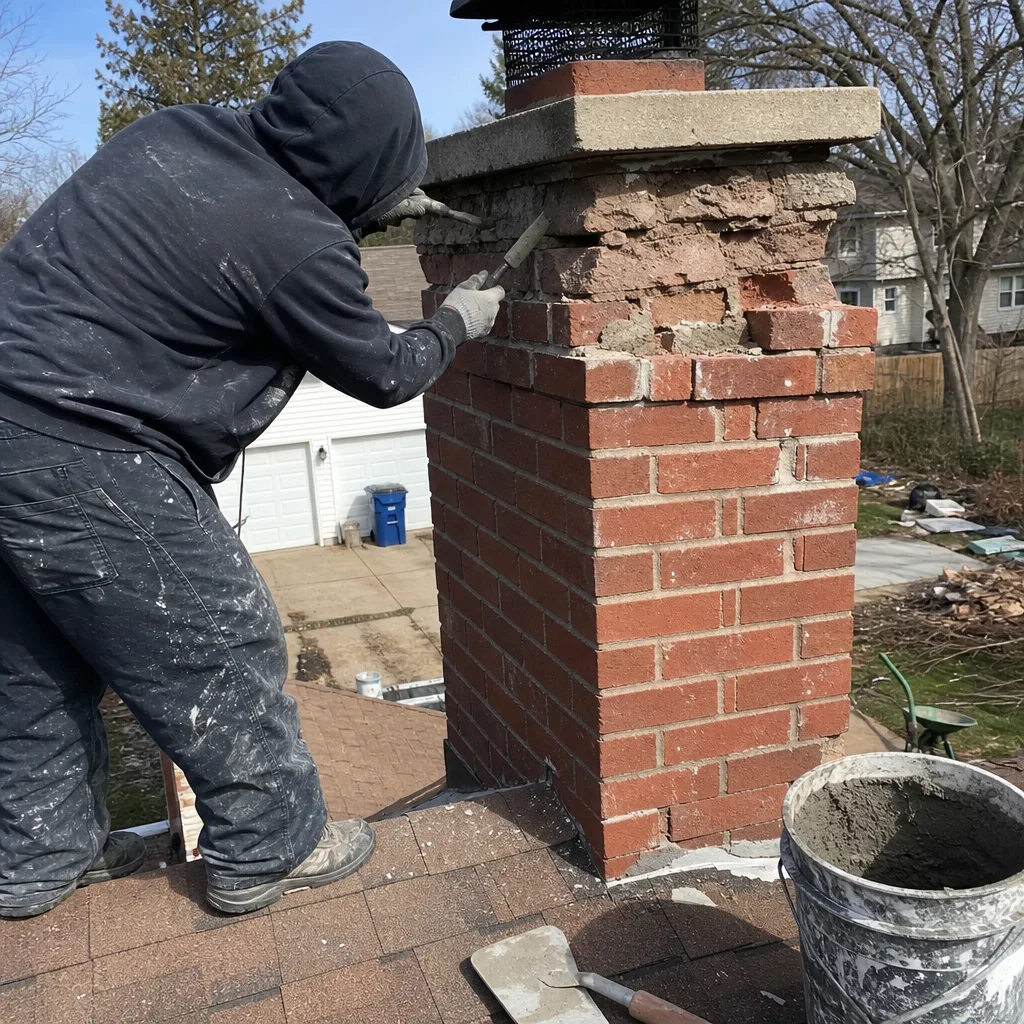
Some symptoms that look like “needs a sweep” are actually signals of structural damage that cleaning alone won’t fix. The critical skill is knowing which warning signs change the service from a routine sweep to a full NFPA 211 Level 2 inspection.
Here are the transitions we watch for:
| Warning Sign | What It Suggests | Required Response |
|---|---|---|
| Smoke rollout + pieces of tile in firebox | Shattered flue liner, possibly from chimney fire or freeze damage | Level 2 inspection; liner replacement likely; do not use |
| Sudden draft loss after weather event | Crown failure, cap displacement, or chimney movement/settling | Exterior inspection + Level 2; possible crown rebuild or structural repair |
| Odor + visible water in firebox | Failed crown, flashing, or chase cover; possible liner corrosion | Water source identification + liner evaluation; repair before cleaning |
| White staining + mortar falling from joints | Advanced masonry saturation; freeze-thaw damage to structure | Tuckpointing, possible partial rebuild; cleaning secondary |
| Gas insert sooting + CO detector history | Combustion or venting failure; possible liner breach in co-linear system | Gas system inspection + chimney camera; do not use until cleared |
The Arlington Heights building department requires permits for chimney rebuilds and liner replacements, with inspections at rough-in and final. We handle permit coordination as part of our repair scope - the paperwork is documented in your job record, same as the photo evidence and written warranty.
Our Free Second Opinion applies here specifically: if another company has recommended a liner replacement or rebuild, bring us their written estimate. We’ll camera-inspect and give you our assessment with photo documentation. Sometimes the recommended work is necessary. Sometimes it’s based on a flashlight look that missed accessible, less invasive solutions. Clause 1 of the Haven Standard - “Have it in writing” - applies to competitor quotes too.
The Urgency Threshold: Clean Before Use vs. Do Not Use
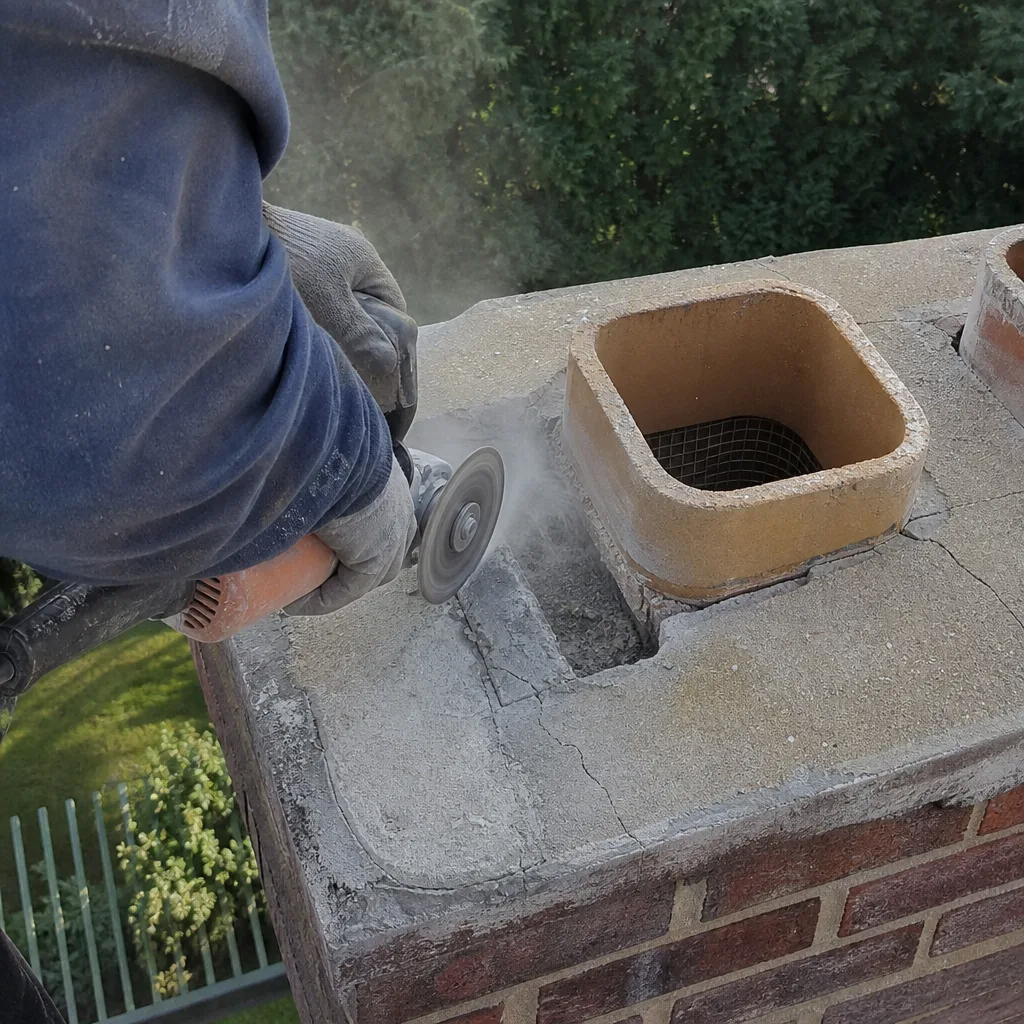
This distinction saves lives, and most generic guides blur it. Here’s the clear threshold we apply:
Schedule Cleaning Before Next Use
- Gradual increase in smoke smell during humid weather
- Slower draw than previous seasons, but fire still establishes
- Visible soot at damper, no glaze or heavy buildup
- Minor efflorescence without spalling
- Annual maintenance overdue by one season
These conditions indicate maintenance need, not immediate hazard. Schedule within the next 2-4 weeks, before your next fire. In Arlington Heights, our pre-burning season rush starts in mid-September; booking in August or early September avoids the wait.
Do Not Use Until Inspected
- Any smoke rollout that occurs immediately on ignition
- Carbon monoxide detector activation associated with fireplace use
- Pieces of flue tile, brick, or mortar in the firebox
- Sudden complete loss of draft after weather event or apparent “bang”
- Visible flame or glowing material in the chimney structure
- Discoloration or heat damage to surrounding walls, mantel, or framing
- Animal sounds or visible nesting material in flue
These conditions indicate potential active hazard. Extinguish any fire, do not relight, and call for inspection. Our live phone support runs 24 hours - you’ll speak to a person, not a voicemail system, and we can advise on immediate safety steps while scheduling urgent inspection.
The 365-Day Done Right Promise covers every service we perform. If we clean your chimney and you experience any of the “do not use” symptoms within a year, we return at no charge to determine whether the cleaning addressed the right problem or whether underlying damage was missed. It’s rare, but it happens - usually when a homeowner describes “just needs a sweep” and we discover during service that the real issue is liner damage. We’d rather find it, document it, and fix it right than have you discover it the hard way.
Common Mistakes to Avoid
- Assuming gas fireplaces don’t need inspection. Direct-vent and vent-free gas systems require annual service for burner cleaning, combustion analysis, and vent integrity. The “cleaner burn” doesn’t eliminate maintenance need.
- Using chimney cleaning logs as a substitute for mechanical sweeping. These products may reduce light soot but cannot remove Class II or III creosote and provide no inspection of flue condition. They’re a supplement, not a replacement.
- Ignoring summer odors because “we’re not using it anyway.” Summer humidity accelerates creosote degradation and reveals water intrusion. Addressing it in July prevents September surprises and often allows more flexible scheduling.
- Hiring based on lowest price without verifying what’s included. In Arlington Heights, we’ve seen “sweep” quotes that exclude the firebox, exclude the damper, exclude camera inspection, or exclude debris removal. Our written scope specifies every component inspected and cleaned; Haven Standard Clause 1 requires this clarity.
- Attempting DIY flue access without proper equipment. Class III creosote removal requires rotary chains, specialized vacuums with HEPA filtration, and knowledge of flue construction. The injury risk from falling, from creosote exposure, or from disturbing a damaged liner is significant.
- Waiting for visible exterior damage before acting. By the time spalling brick or leaning chimney is obvious, the underlying damage is extensive. Interior warning signs precede exterior evidence by months or years.
When to Call a Professional
Call when you observe any of the five warning signs described in this guide, when your annual maintenance is overdue, or when you’re buying or selling a home in Arlington Heights and need documented chimney condition for the transaction. For help choosing a qualified company, read How to Hire a Chimney Cleaning Contractor in Arlington Heights. We’re particularly valuable when you’ve received a repair recommendation from another company and want photo-verified confirmation - our Free Second Opinion includes full camera inspection with no obligation.
Level Two Chimney Arlington Heights offers free estimates in Arlington Heights - call (331) 202-2419. Every estimate includes a written price, written scope, and written warranty before any work begins. You’ll speak to a live person, 24 hours a day, and receive a text when your assigned, background-checked technician is en route.
Frequently Asked Questions
A standard chimney cleaning and NFPA 211 Level 2 inspection in Arlington Heights typically ranges from $249-$389 for a masonry wood-burning fireplace, depending on creosote buildup severity, accessibility, and whether animal removal or debris clearing is needed. Gas fireplace service runs $189-$279. We deliver a written price before any work starts - no exceptions. Call (331) 202-2419 for an exact quote; estimates are free.
The NFPA 211 standard requires annual inspection for all chimney systems, with cleaning frequency determined by use and fuel type. Most Arlington Heights homeowners burning wood 2-3 times weekly during heating season need annual cleaning. Occasional users may extend to every 2-3 years if inspection shows minimal buildup. Gas systems require annual service for burner and vent inspection, though cleaning need is typically less frequent. The specific schedule for your system is determined by camera inspection, not calendar assumption.
You need a new liner when inspection reveals cracks, gaps, spalling, or deterioration that compromises the liner’s ability to contain combustion gases and protect surrounding structure. We don’t recommend liner replacement without camera evidence you can see yourself - Haven Standard Clause 4 requires this documentation. If another company has recommended liner replacement, bring us their written estimate for a Free Second Opinion with full photo record.
Skipped cleaning allows creosote accumulation, which progressively narrows the flue, reduces draft efficiency, and increases chimney fire risk. Class III creosote ignites at approximately 451°F - a temperature easily reached in normal fireplace operation. Beyond fire risk, accumulated creosote combined with moisture produces acidic compounds that corrode metal liners and deteriorate mortar in masonry systems. The cost of deferred maintenance is always higher than preventive care; we’ve documented $8,000-$15,000 rebuilds that began as neglected $300 sweeps.
Summer humidity activates creosote’s hygroscopic properties, releasing absorbed moisture along with volatile organic compounds that produce the sharp, tar-like odor. In winter, the flue’s active draft pulls these compounds upward and outward. In summer, with the damper closed and no thermal draft, odors migrate into conditioned space through pressure differentials. The fix is removing the creosote source through professional cleaning, not masking odors with sprays or deodorizers.
You can and should observe the five in-home warning signs this guide describes: smoke behavior, draft patterns, odor timing, damper condition, and exterior staining. These observations are valuable diagnostic information to share with your sweep. However, flue condition assessment requires specialized camera equipment, proper lighting, and training to interpret what appears on screen. We do not recommend homeowners enter the flue or attempt to access areas beyond visual inspection from the firebox opening. The injury risk from falls, from creosote exposure, or from disturbing unstable liner sections is significant.
The Bottom Line
Your chimney communicates through the conditions you experience in your home: how smoke moves, how air pressure feels, what you smell and when. Learning to read these signals as diagnostic information - not as quirks to tolerate - lets you address problems while they’re still cleaning matters, before they become safety hazards or structural repairs. In Arlington Heights’ freeze-thaw climate, with our mix of vintage and modern construction, the specific warning signs and their timing matter. Document what you observe, schedule annual inspection with photo verification, and never hesitate to call when a warning sign crosses from “schedule soon” to “do not use.” For more guides & resources on keeping your chimney safe year-round, visit our blog. The cost of a professional sweep is modest. The cost of missing the warning is not.
Written by Corrine Halstead, Owner at Level Two Chimney Arlington Heights, serving Arlington Heights since 2009.