
Last updated September 22, 2026
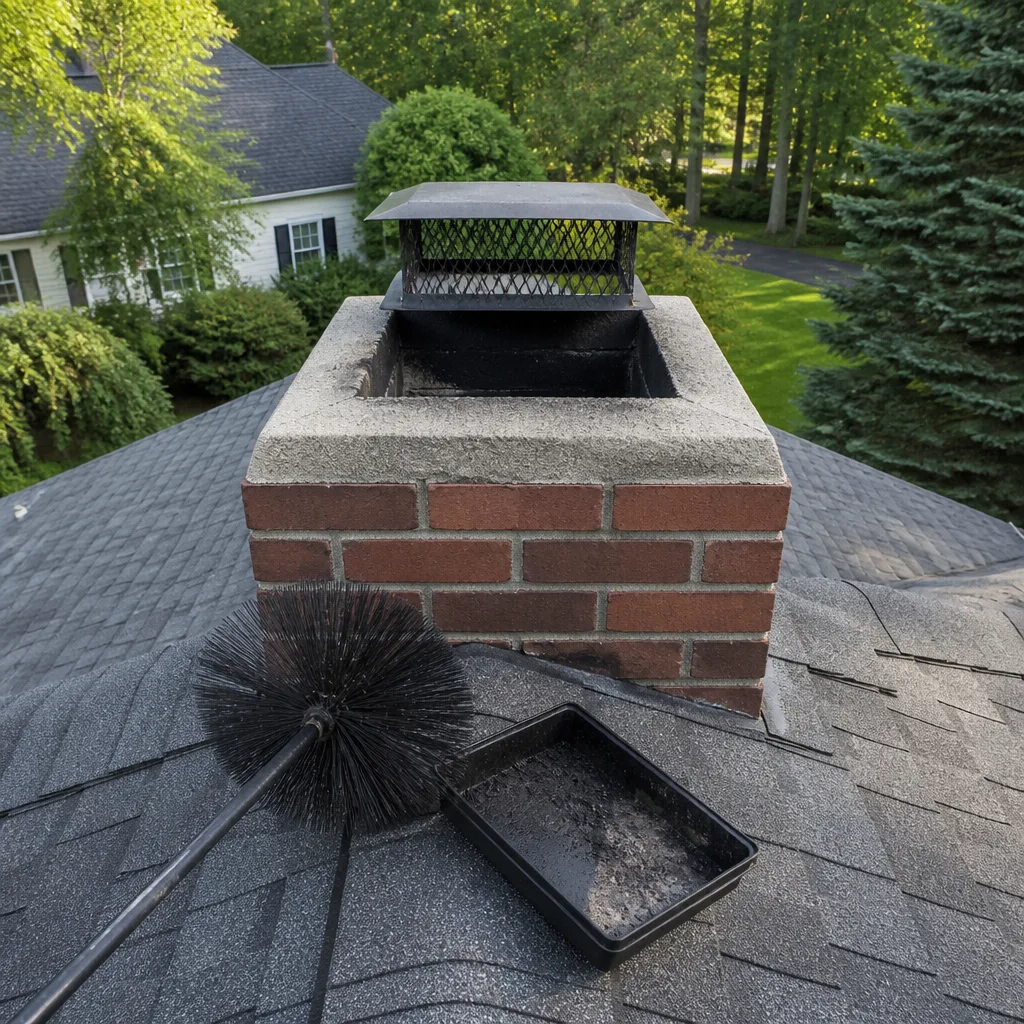
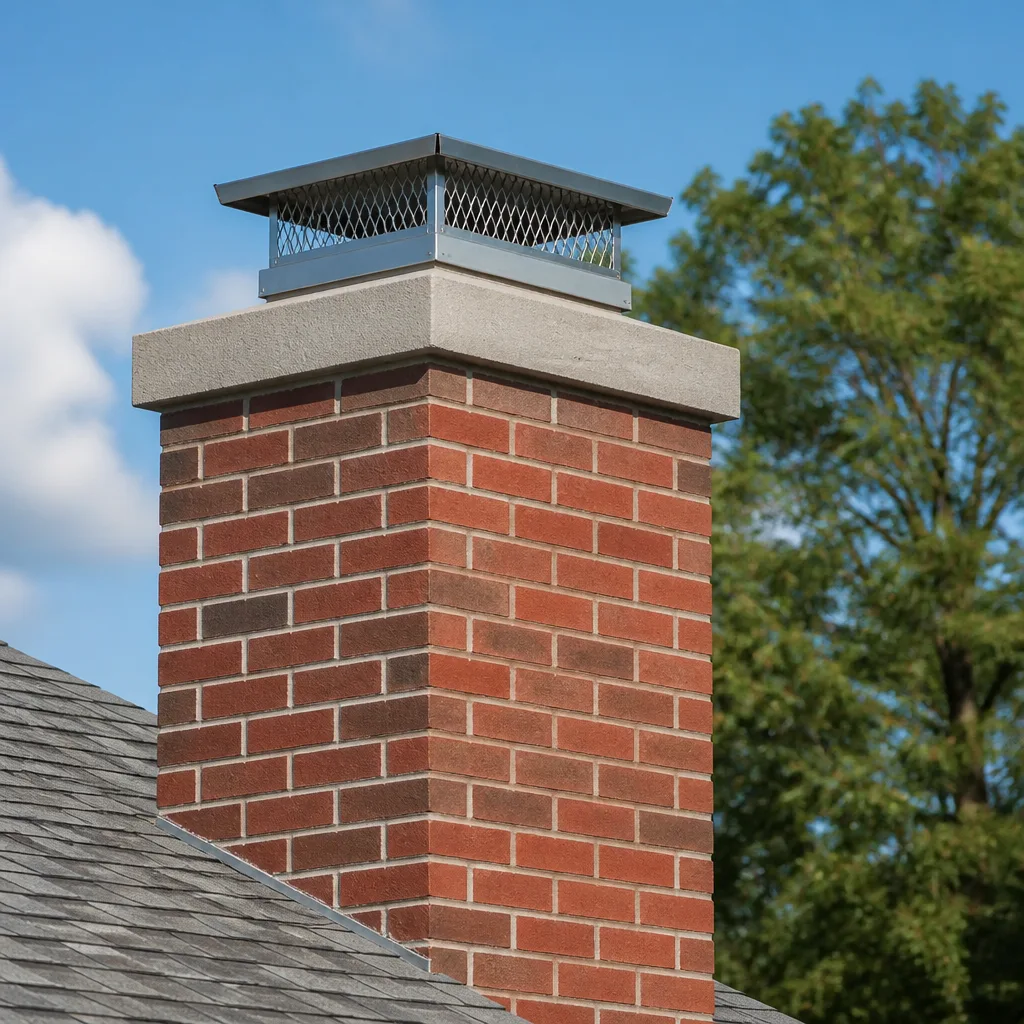
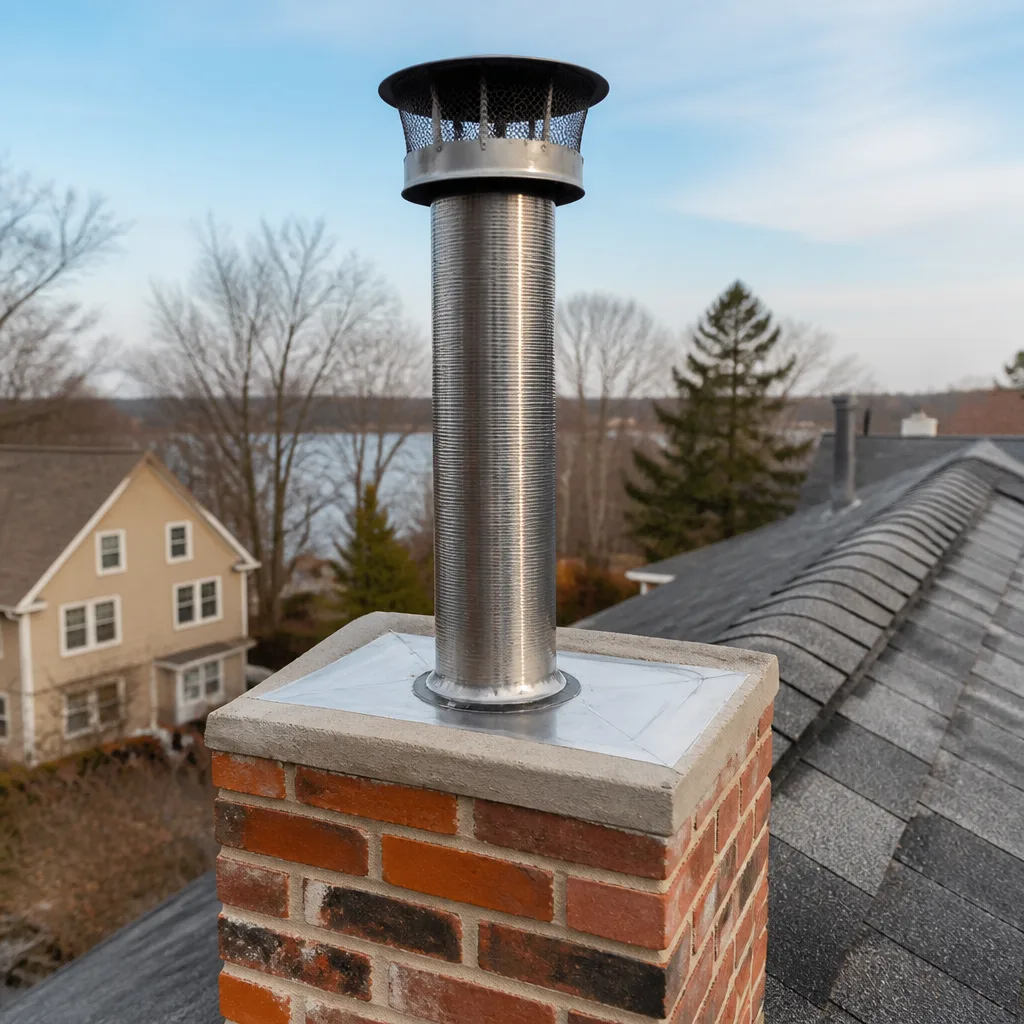
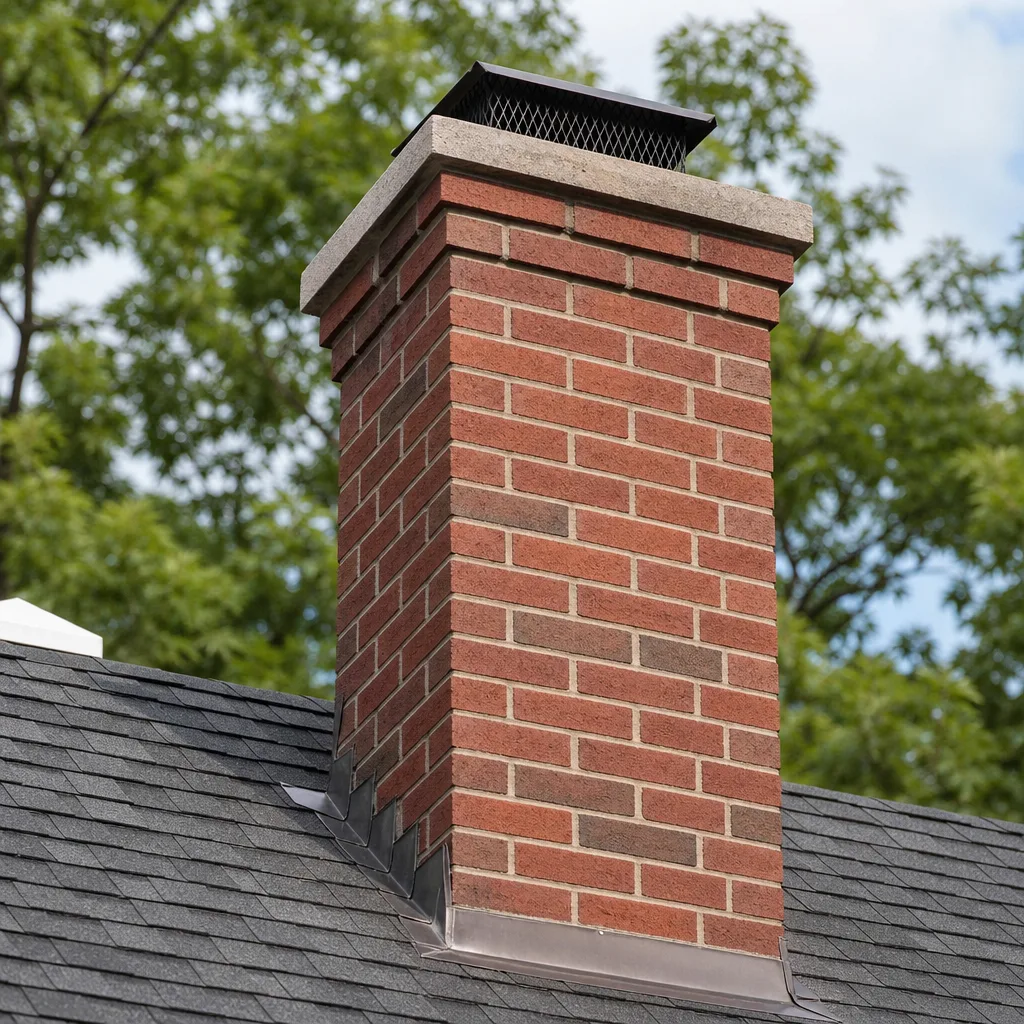
Level 1 sweep and inspection to the NFPA 211 annual standard - flue, crown, cap, and flashing checked and photographed
Chimney sweep logs do not sweep chimneys. They loosen some creosote - which then falls where a brush and vacuum still have to collect it.
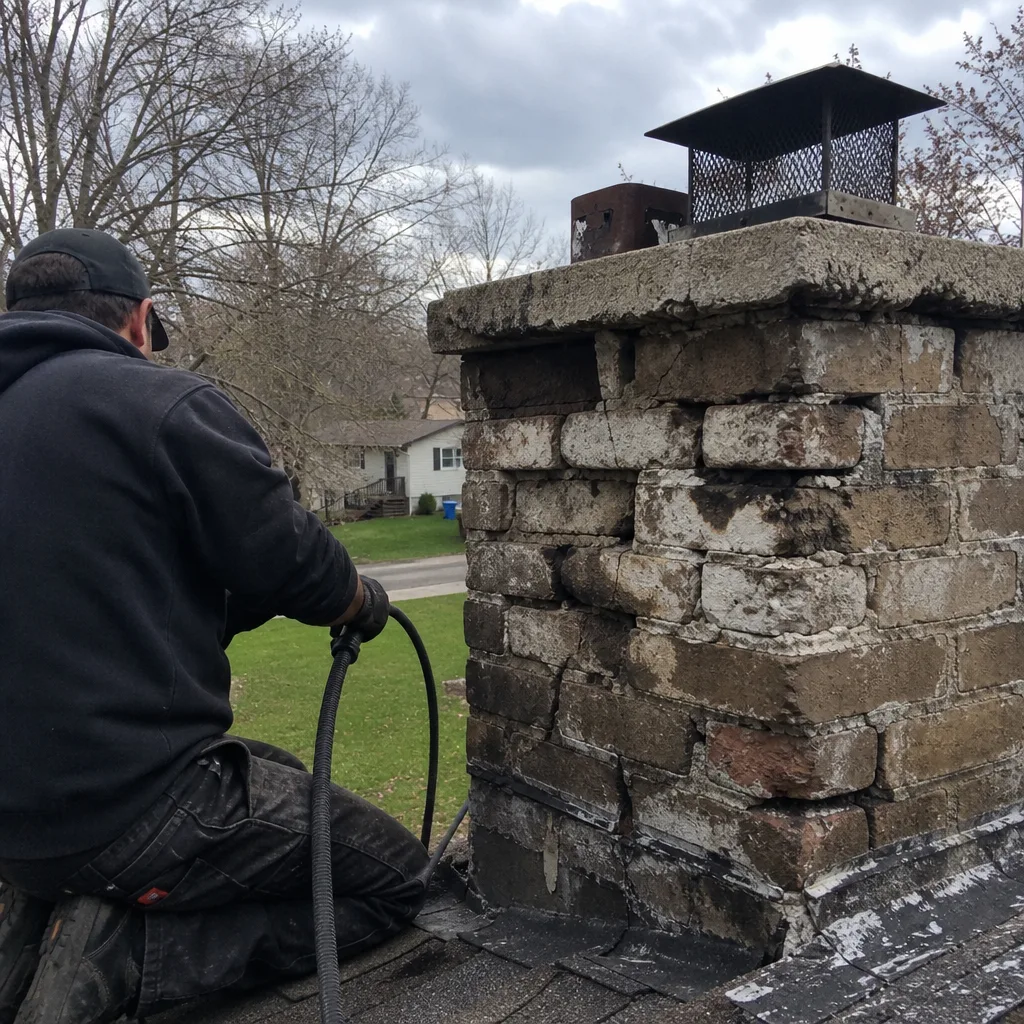 Before
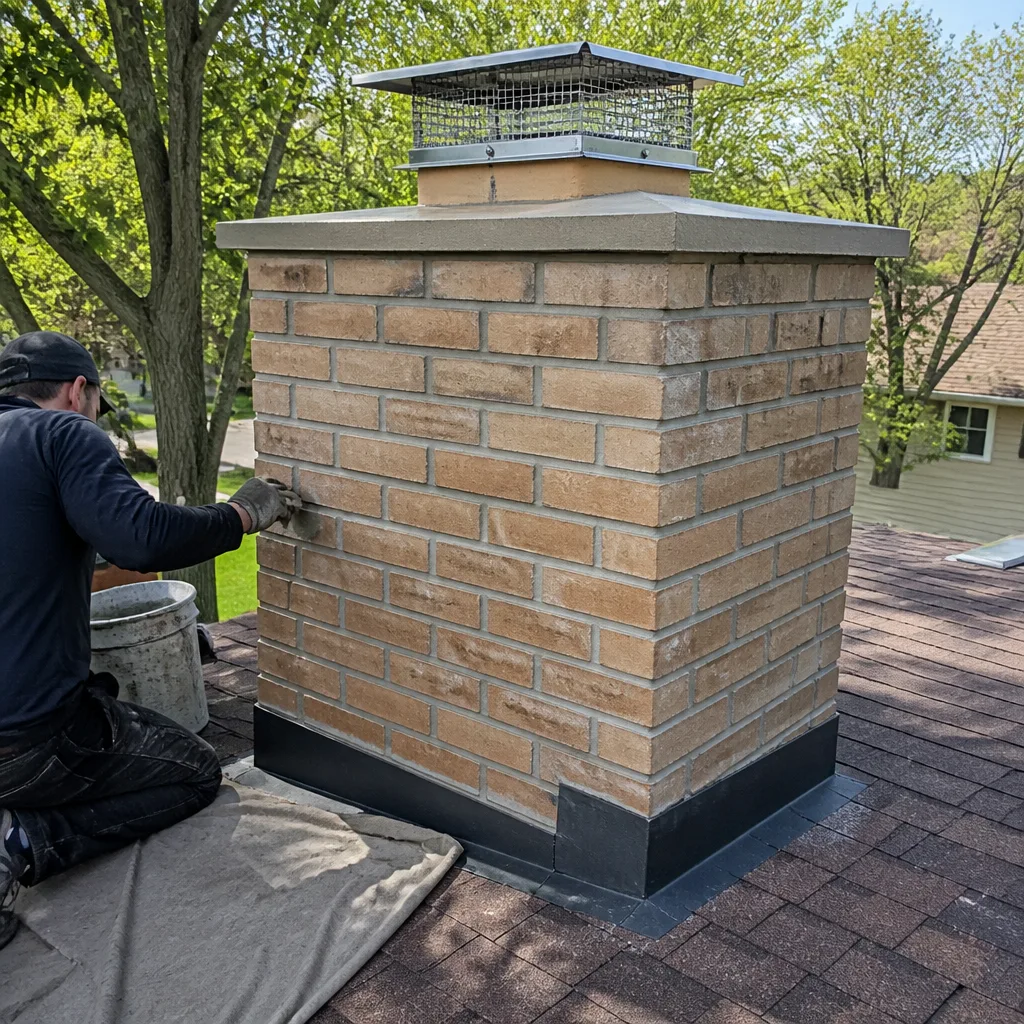 After
After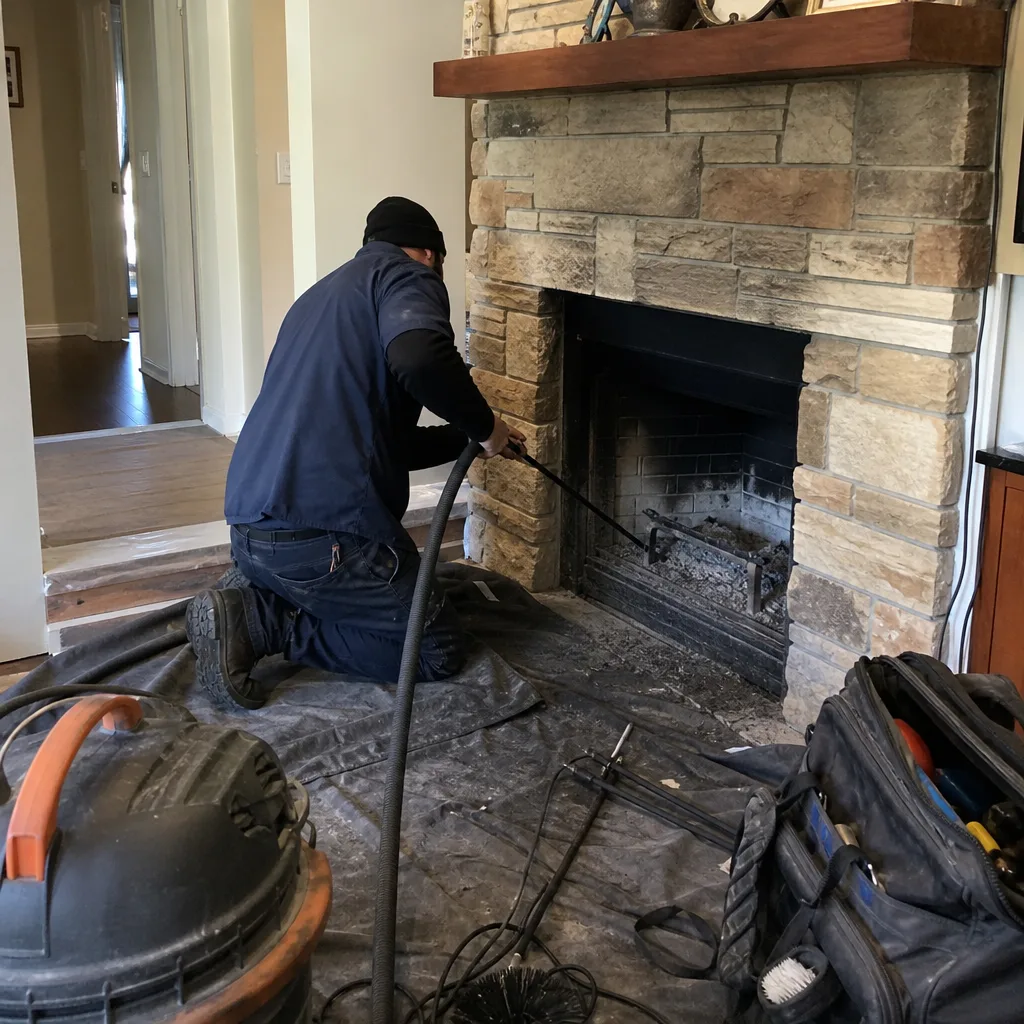 Before
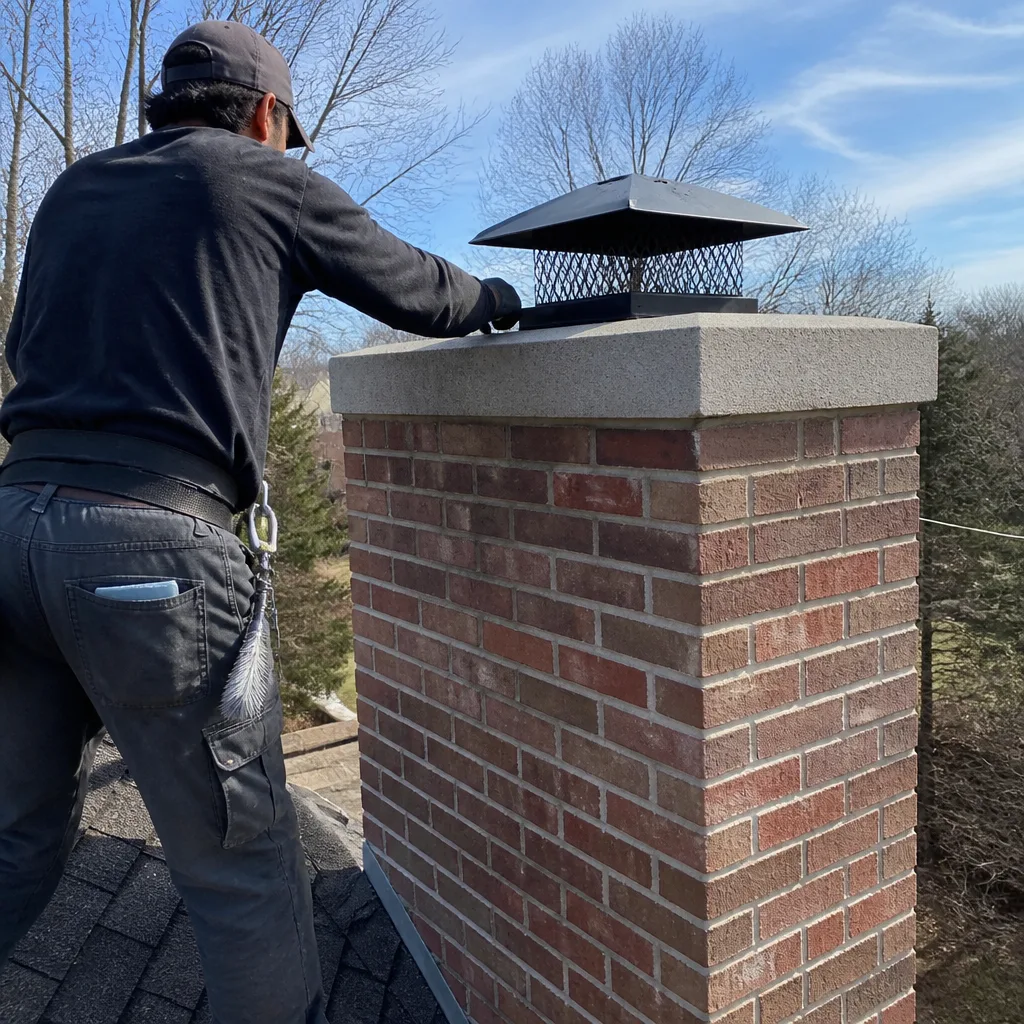 After
After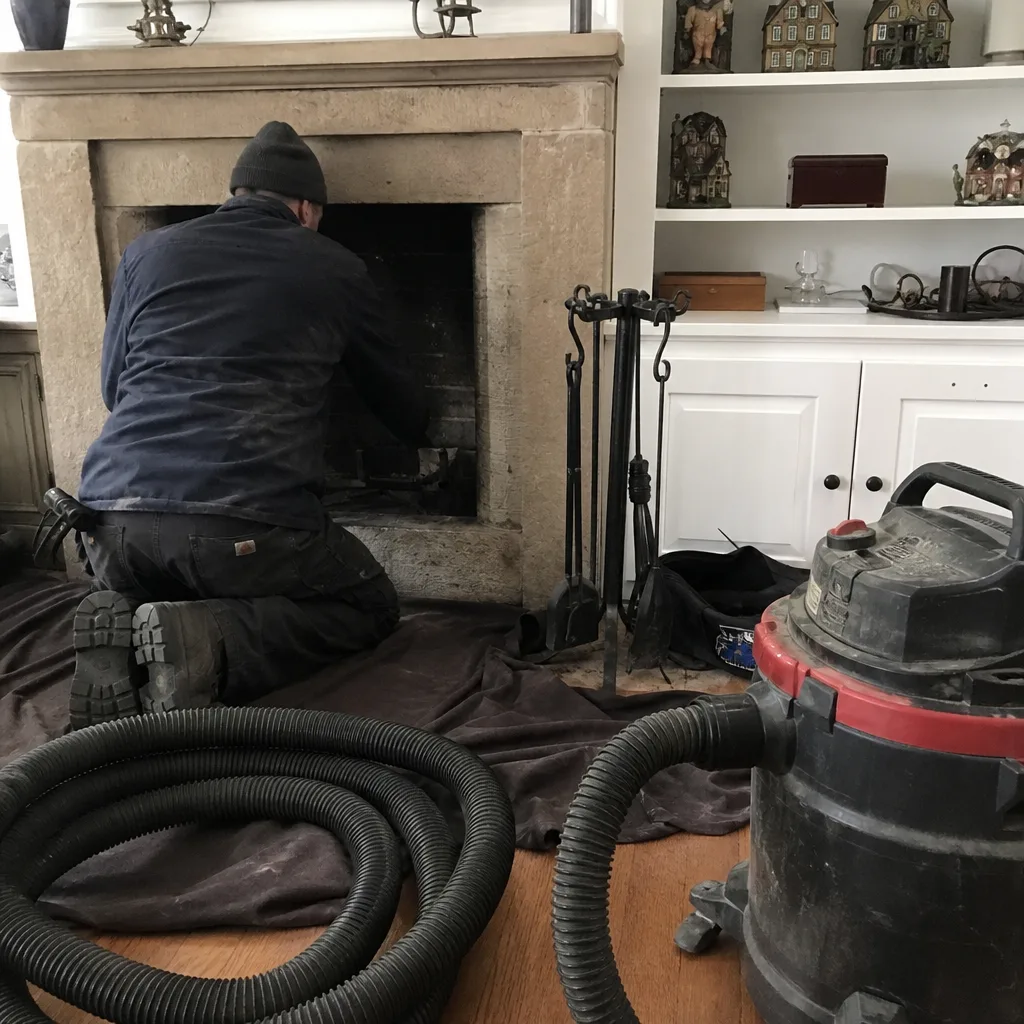 Before
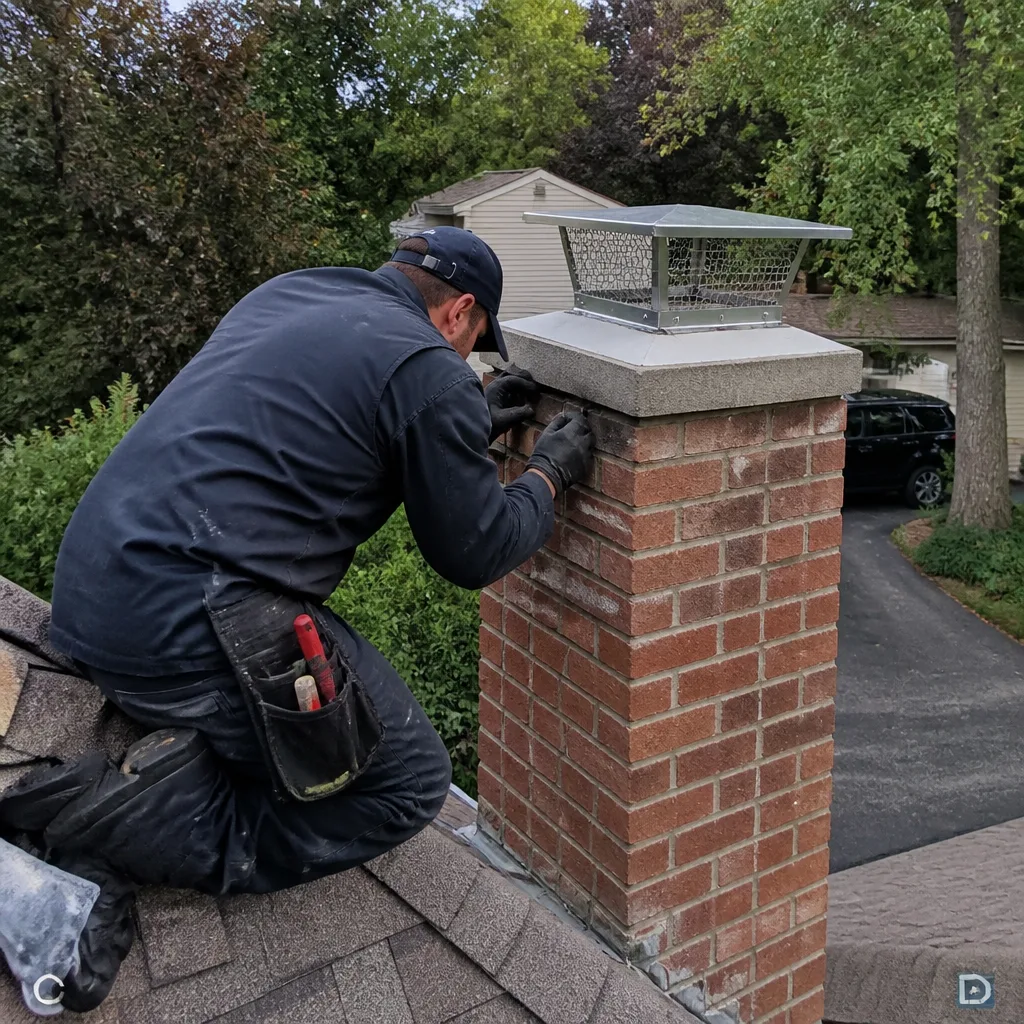 After
AfterChimney Cleaning & Sweep Maintenance Checklist for Arlington Heights Homeowners
Most chimney checklists say “schedule annual cleaning.” That’s a reminder, not a checklist. An actual checklist names the crack width, the draft delay, and the stain color that tell you whether you can wait or need to call today. In Arlington Heights, where heating season runs reliably from October through April and shoulder-season fires in September and May account for a disproportionate share of chimney fires statewide, knowing the difference matters. This guide gives Arlington Heights homeowners a room-by-room, season-by-season reference tied to observable symptoms rather than generic calendar reminders, complementing The Complete Guide to Chimney Cleaning in Arlington Heights with actionable checklists. You’ll learn measurable thresholds for self-checks, which items require a professional with a camera, and what paperwork to keep on file so you’re not scrambling when you sell or file a claim.
Quick Answer
A complete chimney maintenance checklist for Arlington Heights homeowners includes monthly visual checks of the firebox and damper, pre-season and post-season exterior inspections with measurable thresholds (crack width, creosote thickness, efflorescence spread), and an annual NFPA 211 Level 2 inspection with camera documentation. Most Arlington Heights homes need our Chimney Cleaning & Sweep services once per cord of wood burned or annually for gas appliances, with specific attention to freeze-thaw damage from our 4-5 month heating season and the clay-heavy soils that shift chimney foundations.
Table of Contents
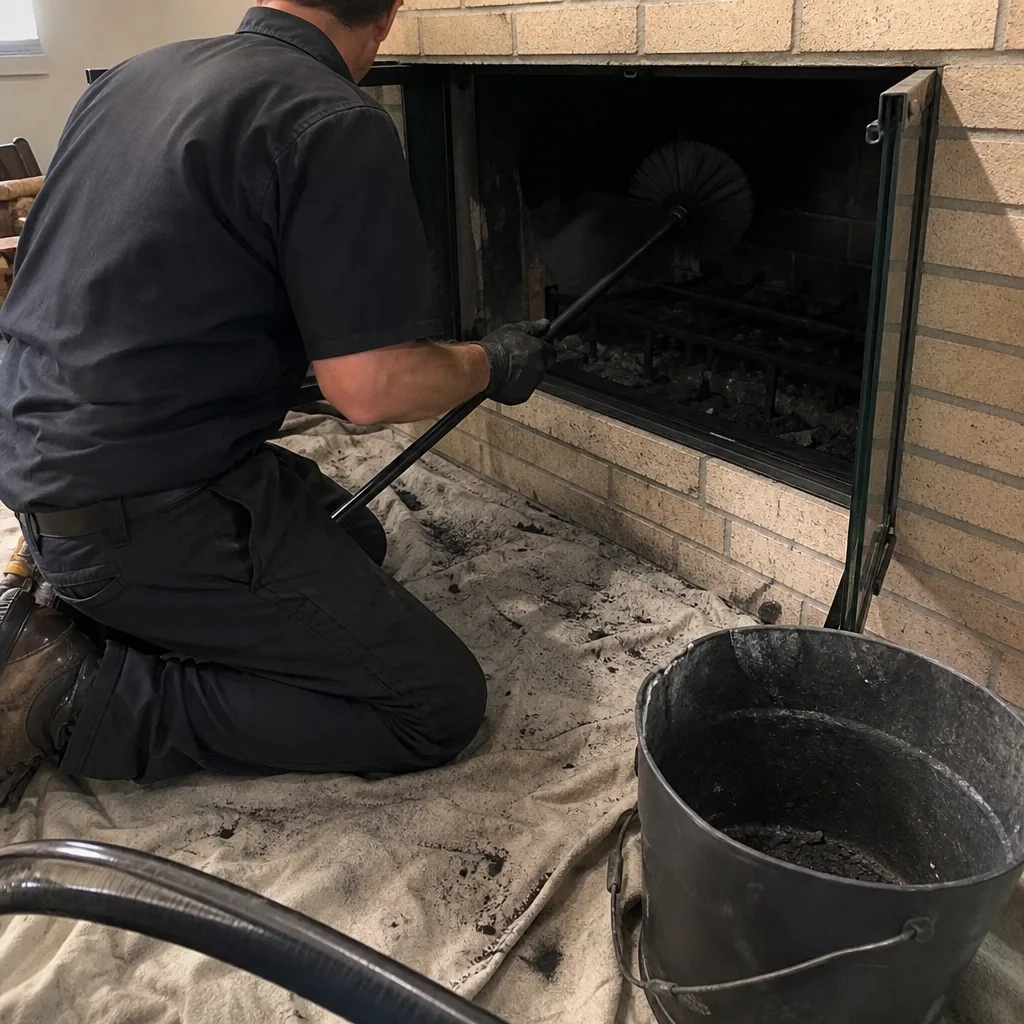
- Monthly Interior Checks You Can Do Yourself
- Pre-Season Checklist: September-October in Arlington Heights
- Post-Season Checklist: March-April After the Burn
- Exterior Inspection: Roofline and Ground Level
- What Requires a Professional With a Camera
- Paperwork to Keep: Why Insurers and Buyers Ask for It
- Three Items Most Arlington Heights Homeowners Skip
- What Chimney Maintenance Costs in Arlington Heights
 Before
 After
AfterMonthly Interior Checks You Can Do Yourself
These checks take ten minutes and require no tools beyond a flashlight and a ruler. Do them monthly during burning season, which in Arlington Heights typically runs October through April.
Firebox and Hearth
Look for cracks in the firebrick. A hairline crack under 1/16 inch that doesn’t reach a mortar joint is usually monitorable. Any crack wider than 1/16 inch, any crack that connects two mortar joints, or any piece of firebrick that moves when you press it with light finger pressure needs professional evaluation. Spalling, where the brick face flakes off in curved pieces, indicates moisture penetration and worsens rapidly through Arlington Heights freeze-thaw cycles.
Check the hearth extension for staining or warping. The hearth must extend at least 16 inches in front of the opening and 8 inches to each side for fireplaces under 6 square feet, or 20 inches by 12 inches for larger openings. If your hearth doesn’t meet these dimensions, it’s a code deficiency, not just an aesthetic issue.
Damper Operation and Creosote Buildup
Open and close the damper fully. It should move smoothly without grinding or catching. Note the delay: if smoke takes more than 30 seconds to clear from a cold flue after you light a match and blow it out near the throat, you have draft issues.
With the damper open and flashlight aimed up the flue, look for creosote deposits. Stage 1 creosote is flaky and sooty, like black dust. Stage 2 is shiny, hard, and black, resembling tar. Stage 3 is glazed, puffy, and often honey-colored or dark brown. You can estimate thickness by comparing it to the damper blade width, typically 1/8 to 3/16 inch. If creosote buildup exceeds 1/8 inch, schedule sweeping before your next fire. Arlington Heights homes burning unseasoned wood or operating damped-down for long burns often reach this threshold in 60-80 fires, roughly half a cord.
Smoke Chamber and Throat
The smoke chamber is the area above the damper and below the flue liner. You can see its sloped walls with a flashlight. Look for exposed brick, missing mortar, or a surface that resembles popcorn rather than smooth parging. Corbelled steps, where each course of brick steps inward, should be smooth-coated for proper draft. Rough surfaces here collect creosote and create turbulence that pushes smoke back into the room.
Monthly Checklist Summary
- Measure any firebox crack; note if it exceeds 1/16 inch or connects mortar joints
- Operate damper; time smoke clearance with a match test
- Estimate creosote thickness at damper level against the blade width
- Inspect smoke chamber walls for exposed brick or missing parging
- Check hearth extension dimensions against code minimums
- Log findings with date; compare month to month for progression
Pre-Season Checklist: September-October in Arlington Heights
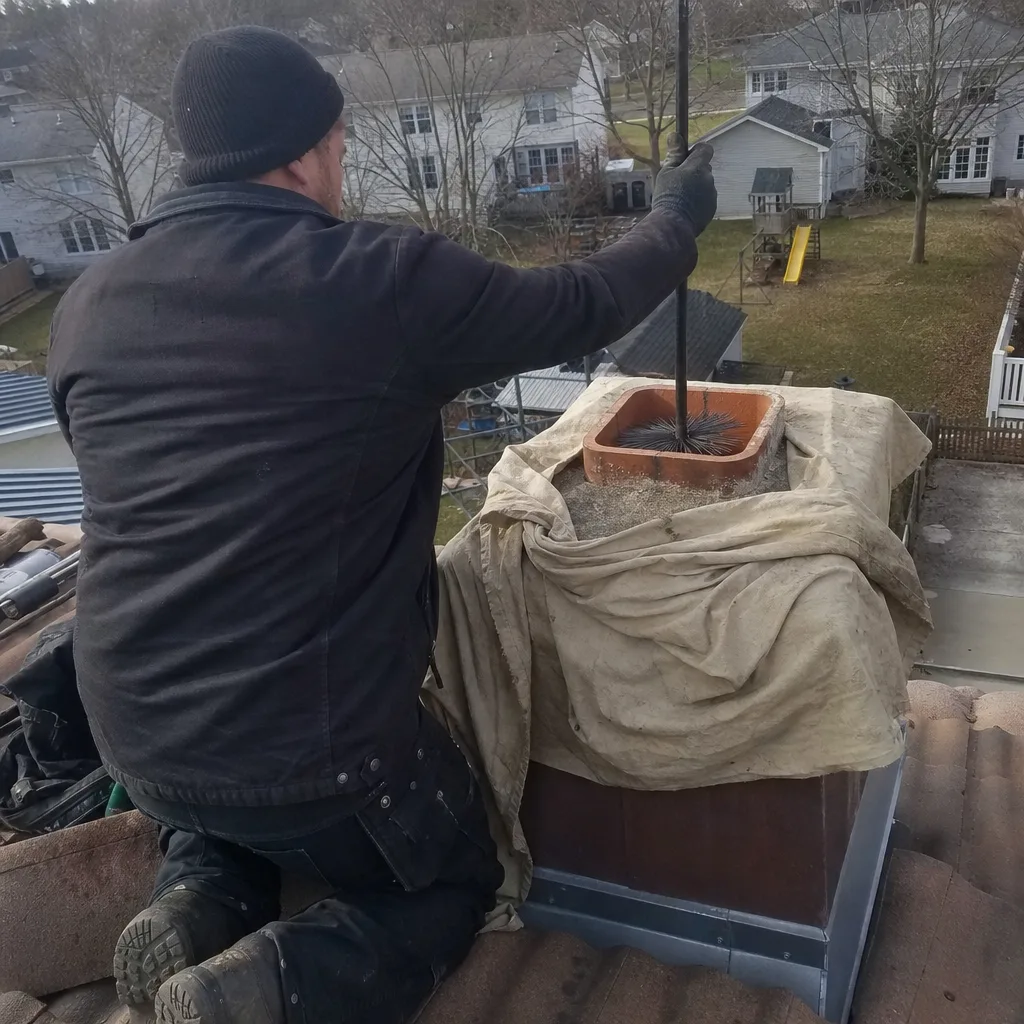
Arlington Heights heating season starts reliably with the first sustained cold snap, usually mid-October but sometimes late September. The pre-season checklist focuses on readiness and identifying damage from the previous season or summer moisture.
Interior Pre-Season Items
Perform the monthly interior checklist with particular attention to odor. A musty smell from the fireplace in September often indicates summer moisture intrusion through a failed crown or missing cap. In Arlington Heights, where summer humidity averages 70% and sudden downpours are common, this is more frequent than homeowners expect.
Test your carbon monoxide detector and verify it’s less than seven years old. Illinois law requires CO detectors within 15 feet of sleeping areas, but for fireplace-equipped homes, we recommend an additional detector in the same room as the fireplace, mounted at breathing height, not ceiling height. CO from a blocked or damaged flue is heavier than warm air and pools low.
Check the fireplace grate for integrity. A failed grate can shift logs against the firebox rear wall, causing localized overheating and cracking.
Exterior Pre-Season Items
From ground level, use binoculars or a zoom camera to inspect the chimney crown, the concrete or mortar cap that seals the top of the chimney structure. Look for cracks wider than 1/8 inch, any depression that holds water, or separation from the flue liner. A crown should slope away from the flue at minimum 1/4 inch per foot. Flat or dished crowns fail predictably in Arlington Heights freeze-thaw.
Verify the chimney cap is present, properly sized, and has intact mesh sides. The mesh keeps animals out while allowing exhaust. In Arlington Heights, we see squirrel and raccoon entries every September as temperatures drop. Mesh should be 3/4 inch or smaller; larger mesh won’t stop juvenile squirrels.
Check the chimney’s lean or plumb from a distance. Hold a level or use a phone level app at arm’s length. Any visible lean, or a gap between chimney and house wall that varies from top to bottom, indicates structural movement. Arlington Heights clay soils expand and contract significantly with moisture changes, and we’ve measured chimney separation exceeding 2 inches in homes near the Des Plaines River watershed where water tables fluctuate.
Pre-Season Professional Scheduling
Schedule your annual NFPA 211 Level 2 inspection by September 15 if you want October availability. Arlington Heights sweep schedules fill by late September most years. Chimney Cleaning & Sweep in Arlington Heights includes the camera inspection and documented photo record that distinguishes a true Level 2 from a flashlight glance.
Post-Season Checklist: March-April After the Burn
The post-season checklist catches damage before summer moisture accelerates it, and documents condition for insurance or sale purposes.
Interior Post-Season Items
Perform the monthly interior checklist immediately after your last fire, while creosote condition is fresh in memory. Note the maximum creosote thickness reached and the number of cords burned. This becomes your baseline for next year’s sweeping frequency.
Inspect the firebox for new cracks or spalling that developed during the season. Thermal cycling from daily fires to overnight cooling causes cumulative stress. A crack that grew from hairline to 1/16 inch or more over one season will likely double next season if unaddressed.
Clean and inspect the ash dump, if present. Ash dumps accumulate acidic moisture that corrodes the metal door and frame. In Arlington Heights, where spring humidity arrives in April, leaving ashes in the dump accelerates deterioration.
Exterior Post-Season Items
Inspect for efflorescence, the white powdery deposit of salts left when water moves through masonry and evaporates. Measure the spread: photograph with a ruler for scale. New efflorescence in spring indicates winter moisture intrusion. Spreading efflorescence, where the white area grows month to month, means active water entry that will eventually cause spalling and freeze-thaw damage.
Check for missing or damaged mortar joints in the chimney body, called tuckpointing needs. Use a screwdriver to probe joints gently. Depth of missing mortar exceeding 1/2 inch, or any joint where the mortar crumbles to powder with light pressure, needs repointing before next season.
Document everything with dated photographs. The post-season condition record is your proof if winter damage becomes a spring insurance claim, or if a buyer’s inspector questions chimney condition during sale.
Exterior Inspection: Roofline and Ground Level
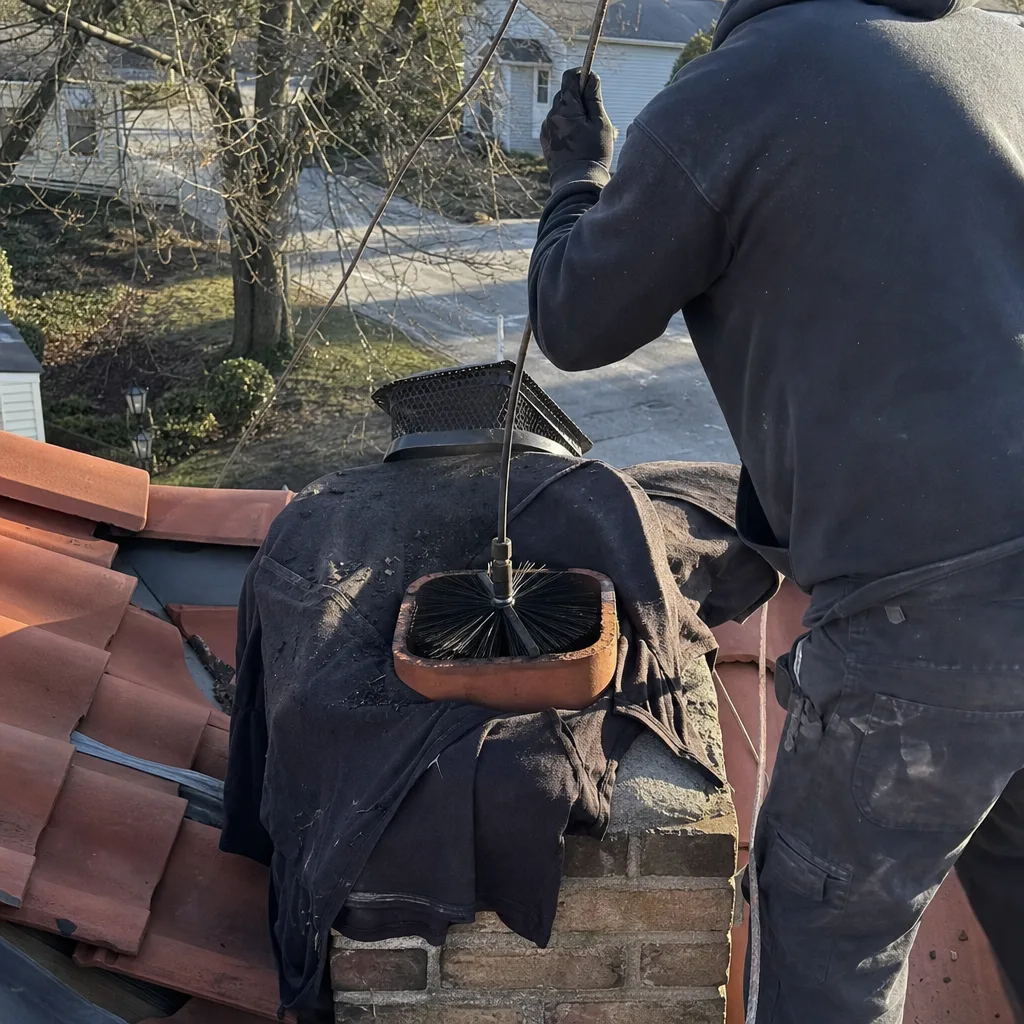
Some exterior items require ladder access; others can be assessed from ground level with attention to detail.
Ground-Level Assessment
Walk the chimney’s perimeter at foundation level. Look for settled or cracked chimney footing, separated caulk where chimney meets siding, or damaged flashing that you can see from below. In Arlington Heights, where many homes built 1960-1990 have chimneys on exterior gable ends, the chimney’s own foundation often settles independently from the house foundation, creating a visible gap or step crack.
Check the cleanout door, usually at or near ground level on the exterior. It should close tightly, with intact gasket or seal. A loose cleanout door admits moisture and vermin.
Roofline Assessment (Ladder or Binoculars)
The cricket, the peaked diversion structure behind chimneys wider than 30 inches, should show intact flashing and no debris accumulation. Arlington Heights sees heavy leaf fall from our mature oak and maple canopy; crickets clogged with leaves hold moisture against flashing and accelerate corrosion.
Flashing at the chimney-roof intersection should lie flat, with no lifted edges, no visible nail heads, and no caulk gaps. Step flashing, the L-shaped pieces woven into shingle courses, is more reliable than continuous counterflashing alone, but both should be present and intact.
The flue liner termination should be visible and centered in the flue. A shifted or dropped liner indicates joint failure or structural movement. The liner should extend 2 inches above the crown for solid-fuel appliances, 1 inch for gas.
Exterior Checklist Summary
- Chimney plumb: no visible lean, consistent gap from house wall
- Crown condition: cracks under 1/8 inch, proper slope, no pooling
- Cap present: proper mesh, secure attachment, no rust-through
- Flashing: flat, sealed, no lifted edges at chimney-roof intersection
- Cricket: clear of debris, intact diversion slope
- Cleanout door: closes tight, seal intact
- Foundation: no settlement cracks, no separation from structure
- Efflorescence: documented with scale, compared to prior photos
What Requires a Professional With a Camera
The NFPA 211 Level 2 inspection, which we perform on every Level Two Chimney Arlington Heights home visit, uses a video camera scanned the full length of the flue. This reveals conditions no flashlight inspection can assess. The following items are not DIY-checkable and require this documentation.
Flue Liner Condition
Clay tile liners crack vertically from thermal shock, horizontally from freeze-thaw, and at joints from settling. A camera reveals hairline cracks, shifted tiles, and missing mortar between tiles that create gaps for heat and combustion gases. In Arlington Heights, we find liner damage in approximately 30% of homes built before 1980, and in 15% of newer homes where rapid heating of cold flues caused thermal shock.
Stainless steel liners, common in Arlington Heights relining work using Chimney Repair in Arlington Heights materials from Olympia Chimney and DuraFlex, develop different failure modes: weld separation, corrosion at the cap, and creosote buildup in corrugated sections that reduces diameter.
Smoke Chamber Parging
The smoke chamber’s sloped walls are only fully visible with a camera aimed upward from the firebox. We evaluate parging coverage, corbel step condition, and creosote accumulation in this high-turbulence zone. NFPA 211 requires smoke chambers to be parge-coated smooth; exposed corbels are a code deficiency even if they appear stable.
Attic Flue Clearance
The flue’s path through attic spaces requires inspection for proper clearance to combustibles, typically 2 inches for masonry chimneys, 1 inch for listed factory-built chimneys. Arlington Heights homes with finished attics or added insulation sometimes compromise original clearances. Only a camera inspection from below, combined with attic access, confirms compliance.
Combustible Clearances and Framing Contact
Hidden framing contact with chimney masonry is a leading cause of structure fires. The camera inspection, combined with thermal imaging where indicated, identifies pyrolysis indicators: discolored or charred wood, compressed or shrunken framing members, or gaps that have closed due to thermal cycling.
Professional Documentation Standard
Clause 4 of the Haven Standard requires a documented photo record on every job. Our customers receive dated, labeled photographs of all camera findings, a written scope of any recommended work, and a written price before any work begins. This documentation becomes your permanent record for insurance, resale, or warranty claims.
Paperwork to Keep: Why Insurers and Buyers Ask for It
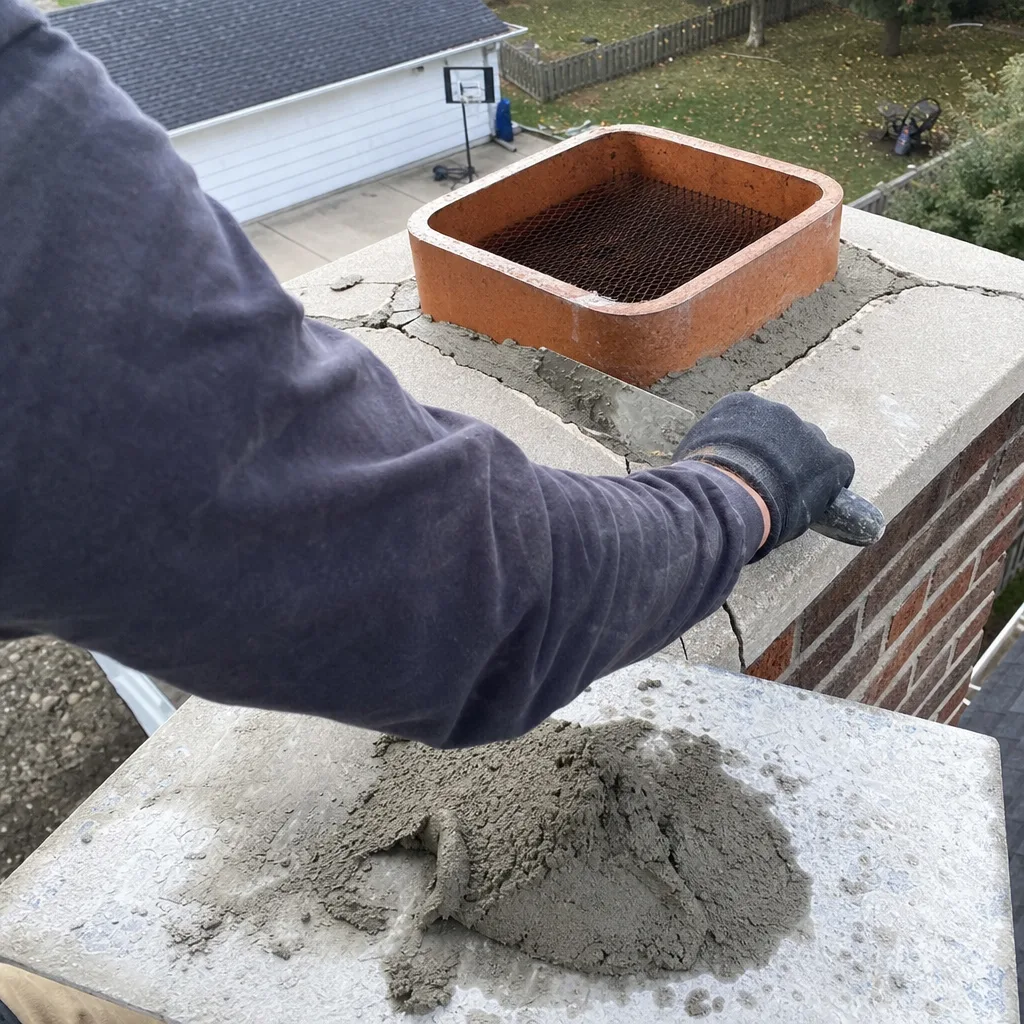
Chimney documentation is increasingly requested in Arlington Heights real estate transactions and insurance claims. Keep these records organized and accessible.
What to Keep
- Annual inspection reports with NFPA 211 Level 2 designation
- Camera footage or still photographs from each inspection
- Written scope and written price for any work performed
- Completed work invoice with technician name and date
- Manufacturer documentation for any liner, cap, or damper installed
- Warranty documents, including the 365-Day Done Right Promise
Why It Matters for Insurance
After a chimney fire or CO incident, insurers investigate maintenance history. A documented annual inspection record supports your claim. Conversely, inability to produce inspection records may result in claim denial or premium increase. Arlington Heights homeowners in the 60004 and 60005 ZIP codes have reported increased scrutiny from insurers writing policies in Cook County’s higher-risk rating territories.
Why It Matters for Sale
Buyer inspectors flag chimneys routinely. A seller who produces three years of Level 2 inspection reports with photo documentation preempts renegotiation. We’ve provided retrospective documentation for Arlington Heights sellers whose buyers’ inspectors raised questions; in every case, the documented record resolved the issue without price adjustment.
The Haven Standard Record
Every Level Two Chimney Arlington Heights customer receives a completed Haven Standard checklist stamped with the inspection date, technician name, and findings. This single document satisfies most insurer and buyer requests. We maintain backup copies indefinitely for customers who misplace originals.
Three Items Most Arlington Heights Homeowners Skip
These items don’t appear on generic checklists because they require knowing they exist. They’re also the items most likely to cause expensive secondary damage.
1. Chimney Cap Mesh Condition
Homeowners verify the cap is present but don’t inspect the mesh sides. Mesh corrodes from the inside out due to acidic flue gases, especially in gas appliance chimneys where condensation accelerates metal fatigue. A cap with intact top but rusted-through mesh admits animals and allows sparks to exit. Check mesh by pressing lightly with a screwdriver; it should resist deformation. Replace mesh or the entire cap when it yields to light pressure. Gelco and Famco caps with stainless mesh outlast galvanized alternatives in Arlington Heights conditions.
2. Chase Cover Condition (Factory-Built Fireplaces)
Factory-built fireplaces in Arlington Heights, common in homes built 1985-2005, have a metal chase enclosing the flue rather than masonry. The chase cover, the flat or slightly sloped top, is often galvanized steel that rusts from the underside. Homeowners never see the underside until water stains appear on interior ceilings. Inspect chase covers from a ladder, looking for rust staining on the exterior chase siding, dents that hold water, or popped fasteners. A chase cover should be replaced with a stainless or copper model before rust penetrates; once ceiling staining appears, repair costs multiply tenfold.
3. Attic Flue Clearance and Insulation Contact
Adding insulation is one of the most common Arlington Heights home improvements, and one of the most common sources of compromised flue clearances. Blown insulation fills gaps that originally provided safe separation. Fiberglass contact with masonry isn’t immediately dangerous but compresses and reduces effective clearance. Cellulose contact is more serious due to potential smoldering. The attic flue inspection is part of our Level 2 service, but homeowners should verify attic insulation hasn’t been added or repositioned since their last inspection.
What Chimney Maintenance Costs in Arlington Heights
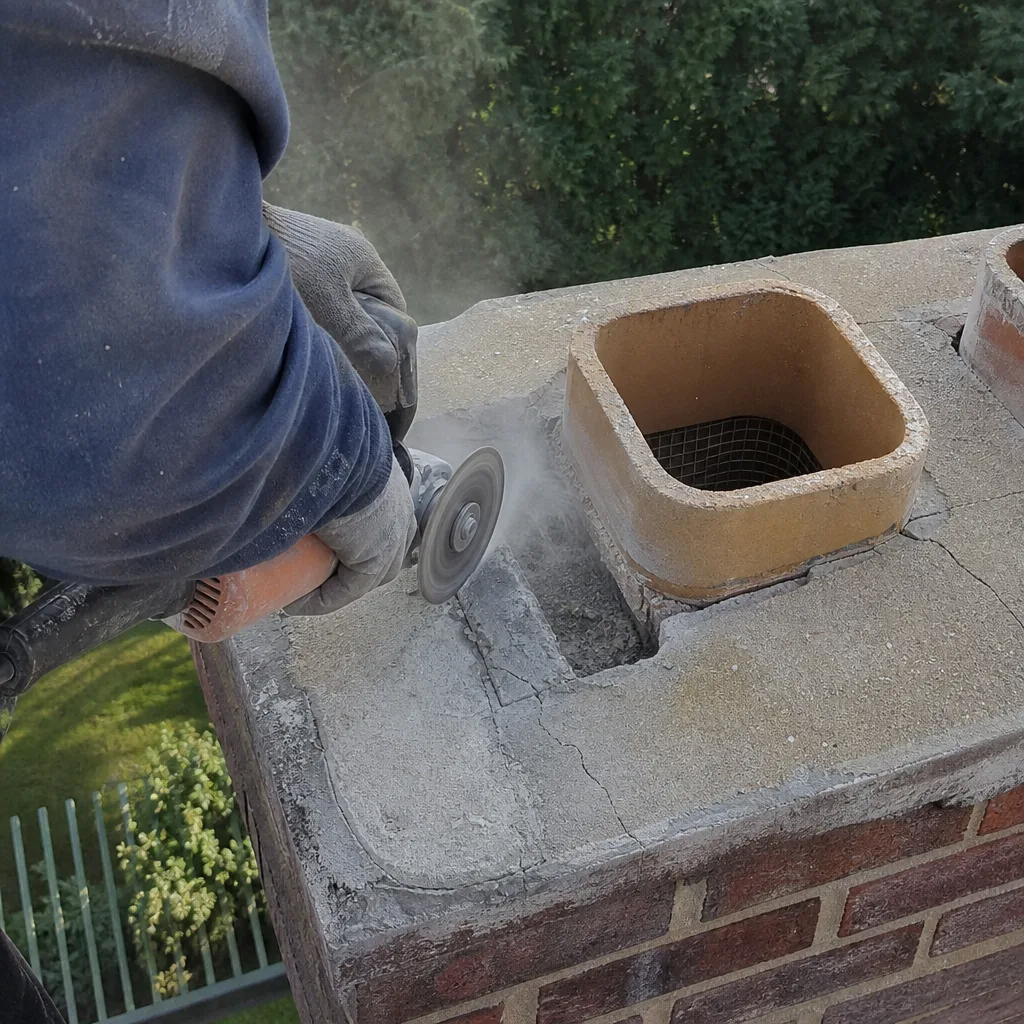
Specific pricing helps you budget and evaluate estimates. These ranges reflect Arlington Heights market conditions in 2024-2025, including Cook County permit requirements and material costs through our Haven buying network.
| Service | Typical Range | What’s Included |
|---|---|---|
| NFPA 211 Level 2 inspection with camera | $249-$349 | Full camera scan, photo documentation, written report, written scope if work needed |
| Chimney sweep (wood-burning fireplace) | $189-$289 | Sweeping of flue, smoke chamber, firebox; debris removal; Level 1 inspection |
| Chimney sweep with Level 2 inspection | $349-$449 | Combined service; camera documentation included |
| Crown repair (minor crack sealing) | $299-$549 | Cleaning, crack routing, flexible crown sealant application |
| Crown rebuild (significant deterioration) | $1,200-$2,400 | Form and pour new concrete crown with proper slope and overhang |
| Firebox crack repair (minor) | $400-$800 | Grinding, refractory patching, heat-cure |
| Smoke chamber parging | $1,800-$3,200 | Access, surface prep, Cerfractory or similar parging to NFPA smoothness standard |
| Stainless steel liner (average fireplace) | $2,800-$4,500 | Olympia Chimney or DuraFlex liner, insulation, top plate, connector, installation |
| Chimney cap replacement (standard) | $249-$449 | Stainless or copper cap, proper mesh, secure attachment |
| Chase cover replacement | $649-$1,200 | Custom-fabricated stainless or copper cover, storm collar, installation |
| Tuckpointing (per square foot) | $18-$32 | Grinding, matching mortar, tooling, cleanup |
These ranges are current for Arlington Heights. Every job is quoted in writing before work begins, with no exceptions. We also offer a Free Second Opinion on any competitor’s written estimate. Fireplace Services in Arlington Heights pricing follows the same structure.
Common Mistakes to Avoid
- Judging creosote by color alone. Black, shiny creosote (Stage 2) is more hazardous than fluffy soot (Stage 1) but less dangerous than glazed, puffy deposits (Stage 3). Thickness and texture matter more than color.
- Assuming gas fireplaces need no maintenance. Gas flues develop condensation corrosion and debris from deteriorating liners. Annual inspection is required; sweeping frequency is lower but not zero.
- Using the chimney as a vent for new appliances. Connecting a high-efficiency furnace or water heater to an existing chimney without proper sizing creates condensation and backdraft hazards. This is a frequent issue in Arlington Heights home sales where owners added appliances without chimney evaluation.
- Ignoring musty odors in September. Summer moisture intrusion smells musty before it causes visible damage. By the time you see ceiling stains, the repair cost has tripled.
- Accepting “it looks fine” without documentation. A verbal all-clear from a sweep without camera footage and written report provides no protection in a claim or sale. Insist on the documentation standard.
- Delaying repair based on “we’ll sell soon anyway.” Disclosure requirements in Illinois mean known defects must be reported. Undisclosed chimney issues become seller liability after closing.
- Using unseasoned wood to “save money.” Wood with moisture content above 20% produces significantly more creosote, increasing sweep frequency and fire risk. Arlington Heights has ample seasoned hardwood suppliers; the savings are illusory.
When to Call a Professional
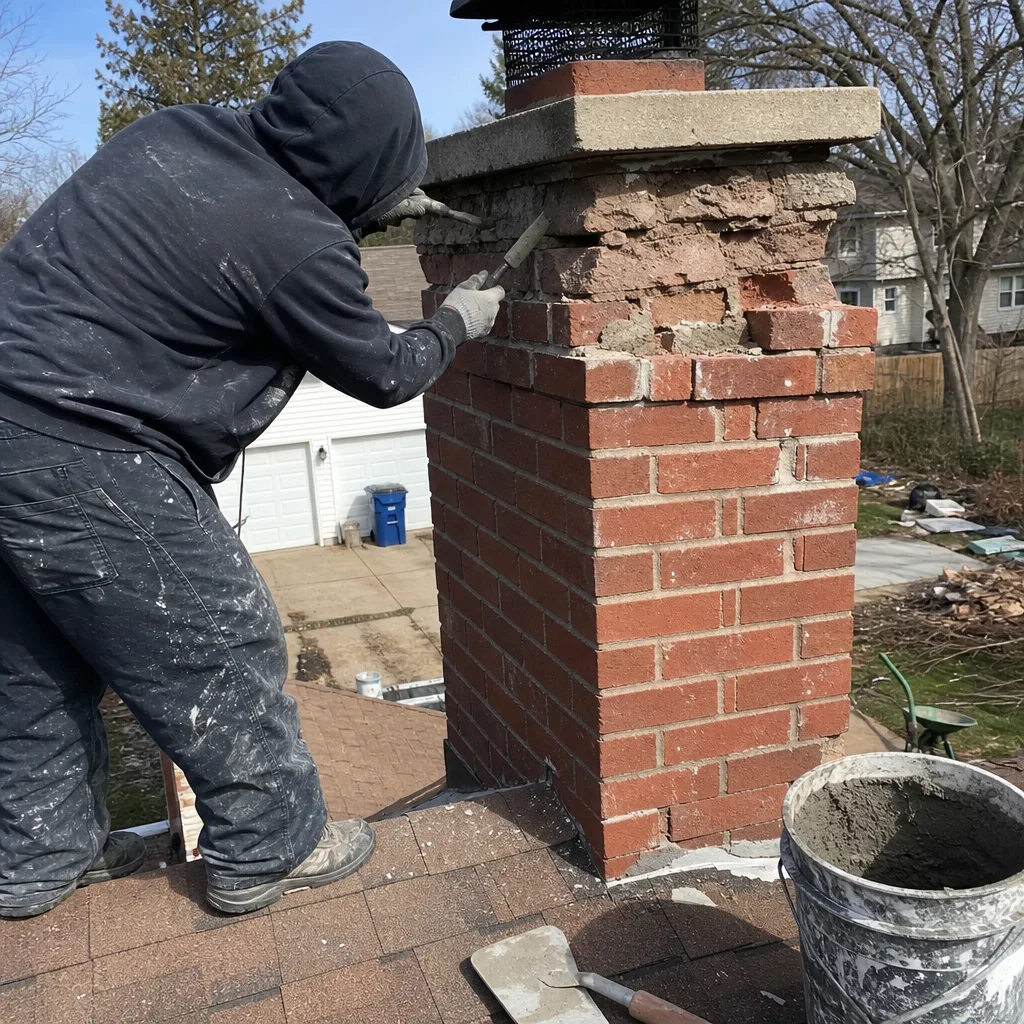
Call today if you observe any of the following: smoke entering the room during normal operation; carbon monoxide detector activation; visible flame or glowing material in the chimney exterior; a damper that won’t fully open or close; cracks exceeding 1/16 inch that connect mortar joints; efflorescence that is new or spreading; or any lean or separation in the chimney structure. These are not monitorable conditions.
Call before next season if your last inspection is over 12 months old, if you’ve burned a full cord since your last sweep, if you’ve changed appliances or fuel type, or if you’re preparing to sell. Level Two Chimney Arlington Heights offers free estimates in Arlington Heights. We’ll provide a written price, written scope, and written warranty before any work begins, with camera documentation included. Call (331) 202-2419.
Frequently Asked Questions
A standard chimney sweep for a wood-burning fireplace in Arlington Heights typically costs $189-$289, while a sweep combined with NFPA 211 Level 2 camera inspection runs $349-$449. Gas fireplace inspections are usually at the lower end of the range. Call (331) 202-2419 for an exact quote - estimates are free.
For wood-burning fireplaces, schedule sweeping after each cord of wood burned or annually, whichever comes first. Most Arlington Heights households burning 2-3 cords per heating season need one mid-season sweep and a post-season inspection. Gas appliances need annual inspection; sweeping frequency depends on debris accumulation and liner condition. Call (331) 202-2419 for an exact quote - estimates are free.
You need a new liner when camera inspection reveals cracks, gaps, or deterioration that compromise containment of heat and combustion gases. We never recommend liner replacement without camera evidence you can see yourself. Many liners last 15-50 years depending on material and use. A damaged liner is a genuine safety hazard; an intact liner with minor staining is not. Call (331) 202-2419 for an exact quote - estimates are free.
Skipped maintenance leads to creosote accumulation that increases chimney fire risk, moisture intrusion that causes structural deterioration, and undetected liner damage that can allow carbon monoxide into living spaces. In Arlington Heights, where heating season runs 5-6 months, the cumulative effect is faster than in milder climates. Insurance claims for chimney-related damage may be denied without maintenance records. Call (331) 202-2419 for an exact quote - estimates are free.
A Level 1 inspection is visual, without tools or roof access, appropriate for unchanged systems with no known issues. A Level 2 inspection includes video camera scan of the flue interior, accessible areas of the attic and basement, and written documentation. It’s required at sale, after chimney fire, or when any system change occurs. Level Two Chimney Arlington Heights performs Level 2 as our standard on every visit - Clause 4 of the Haven Standard requires camera documentation.
Homeowners can perform monthly visual checks, operate and clean the damper, remove ashes, and monitor for observable changes. Flue sweeping, liner evaluation, roofline inspection, and any repair involving the chimney structure require training, proper equipment, and safety protocols. The high-tension spring systems in some damper mechanisms and the risk of working at height make professional service the appropriate choice for most maintenance.
The Bottom Line
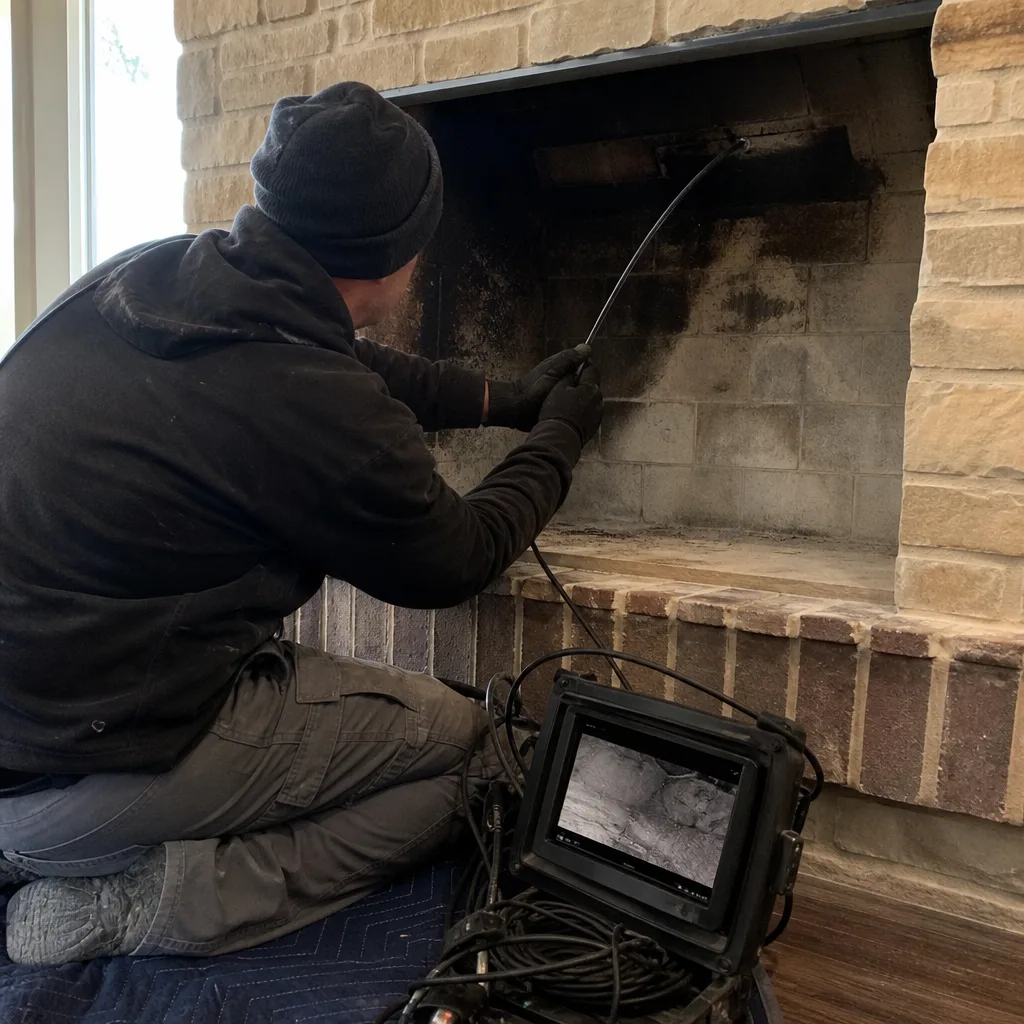
A useful chimney checklist names what to measure, not just what to schedule. For Arlington Heights homeowners, that means crack widths in 1/16-inch increments, creosote thickness against damper blade width, efflorescence spread documented with a ruler, and draft delays timed with a match. It means distinguishing what you can observe from the firebox versus what requires a camera scan the full flue length. It means keeping dated documentation that satisfies insurers and buyers. And it means three items most homeowners miss: cap mesh corrosion, chase cover underside rust, and attic insulation compromising flue clearance. Perform monthly checks during season, pre-season and post-season exterior reviews, and schedule an annual NFPA 211 Level 2 inspection with camera documentation. The written price, written scope, and written warranty come before any work begins - that’s Clause 1 of the Haven Standard, and it’s how we’ve operated since 2009.
Written by Corrine Halstead, Owner at Level Two Chimney Arlington Heights, serving Arlington Heights since 2009.