
Last updated September 22, 2026
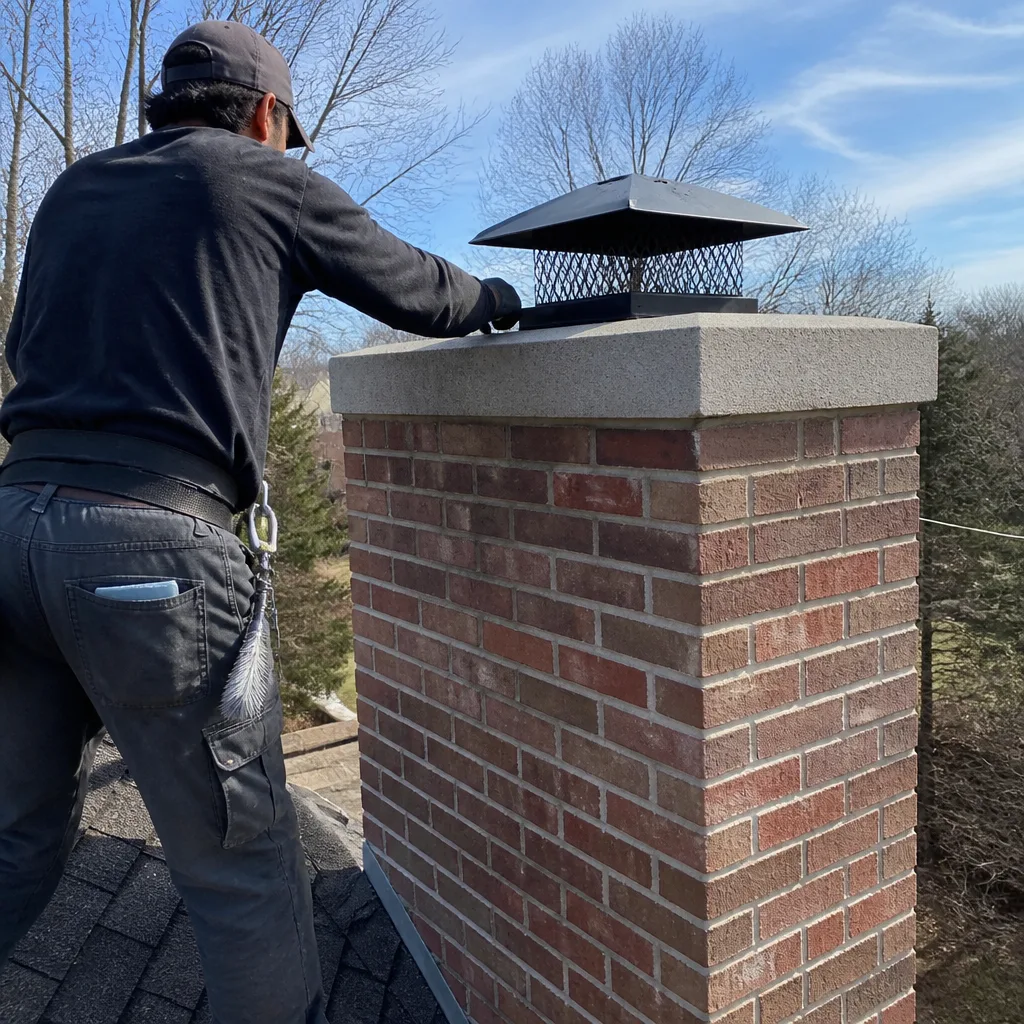
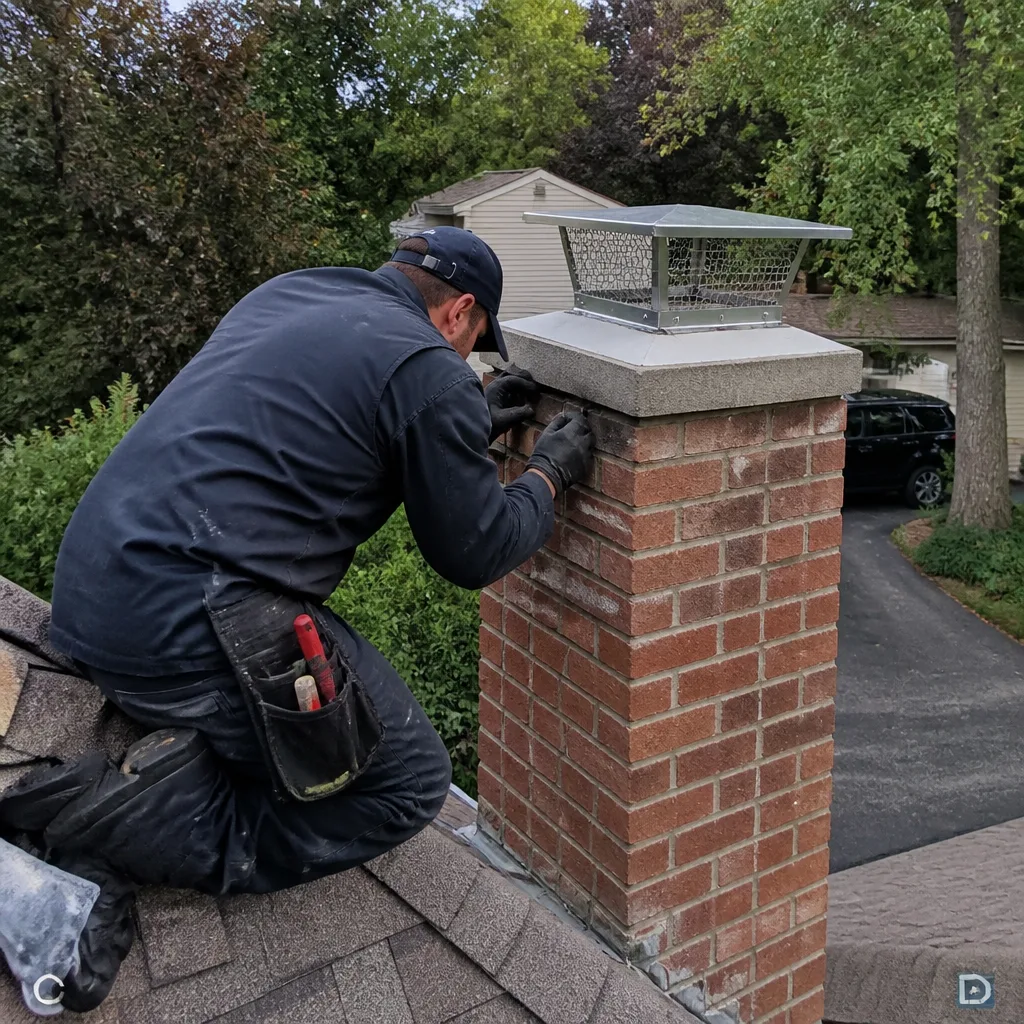
Level 1 sweep and inspection to the NFPA 211 annual standard - flue, crown, cap, and flashing checked and photographed
Chimney sweep logs do not sweep chimneys. They loosen some creosote - which then falls where a brush and vacuum still have to collect it.
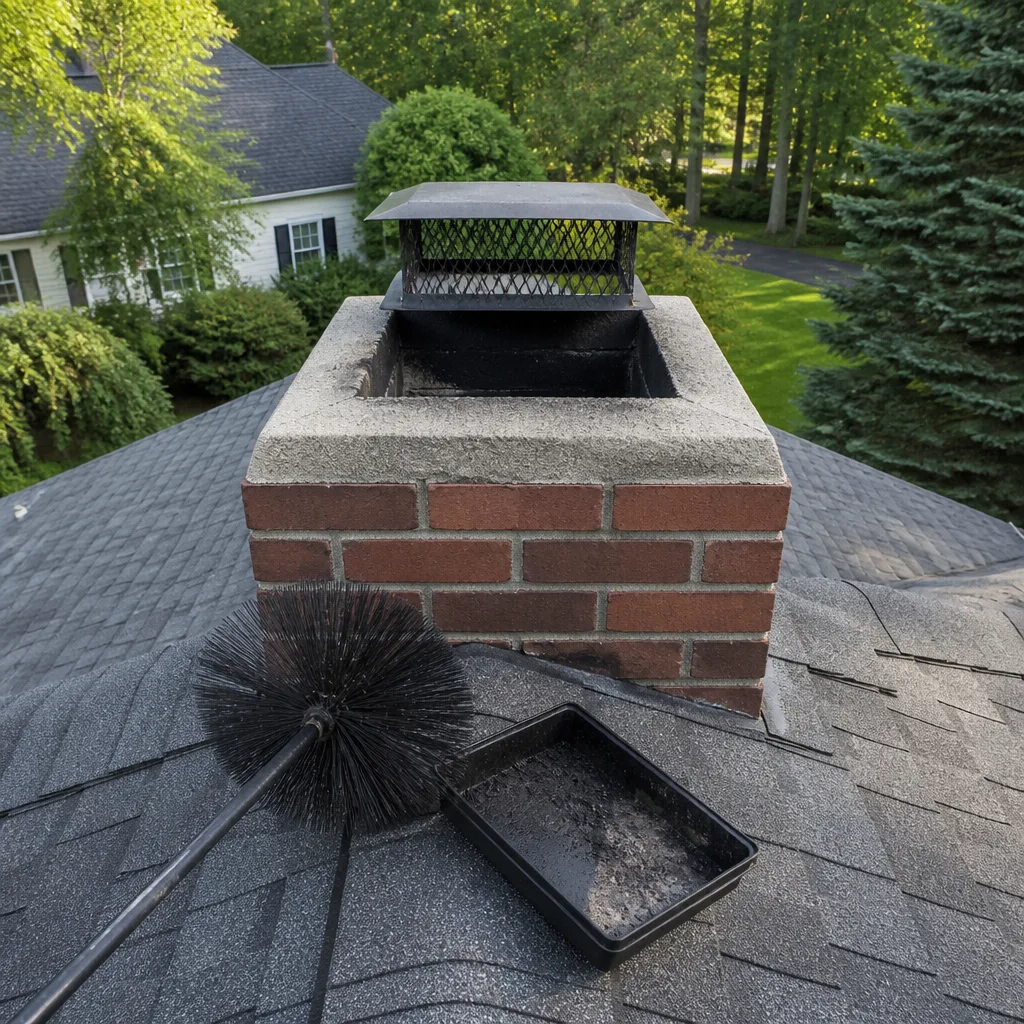
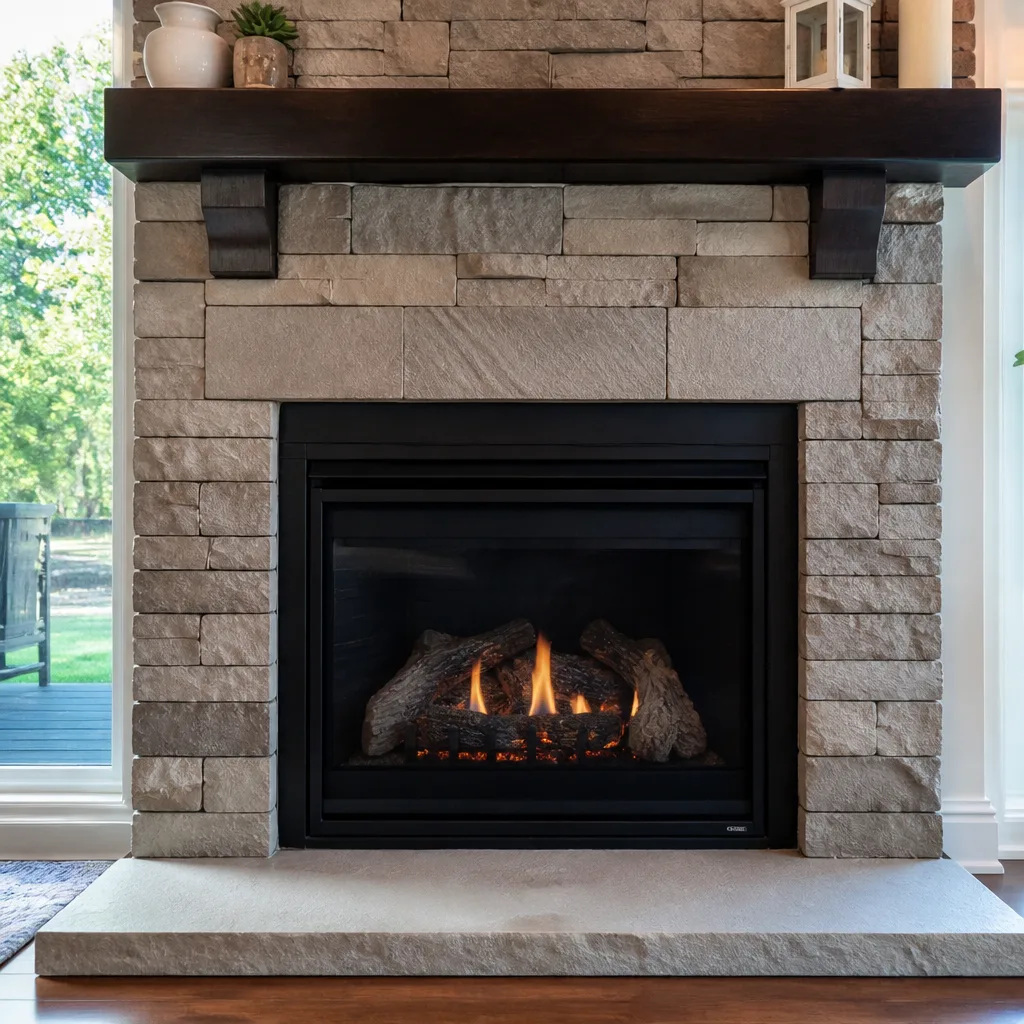
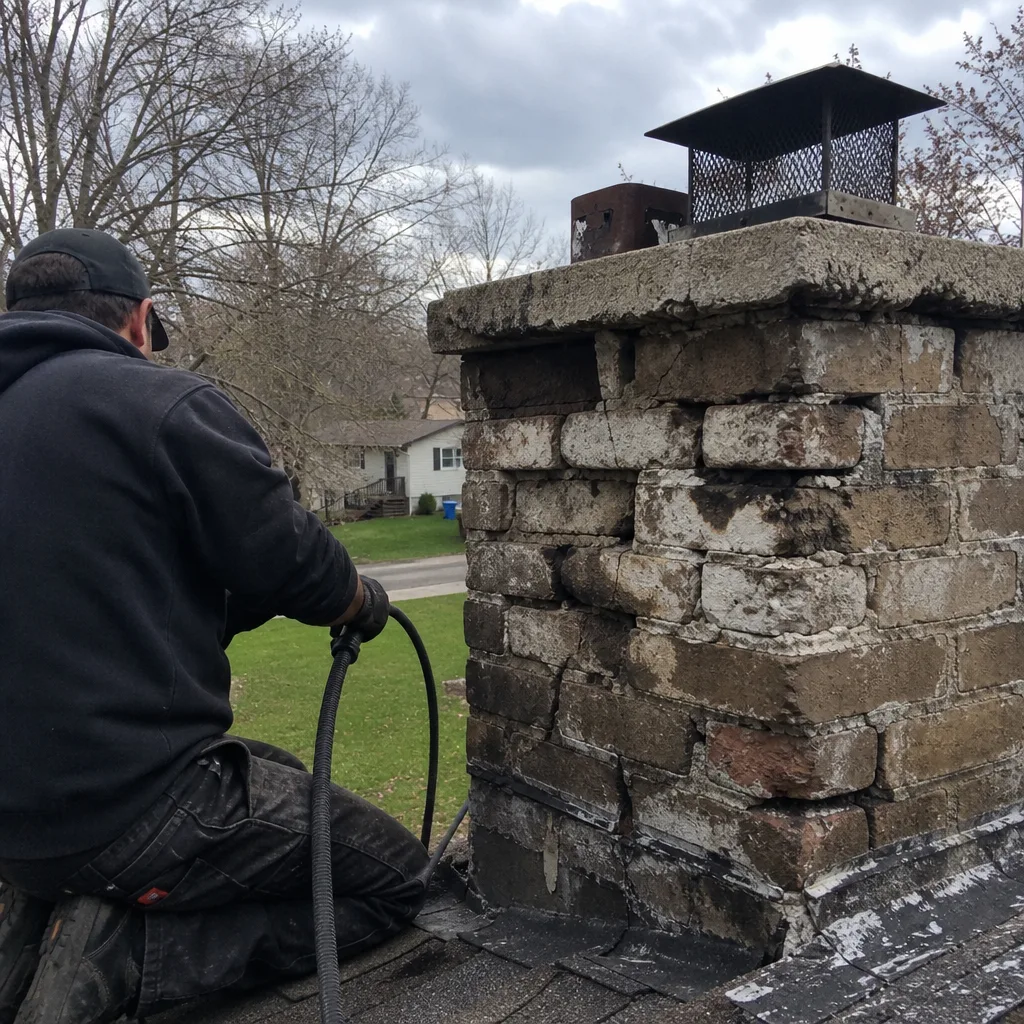 Before
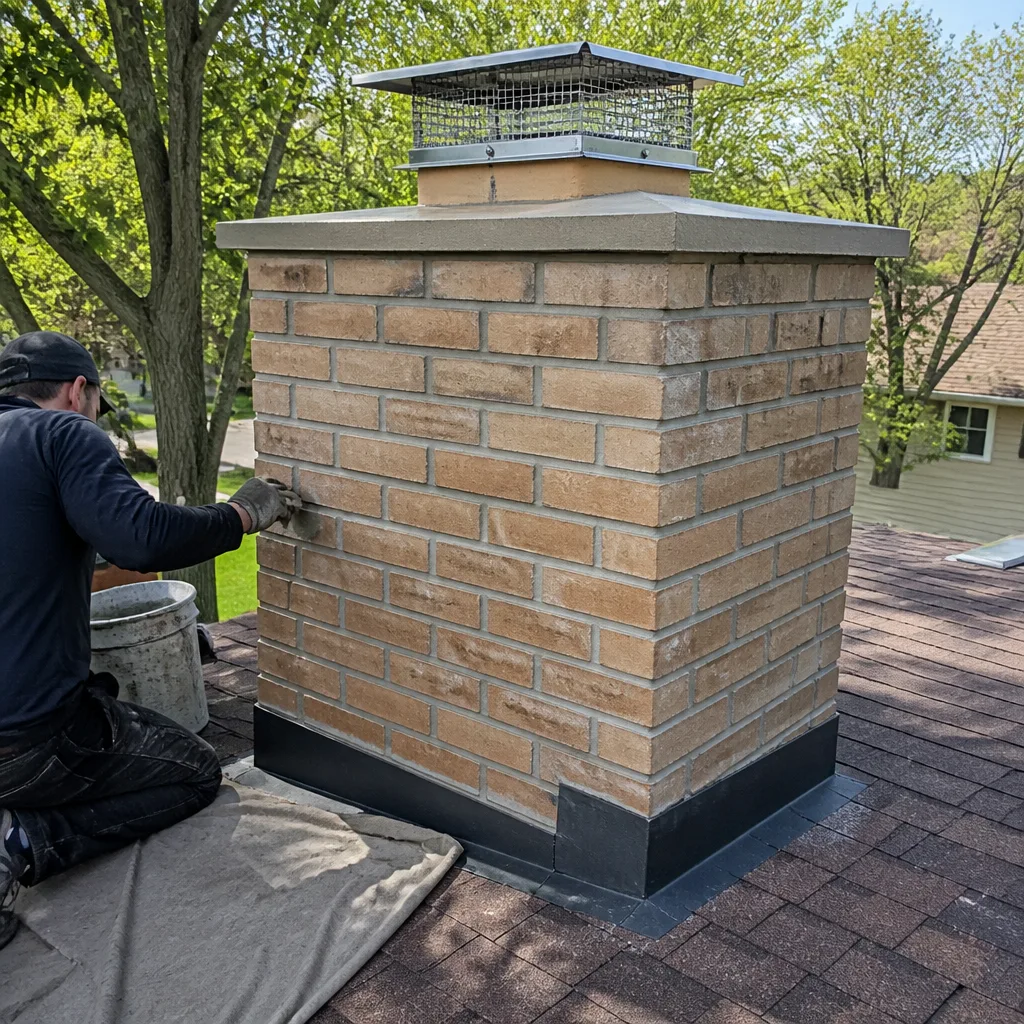 After
After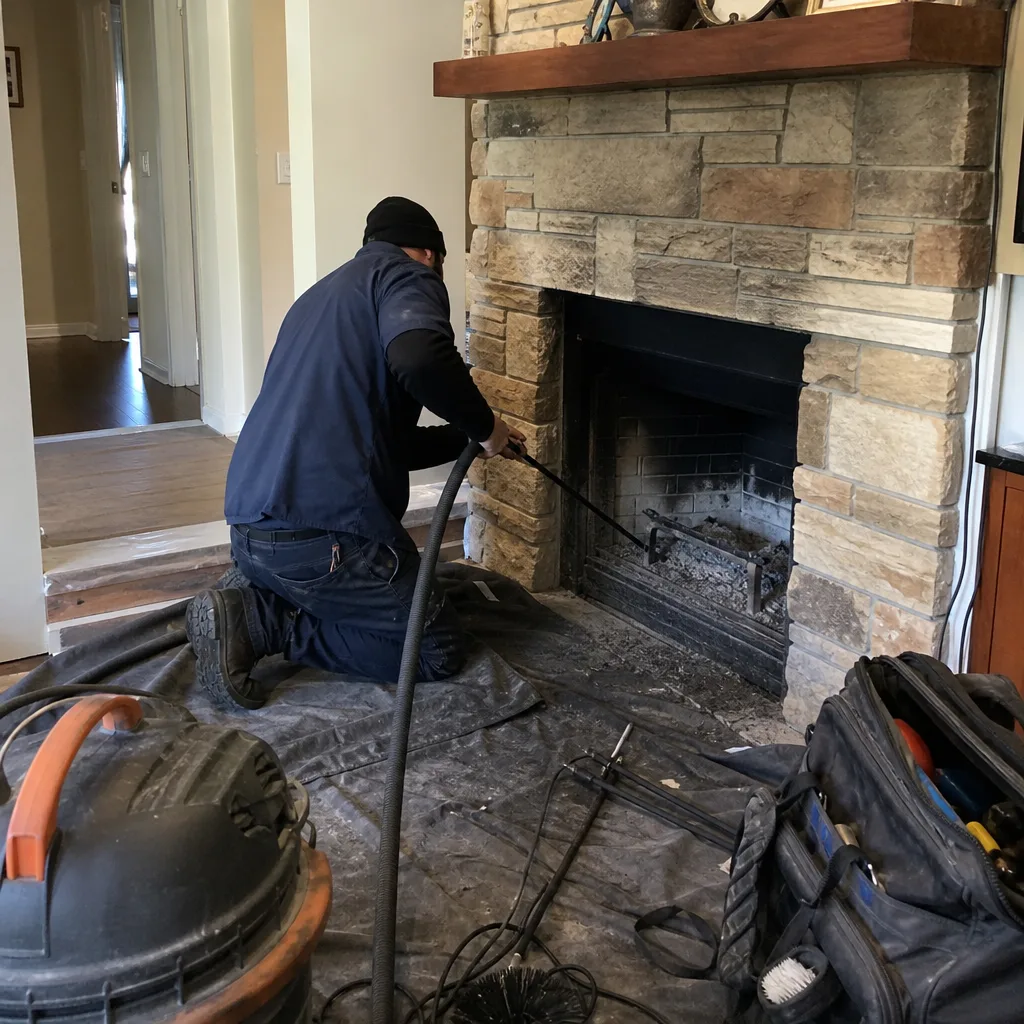 Before
 After
After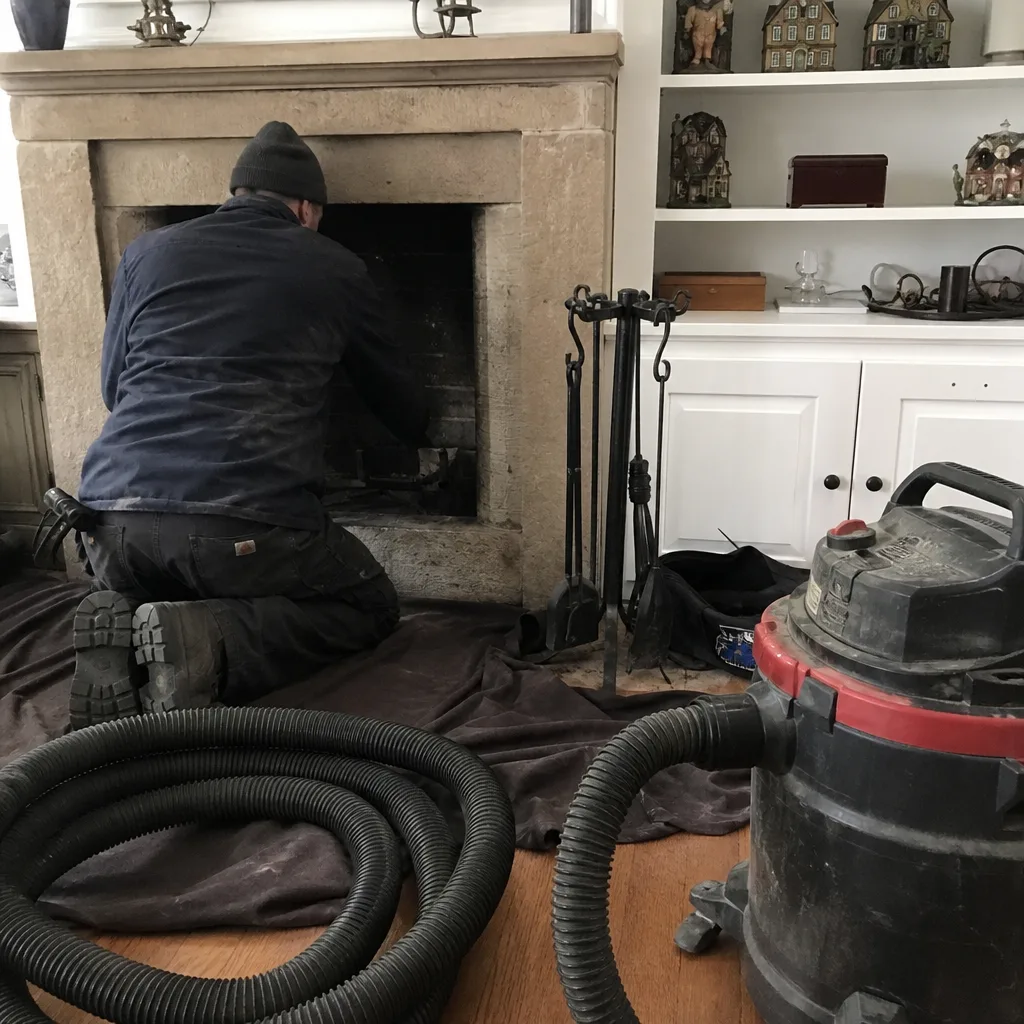 Before
 After
AfterThe Complete Guide to Chimney Cleaning in Arlington Heights
The National Fire Protection Association’s own data shows that 27% of home heating fires trace back to creosote - yet the inspection standard most companies use in Arlington Heights hasn’t changed since before smartphones existed. A flashlight glance up the flue and a quick brush pass is still what many homeowners receive when they book a “chimney cleaning,” even though NFPA 211 has required camera-scan documentation for Level 2 inspections since long before most Arlington Heights residents bought their homes. In this guide, we’ll walk through what chimney cleaning actually involves for the five distinct components of your flue system, why Arlington Heights’s brutal freeze-thaw cycle changes everything about maintenance timing, and what documentation you should walk away with to prove the work was real.
Quick Answer
Professional chimney cleaning in Arlington Heights costs between $199 and $349 for a standard sweep with camera inspection, and should be performed annually for wood-burning systems and every two to three years for gas inserts. Before booking, read our DIY vs Professional Chimney Cleaning: The Arlington Heights Homeowner’s Decision Guide to understand what you’re really paying for. A proper cleaning addresses five separate flue components - firebox, smoke chamber, flue liner, damper, and crown/cap - with distinct failure patterns for each. In Arlington Heights specifically, the freeze-thaw cycle accelerates liner spalling and crown cracking, meaning camera evidence of liner integrity is more critical here than in milder climates.
Table of Contents
- What Chimney Cleaning Actually Covers: The Five Flue Components
- Why Arlington Heights’s Freeze-Thaw Cycle Changes Your Cleaning Schedule
- Camera Scan vs. Flashlight: What You Actually Get for Your Money
- NFPA 211 Level 2 Inspection vs. Basic Cleaning: Know What You’re Buying
- What a Written Service Record Should Actually Contain
- What Chimney Cleaning Costs in Arlington Heights
- How Often to Schedule Cleaning in Arlington Heights
- Common Mistakes to Avoid
- When to Call a Professional
- Frequently Asked Questions
 Before
 After
AfterWhat Chimney Cleaning Actually Covers: The Five Flue Components
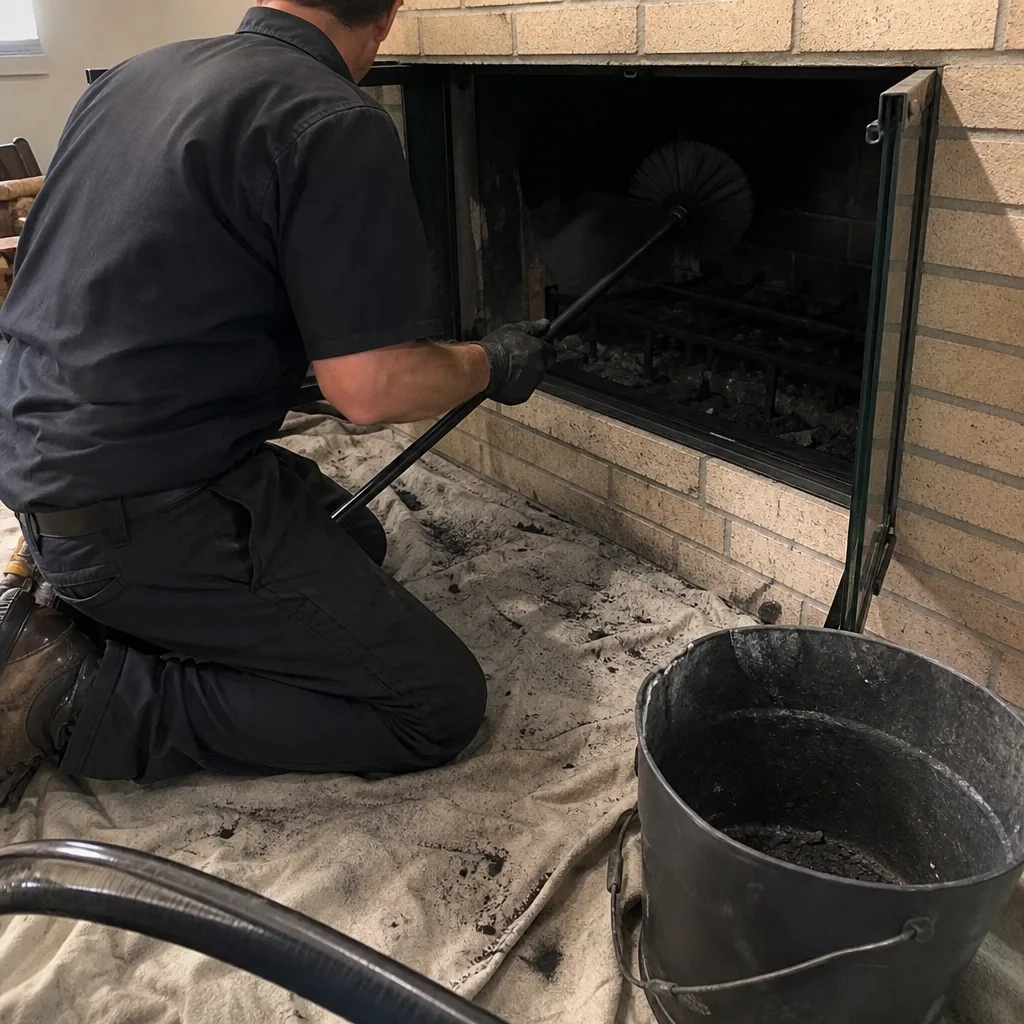
Most Arlington Heights homeowners use “chimney cleaning” as shorthand for one service. But the flue system has five distinct components, each with its own contamination pattern, failure mode, and evidence standard. Understanding the difference protects you from paying for a brush pass while missing a cracked liner that could channel carbon monoxide into your home.
1. Firebox
The firebox is the visible chamber where combustion occurs - brick or refractory panels in wood-burning units, metal enclosure in gas inserts. “Clean” here means removal of ash buildup, soot staining, and cracked or spalling refractory material. In our experience across Arlington Heights, fireboxes in homes near the Des Plaines River corridor often show accelerated moisture staining from higher water tables, which can mask hairline cracks that a superficial cleaning misses.
What proves the work: photos of all four firebox walls, close-ups of refractory panel seams, and notation of any gaps exceeding 1/8 inch.
2. Smoke Chamber
The smoke chamber is the angled transition zone above the firebox that funnels gases into the flue liner. It’s the most commonly skipped component in budget sweeps because it’s awkward to reach and impossible to evaluate without a camera angled upward. Creosote accumulates on the smoke chamber walls in a thick, tar-like coating (Class III creosote, or “glaze”) that standard brushes often fail to remove. Parging cracks here can allow heat transfer to adjacent framing, creating a slow-motion fire risk that produces no visible symptoms until failure.
What proves the work: camera footage showing the full smoke chamber surface, parging condition noted, and any exposed corbelled brick documented.
3. Flue Liner
The flue liner is the vertical channel that carries combustion gases to the exterior. In Arlington Heights, we see three liner types: clay tile (most common in pre-1990 construction), stainless steel (retrofit or newer construction), and cast-in-place (typically HeatShield or similar refractory systems). “Clean” means removal of creosote deposits down to bare liner surface, but more critically, it means documented confirmation of liner integrity - no spalling, no cracked tiles, no gaps at mortar joints.
Arlington Heights’s freeze-thaw cycle is particularly hard on clay tile liners. Water infiltrates hairline cracks, expands when frozen, and widens the defect over successive winters. We’ve replaced liners in Ranch Triangle and Scarsdale homes where the damage progression was invisible from below but obvious on camera - the homeowner had received “clean” bills of health from flashlight inspections for years.
What proves the work: full-length camera scan from firebox to crown, with timestamped footage showing every liner joint and any defect measured and noted.
4. Damper
The damper regulates airflow and seals the flue when the fireplace isn’t in use. “Clean” means removal of soot and creosote from the damper plate, frame, and pivot mechanism, plus confirmed full opening and closing function. A damper that opens only partially creates poor draft and smoke backup; one that won’t seal fully bleeds heated air up the flue all winter. In gas conversions common in Arlington Heights’s 1950s-1970s housing stock, we often find original throat dampers left in place but rusted open, with no documentation that the homeowner was informed.
What proves the work: photos of damper in fully open and fully closed positions, measured opening dimensions, and notation of any corrosion or misalignment.
5. Crown and Cap
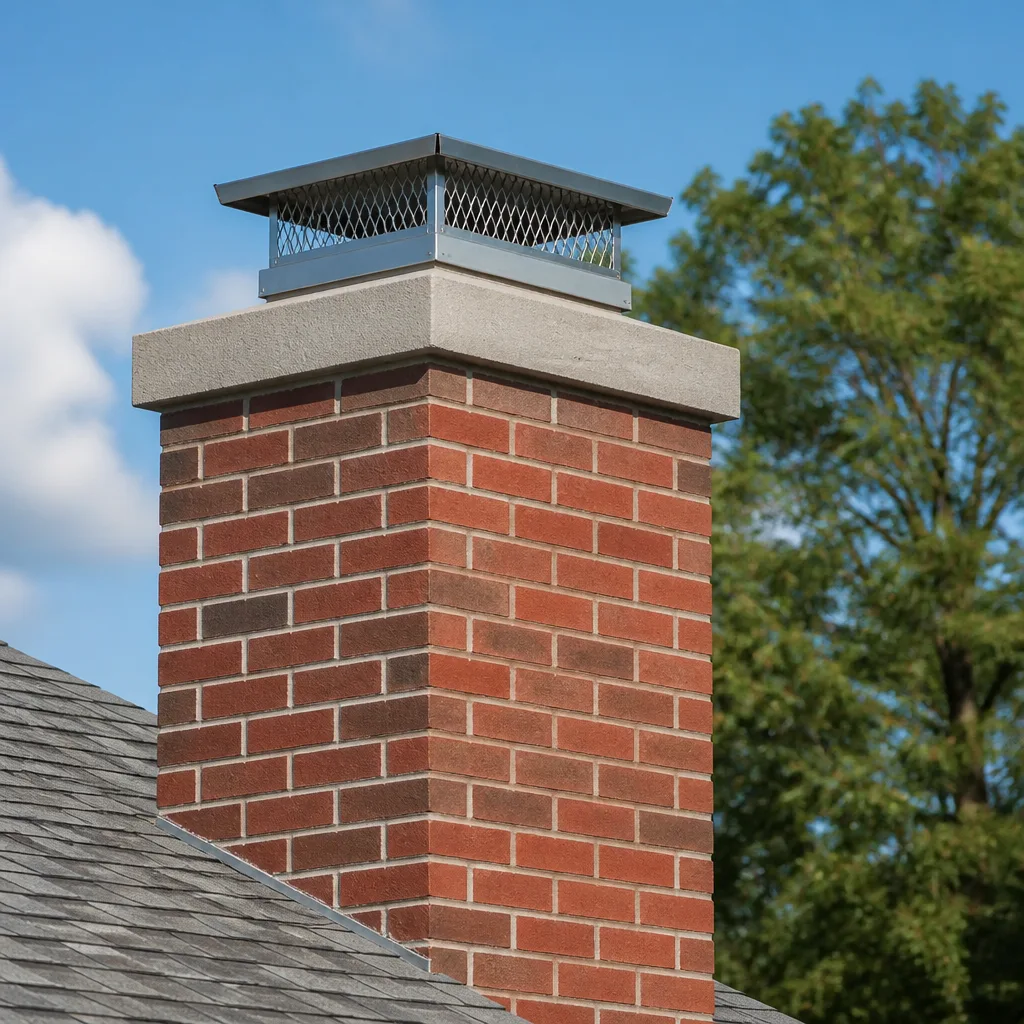
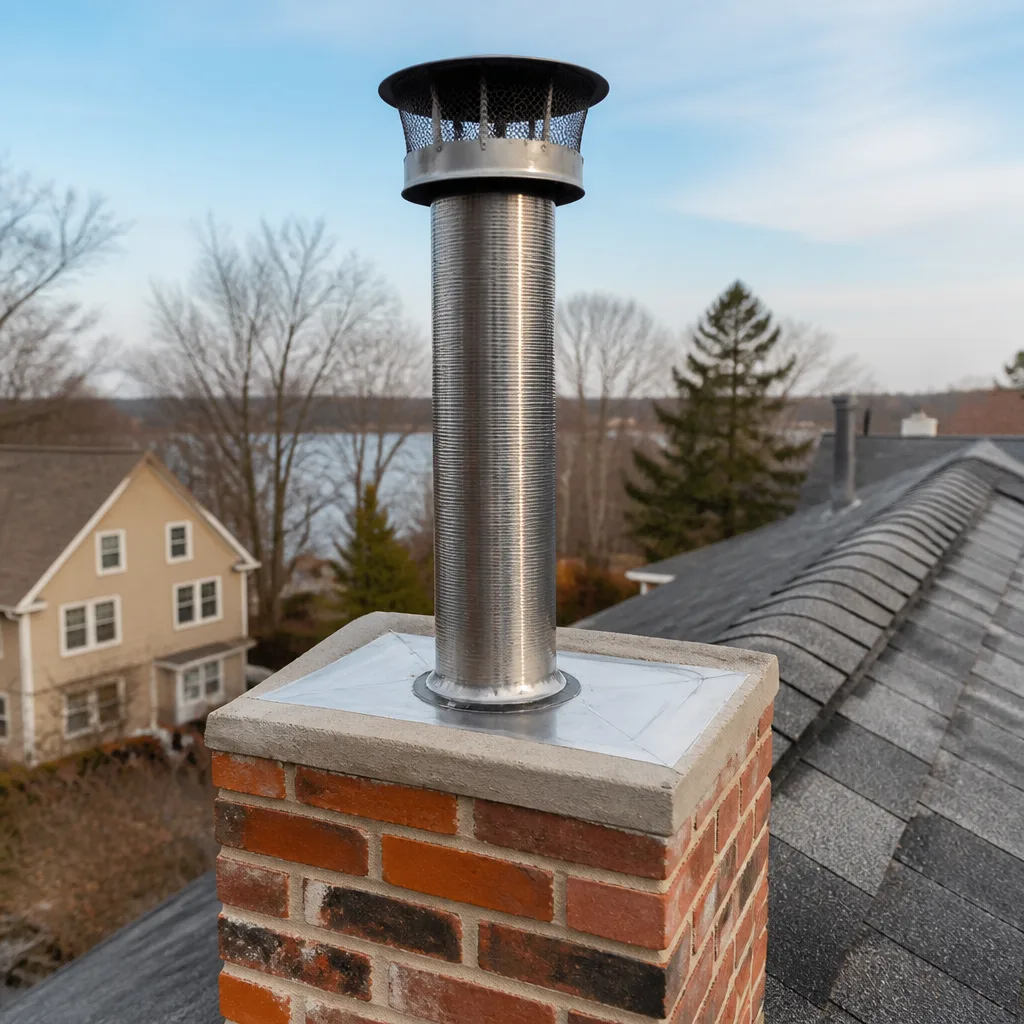
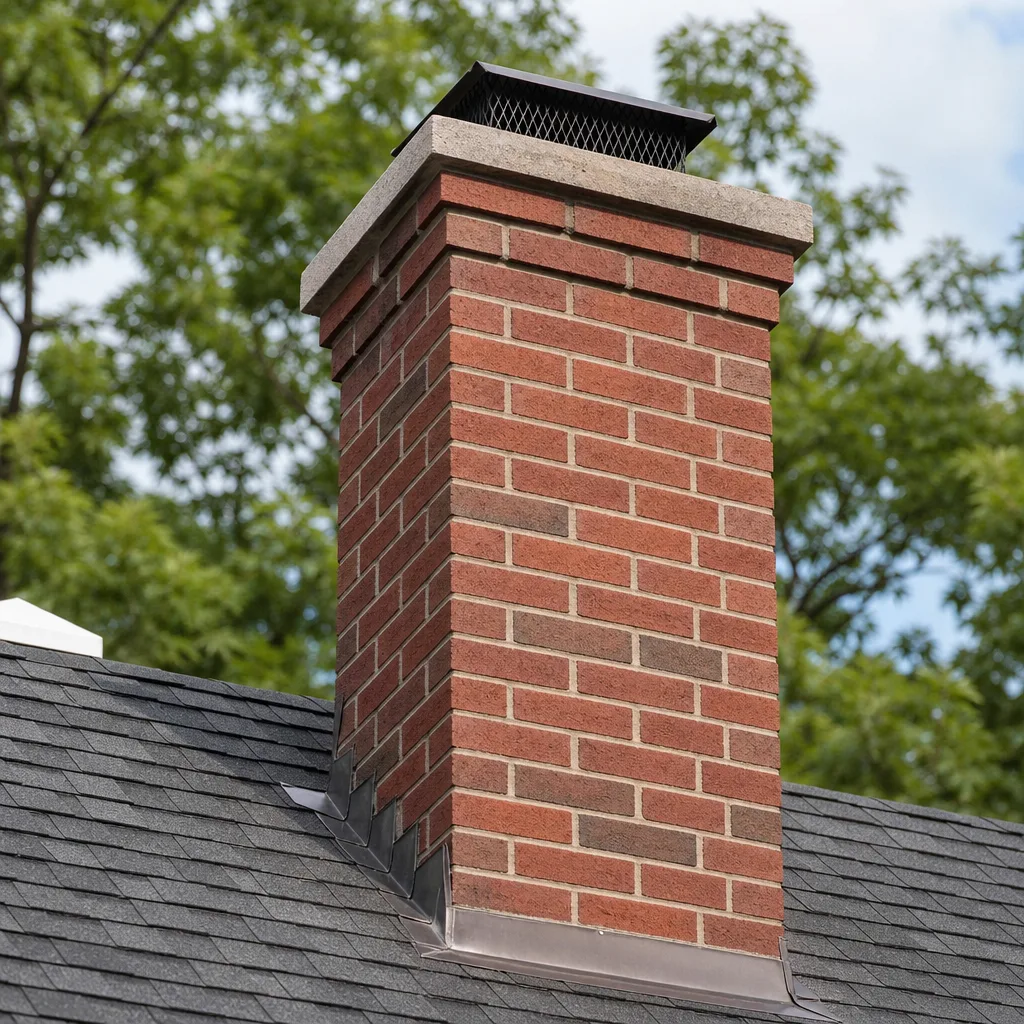
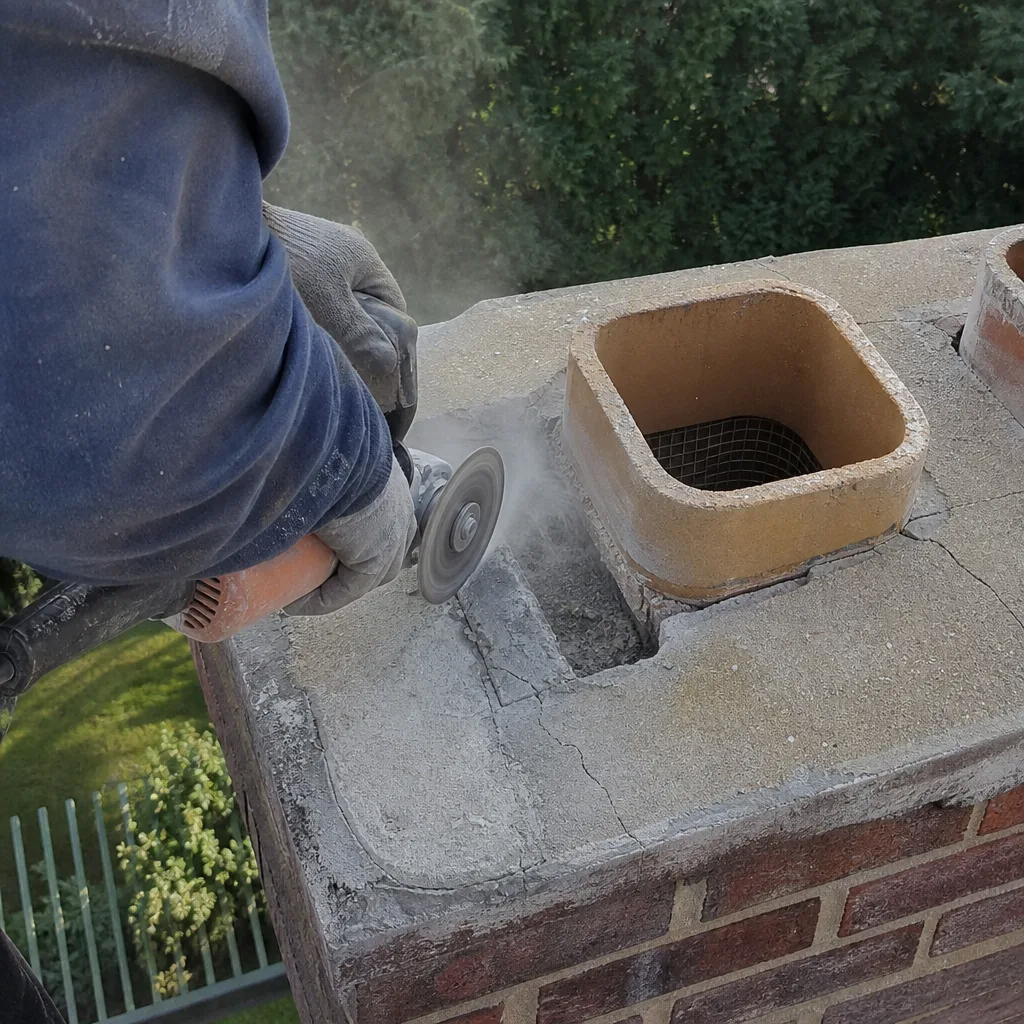
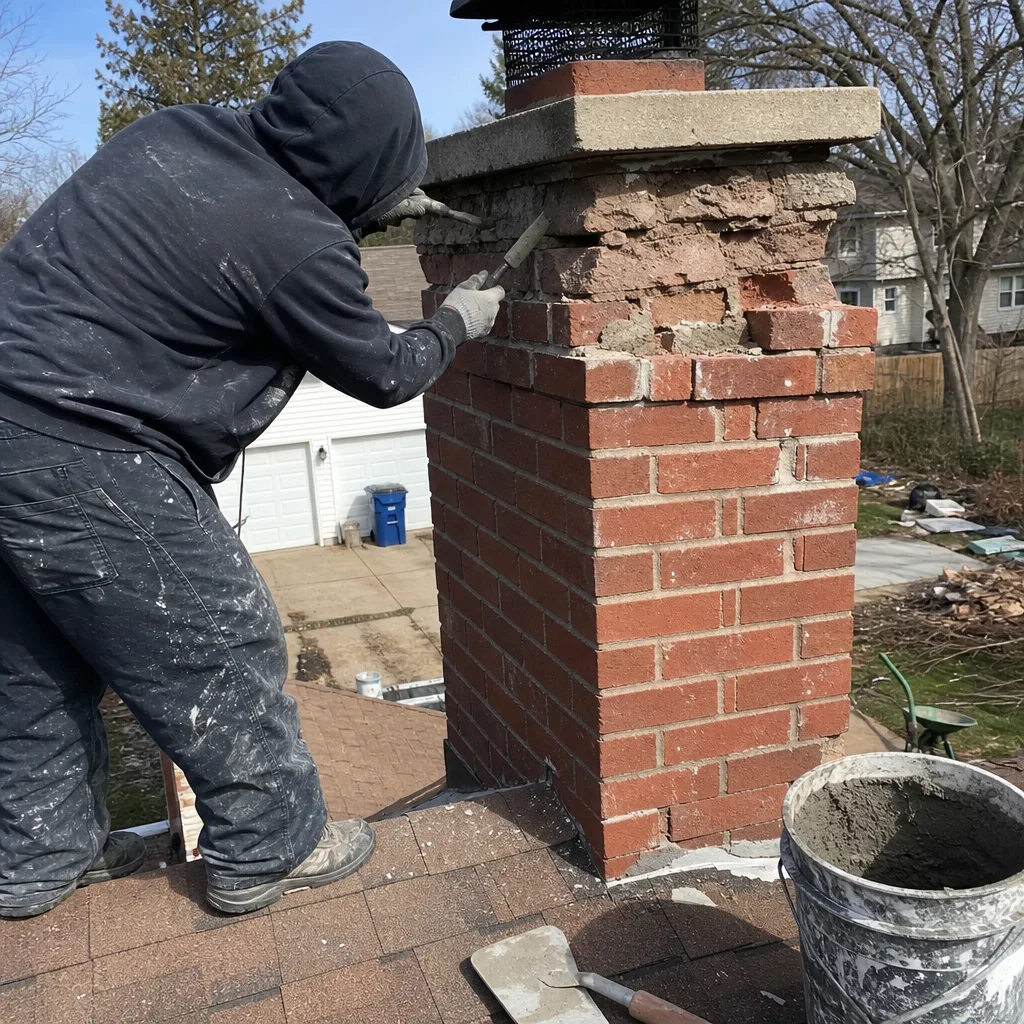
The crown is the concrete or mortar slab that seals the chimney top; the cap is the metal cover that keeps rain and animals out. These aren’t “cleaned” in the traditional sense, but they’re inspected for water intrusion that undermines everything below. Crown cracks in Arlington Heights often follow a predictable pattern: fine hairlines after the first hard freeze, widening over 2-3 seasons, then spalling that exposes the chimney structure to saturated freeze-thaw cycles. A cap with damaged mesh or improper clearance can allow bird nesting (common in Arlington Heights’s mature tree canopy) or create downdraft conditions that stain the flue.
What proves the work: photos of crown from multiple angles, any crack width measured, cap condition and clearance dimensions noted, and exterior flue condition documented.
Why Arlington Heights’s Freeze-Thaw Cycle Changes Your Cleaning Schedule
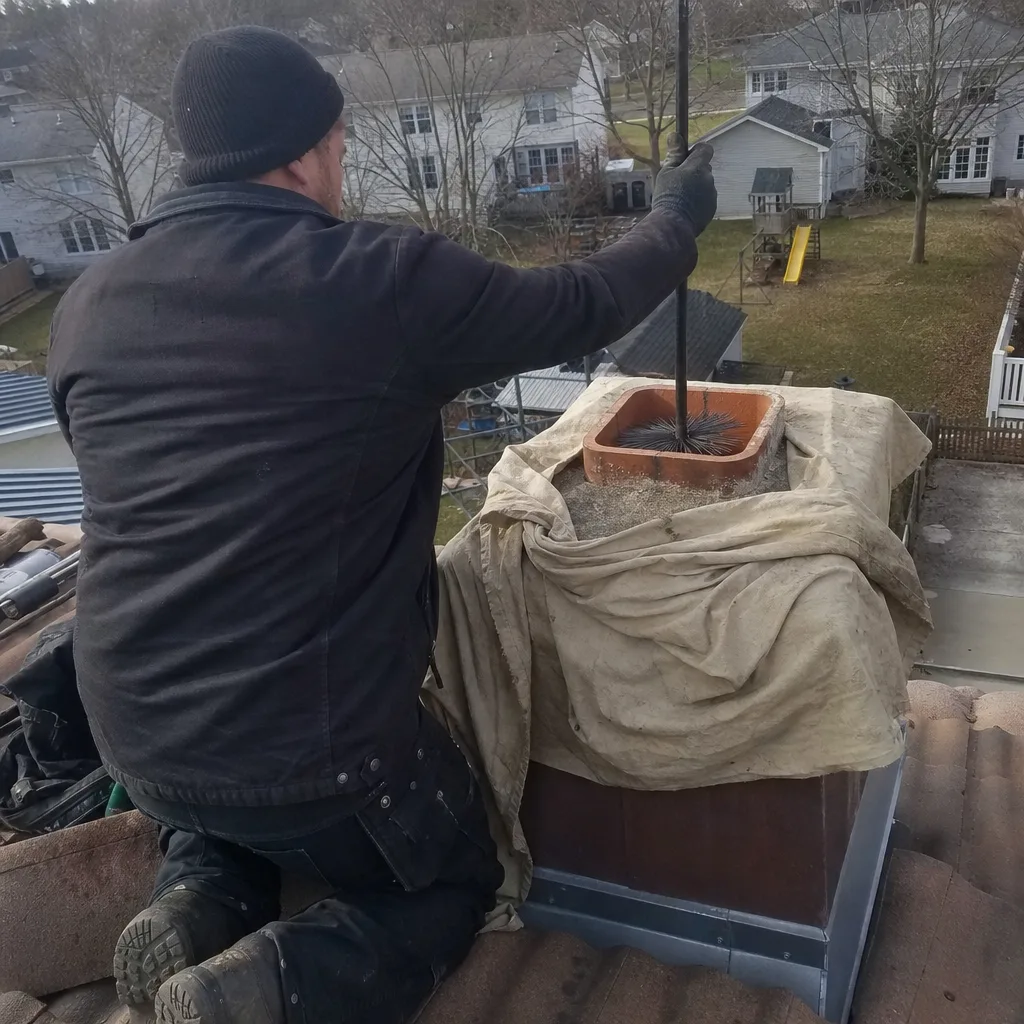
Arlington Heights sits in Cook County’s continental climate zone, with average winter lows around 16°F and routine freeze-thaw cycling from November through March. The village receives roughly 36 inches of annual precipitation, much of it as snow that melts, refreezes, and infiltrates chimney structures over multiple cycles. See our Seasonal Chimney Cleaning Care for Arlington Heights: Year-Round Homeowner’s Guide for a month-by-month maintenance calendar. This isn’t abstract meteorology - it directly changes what “annual maintenance” means for your flue system.
Here’s the mechanism: water enters through crown cracks, cap gaps, or deteriorated mortar joints. When temperatures drop below freezing, that water expands by about 9% in volume. In a confined masonry structure, that expansion generates pressure exceeding 2,000 psi - enough to spall brick faces, crack clay tiles, and separate liner joints. Each cycle widens the defect, admitting more water, accelerating the damage. We’ve documented this progression in camera records from Arlington Heights homes where the liner appeared sound in October but showed new spalling by April.
This climate reality means three things for Arlington Heights homeowners:
- Pre-heating-season timing matters more than calendar regularity. A cleaning in March, after the freeze-thaw season, catches winter damage before it’s hidden by summer disuse. A cleaning in September confirms integrity before the heating load increases.
- Camera documentation of liner condition is non-negotiable. Visual inspection from below cannot detect the freeze-thaw microcracking that progresses inside the flue. Only a camera scan shows the actual liner surface.
- Crown and cap condition should be evaluated every visit, not just when water stains appear inside. By the time interior staining is visible, the damage cycle is usually advanced.
Compared to milder climates - say, Charlotte or Atlanta, where we also operate - Arlington Heights chimneys experience roughly 40% more thermal stress cycles per heating season. The cleaning schedule shouldn’t differ, but the documentation standard should. A flashlight inspection that might suffice in a stable climate is inadequate here.
Camera Scan vs. Flashlight: What You Actually Get for Your Money
The distinction between a camera-scan inspection and a flashlight look isn’t technical pedantry - it’s the difference between documented evidence and undocumented opinion. Here’s what each method actually reveals, with specific examples from Arlington Heights jobs we’ve completed.
What a Flashlight Inspection Shows
A technician shines a light up the flue from the firebox or roof, observing what light reaches. This method can identify:
- Major blockages (bird nests, collapsed liner sections, severe creosote buildup)
- Visible light penetration at the top (confirming basic flue continuity)
- Obvious staining or damage on accessible surfaces
What it cannot show: hairline cracks in clay tiles, gaps at liner joints above the first few feet, parging condition in the smoke chamber, corrosion pitting in stainless liners, or the progression of freeze-thaw damage between seasons. A flashlight inspection is essentially a confirmation that the flue isn’t completely blocked - useful, but not diagnostic.
What a Camera Scan Shows
A chimney inspection camera - we use systems with 360-degree rotation and LED lighting - is lowered through the flue on a cable, recording continuous footage with distance markers. This reveals:
- Every liner joint, measured for gap width
- Spalling depth and location on clay tiles
- Corrosion patterns in stainless steel (often indicating improper fuel or condensation issues)
- Smoke chamber parging condition, including areas invisible from below
- Creosote classification by NFPA standards (Class I flaky, Class II tar-like, Class III glazed) which determines cleaning method
- Comparison baseline for future inspections - we can overlay last year’s footage to show progression
Specific example: In a 1962 ranch near Arlington Heights’s Pioneer Park, a flashlight inspection reported “flue looks good.” Our camera scan found a 3/8-inch gap at a clay tile joint 12 feet up, with freeze-thaw spalling progressing around it. The homeowner had used the fireplace for three seasons with this defect - combustion gases were migrating through the gap into the chimney structure, a carbon monoxide risk that produced no visible symptoms. The repair (stainless liner with insulation) was $3,400. The undetected continuation of that condition could have required full chimney rebuild at 3-4x the cost, or worse.
Clause 4 of the Haven Standard requires this camera documentation on every job. We adopted it in 2009, before NFPA 211 emphasized it, because the evidence gap between flashlight and camera was too consequential to ignore.
NFPA 211 Level 2 Inspection vs. Basic Cleaning: Know What You’re Buying
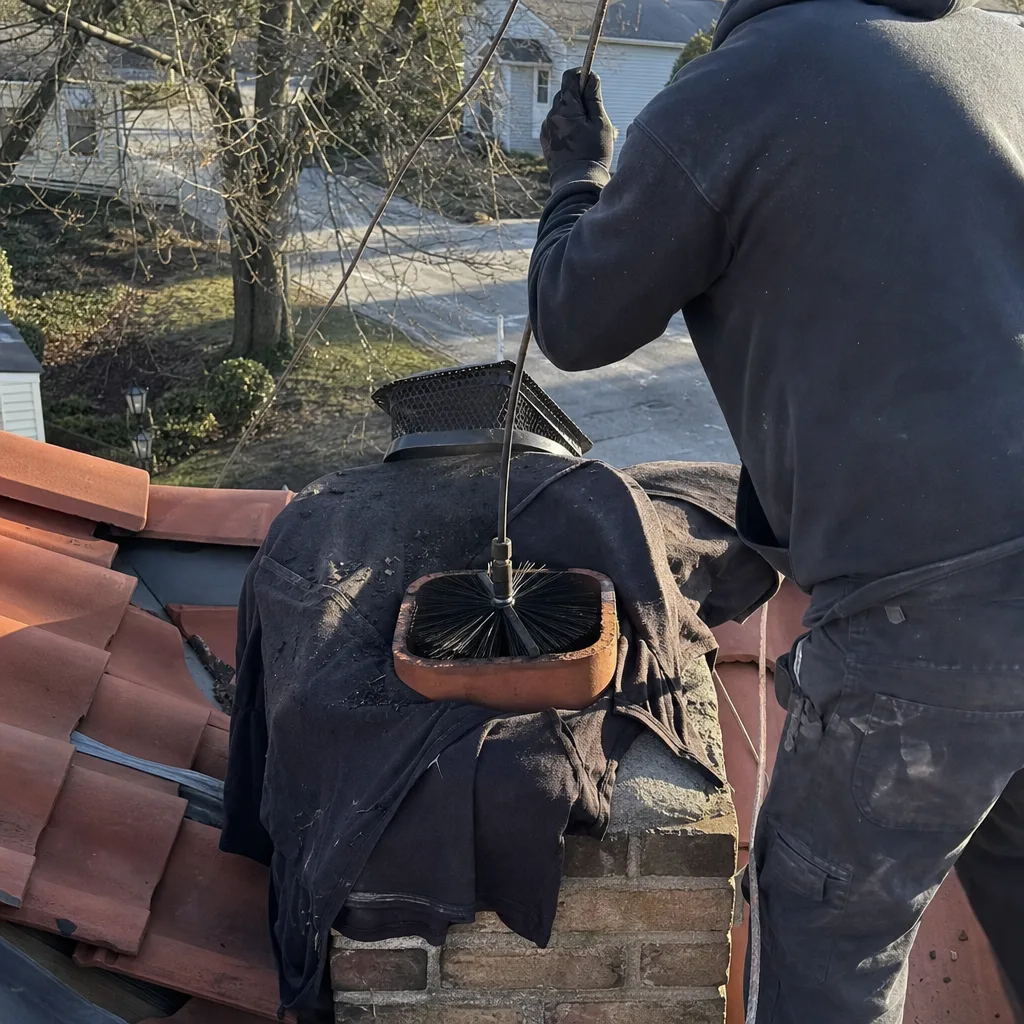
NFPA 211, the National Fire Protection Association’s standard for chimneys, fireplaces, vents, and solid fuel-burning appliances, defines three inspection levels. Most Arlington Heights homeowners don’t know which they’re purchasing, and many companies don’t clarify. Here’s the actual distinction.
Level 1 Inspection
A Level 1 inspection is a visual examination of readily accessible portions of the chimney exterior, interior, and connecting appliance. No specialized tools, no roof access required, no camera. It’s appropriate when the appliance and flue haven’t changed and no problems are suspected. A basic “chimney cleaning” that includes only a brush pass and flashlight look typically falls under Level 1, though many companies don’t explicitly state this.
Level 2 Inspection
A Level 2 inspection includes everything in Level 1, plus:
- Examination of accessible portions of the chimney exterior and interior, including attics, crawl spaces, and basements
- Video scanning of the flue interior, or other means of observing internal surfaces not readily visible
- Evaluation of clearances from combustibles in accessible locations
- Documentation of findings in a written report
Level 2 is required by NFPA 211 when: the property is being sold or transferred; the appliance or flue liner has been changed; there’s been a chimney fire, building fire, or seismic event; or the occupancy has changed. But we recommend it as the baseline for every Arlington Heights cleaning, because the freeze-thaw damage patterns here make internal flue condition too consequential to assume.
Level 3 Inspection
A Level 3 inspection involves demolition of building materials to access concealed portions of the chimney - necessary only when Level 2 indicates a hazard that can’t be evaluated otherwise. We perform these rarely, but when needed, the camera documentation from prior Level 2 inspections proves invaluable for targeting the investigation.
At Chimney Cleaning & Sweep in Arlington Heights, our standard service includes NFPA 211 Level 2 inspection with camera scan. The price reflects the documentation standard, not just the brush work. If you’re comparing quotes, ask specifically: “Is this a Level 1 or Level 2 inspection? Is the camera scan included, or additional? What documentation do I receive?” The answers will clarify whether you’re comparing equivalent services.
What a Written Service Record Should Actually Contain
The invoice is not the service record. An invoice proves you paid; a service record proves what was found, what was done, and what condition the system was left in. For Arlington Heights homeowners - particularly those in neighborhoods with active real estate turnover like Scarsdale or the area near Northwest Community Hospital - a proper service record also protects resale value and insurance claims.
Every service record from a professional chimney cleaning should include:
- Pre-service condition documentation: Photos or video stills of firebox, smoke chamber, flue liner, damper, and crown/cap before any work begins. This establishes baseline and protects both parties from dispute about pre-existing damage.
- Creosote classification and location: NFPA Class I, II, or III, with notation of which flue sections were affected. This determines whether standard brushing suffices or chemical treatment (like Anti-Creo-Soot or similar products) is needed.
- Cleaning method and scope: Manual brushing, rotary power sweeping, or chemical treatment; which components were addressed; which tools and brush sizes used for liner diameter.
- Post-service condition documentation: Matching photos showing cleaned surfaces, plus camera footage of liner condition after cleaning.
- Measured defects: Any crack widths, gap dimensions, spalling depth, or corrosion pitting, with location by distance from firebox. Not “some cracking noted” - “3/16-inch crack at 14 feet, east-facing tile, photographed.”
- Written scope and price for any recommended repairs: Before any additional work, a separate written quote with material specifications (we source from DuraFlex, HeatShield, Gelco, and Olympia Chimney through our buying network), labor breakdown, and warranty terms.
- Technician identification and timestamp: Who performed the work, when, and under what license. Background-checked, uniformed technicians with license number displayed - this is H.A.V.E.N. “Verified crews.”
- Warranty documentation: Our 365-Day Done Right Promise, stamped on every job under the Haven Standard, with specific coverage terms.
Clause 4 of the Haven Standard requires this documentation archive. We’ve maintained it since 2009, which means Arlington Heights homeowners who’ve used us have year-over-year comparison records showing exactly how their flue condition has progressed. When we return to a home in Arlington Heights’s Greenbrier neighborhood for a third or fourth visit, we can show the homeowner the 2019, 2021, and 2023 footage side by side. That progression evidence often reveals whether a repair recommendation is truly urgent or can be monitored.
What Chimney Cleaning Costs in Arlington Heights
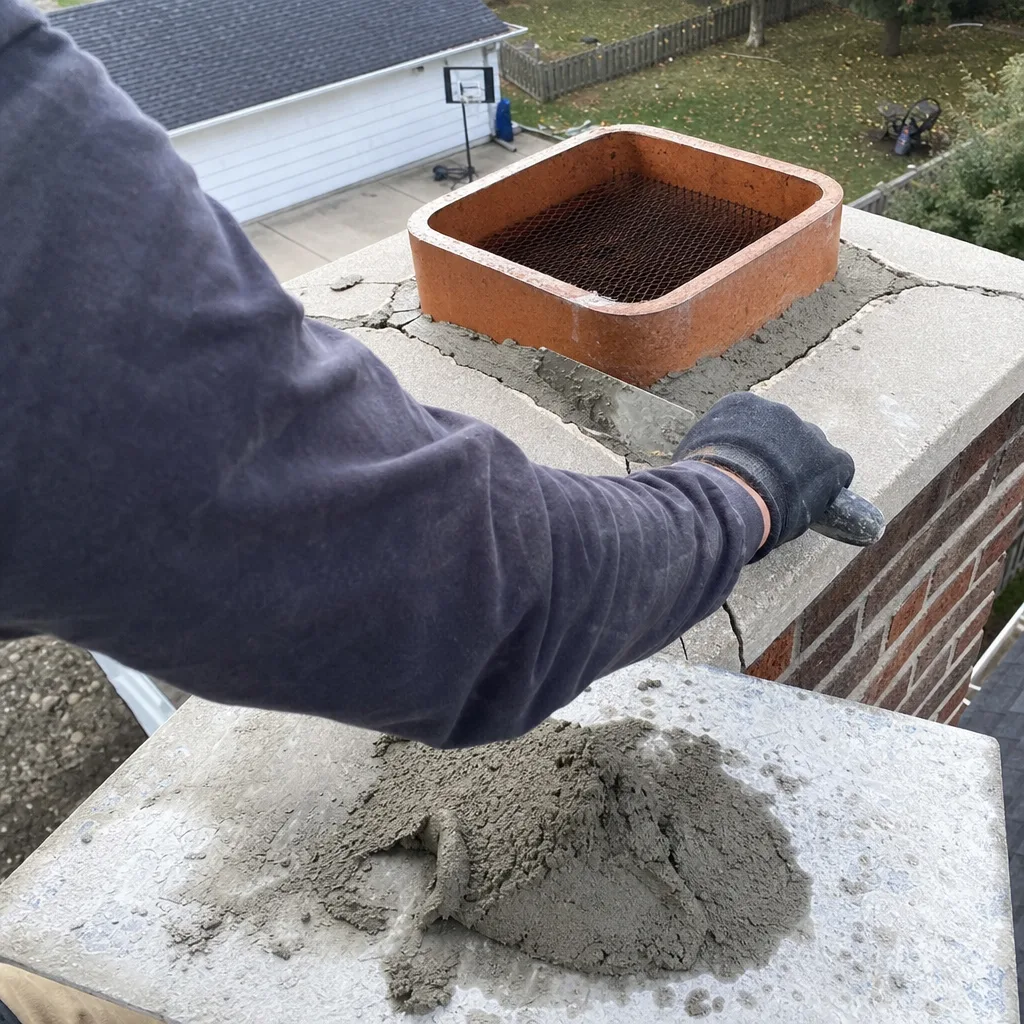
Chimney cleaning prices in Arlington Heights vary based on service level, accessibility, and fuel type. Here’s what we charge and what drives the range.
| Service | Price Range | What’s Included |
|---|---|---|
| Standard chimney sweep with Level 2 inspection | $199 - $249 | Firebox, smoke chamber, flue liner brushing; damper cleaning and function check; crown/cap inspection; full camera scan; written service record with photos |
| Heavy creosote removal (Class III) | $279 - $349 | Everything in standard sweep, plus chemical pretreatment and rotary power sweeping for glazed deposits |
| Gas fireplace service and inspection | $159 - $199 | Burner cleaning, pilot adjustment, gas pressure check, venting inspection, safety control test; camera scan of vent system |
| Insert or stove cleaning | $219 - $289 | Appliance removal (if applicable), flue liner cleaning specific to insert venting, gasket inspection, reinstallation and seal check |
Factors that increase cost:
- Roof access difficulty: Steep pitches, multiple stories, or ice dam conditions require additional safety equipment and time.
- Blocked or restricted flue: Bird nests, collapsed liner sections, or severe creosote buildup require specialized removal before standard cleaning can proceed.
- After-hours or emergency scheduling: While we don’t charge premium rates for standard bookings, true emergency calls outside business hours carry additional cost.
What should never cost extra: the camera scan, the written service record, or the photo documentation. These are baseline professional standards, not upsells. If a quote seems significantly below the ranges above, ask what’s excluded. Our How to Hire a Chimney Cleaning Contractor in Arlington Heights: A Step-by-Step Guide shows exactly what to demand in any quote. We’ve reviewed competitor estimates in Arlington Heights where the “sweep” price didn’t include roof access, camera inspection, or any documentation - the homeowner was paying for a brush pass and a verbal “looks fine.”
Our Free Second Opinion on Any Written Estimate applies here. Bring us a competitor’s written quote and we’ll review what’s actually included, line by line, at no charge. Haven Standard Clause 1 requires our own pricing in writing before work starts - no exceptions, no “we’ll tell you when we get there.”
How Often to Schedule Cleaning in Arlington Heights
The NFPA 211 standard states that chimneys, fireplaces, and vents shall be inspected at least once a year, and cleaned as necessary. “As necessary” depends on fuel type, usage pattern, and local conditions. Here’s our Arlington Heights-specific guidance based on 38,000+ inspections since 2009.
Wood-Burning Fireplaces and Stoves
Annual cleaning is the minimum. For primary heating use (more than three fires weekly October through March), we recommend inspection at mid-season and full cleaning annually. The creosote accumulation rate varies dramatically with wood moisture content - Arlington Heights homeowners who burn properly seasoned hardwood (below 20% moisture) typically see Class I or II buildup, while those burning unseasoned wood or frequent softwood fires can develop Class III glaze in a single season.
Specific Arlington Heights consideration: homes in neighborhoods with mature oak canopy (near Lake Arlington, for example) often have abundant free firewood from storm drop. That wood is rarely seasoned adequately. We’ve documented rapid Class III buildup in these homes that surprised homeowners who “only burned a few times a week.”
Gas Fireplaces and Inserts
Every two to three years for inspection and cleaning, though annual inspection is wise for vented units with shared flues. Gas burns cleaner than wood, but produces corrosive condensation in cooler flue sections, and debris can still block vents. The primary concern is venting integrity and combustion analysis, not creosote.
Pellet Stoves
Annual cleaning of the vent system, plus ash removal and combustion chamber maintenance per manufacturer schedule. Pellet venting is specialized - we use specific brush sizes and inspection protocols for these systems.
After Significant Events
Schedule Level 2 inspection after: chimney fire (even suspected - look for discolored rain cap, damaged roofing nearby, or unusual odors); seismic event; major windstorm with potential structural impact; or any changes to appliance, fuel type, or flue liner.
The Arlington Heights Timing Calendar
Based on our scheduling patterns:
- September-October: Peak booking season. Schedule 3-4 weeks ahead. Ideal for pre-heating-season confirmation of integrity.
- November-December: Emergency-heavy period. Weather events reveal crown damage; first fires reveal damper or draft issues. Availability tightens.
- January-February: Good availability, but freeze-thaw damage is actively progressing. Mid-season inspection worthwhile for heavy-use homes.
- March-April: Ideal for post-season assessment. Documents winter damage before spring rains accelerate it. Often our recommended timing for Arlington Heights’s climate.
- May-August: Best availability, competitive pricing, but delayed repair of winter damage means continued water intrusion.
Common Mistakes to Avoid
- Booking based on lowest price without comparing scope. A $99 “chimney sweep” that excludes camera inspection, roof access, and written documentation isn’t comparable to a $219 service that includes them. The real cost difference often emerges in undetected damage or unnecessary repair recommendations made without evidence.
- Assuming gas fireplaces need no maintenance. Corrosion, debris blockage, and combustion misalignment can all occur in gas systems. The risk is different - carbon monoxide from incomplete combustion rather than creosote fire - but equally serious.
- Ignoring the crown and cap until interior staining appears. By the time water stains show inside, freeze-thaw damage to the chimney structure is usually advanced. Arlington Heights’s climate makes proactive crown maintenance far cheaper than reactive rebuilds.
- Using unseasoned wood because it’s available. Free storm-dropped oak near Lake Arlington or local parkways is tempting, but burning above 25% moisture content produces rapid Class III creosote and acidic condensation that accelerates liner deterioration.
- Accepting verbal repair recommendations without written scope and price. Haven Standard Clause 1 exists because we’ve seen too many homeowners agree to “a few hundred dollars of work” that ballooned to thousands without documentation. Every recommendation should be written, with photos showing why it’s needed, before any additional work begins.
- Skipping inspection after a chimney fire. Even a small chimney fire can crack clay tiles or damage liner insulation. The flue may appear functional but have compromised integrity. NFPA 211 requires Level 2 inspection after any fire event.
- Not requesting prior documentation when buying a home. In Arlington Heights’s active market, sellers often provide a “recent chimney inspection” from a budget sweep. Ask for the full service record with camera footage. If it doesn’t exist, budget for your own Level 2 inspection before closing.
When to Call a Professional
Call for inspection if you notice: smoke backing up into the room during normal operation; unusual odors from the fireplace when not in use; visible creosote flakes falling into the firebox; white or brown staining on exterior masonry (efflorescence or acid damage); a damper that sticks, won’t fully open, or won’t seal; or any event - chimney fire, seismic, major storm - that could affect structural integrity.
Carbon monoxide symptoms - headache, nausea, dizziness when the fireplace is operating - demand immediate evacuation and emergency services, then professional flue inspection before any further use.
Level Two Chimney Arlington Heights offers free estimates in Arlington Heights - call (331) 202-2419. Every estimate includes written scope, written price, and written warranty before any work begins. Our background-checked, uniformed technicians arrive with license information displayed, and you’ll receive a text when they’re on the way. Live phone support runs 24 hours a day, 7 days a week, answered by a person, not a voicemail system.
Frequently Asked Questions
A standard chimney sweep with NFPA 211 Level 2 camera inspection in Arlington Heights costs between $199 and $249, while heavy creosote removal runs $279 to $349. Gas fireplace service typically falls between $159 and $199. Every job includes a written price before work starts, a documented photo record, and our 365-Day Done Right Promise. Call (331) 202-2419 for an exact quote - estimates are free.
You should never accept a liner replacement recommendation without camera evidence you can see for yourself. At Level Two Chimney Arlington Heights, we show you the footage - cracked tiles, gaps at joints, spalling depth - and explain what NFPA 211 requires for continued safe use. Some conditions allow monitored continuation; others require immediate action. The difference should be visible, measurable, and documented, not asserted. Our Free Second Opinion on Any Written Estimate lets you bring a competitor’s recommendation to us for independent review at no charge.
Wood-burning systems need annual inspection and cleaning as necessary; gas systems every two to three years. Arlington Heights’s freeze-thaw cycle makes pre-season or post-season timing particularly valuable - we recommend September-October or March-April to catch damage when it’s developing, not when it’s hidden by disuse or masked by heavy heating load. Heavy-use wood burners should consider mid-season inspection as well.
Skipped cleaning allows creosote accumulation, which narrows the flue and increases combustion temperature at the deposit surface. Class III creosote ignites at approximately 451°F - lower than paper - and burns at temperatures exceeding 2,000°F, which can crack clay tiles and damage surrounding structure. In Arlington Heights’s older housing stock with original construction, this risk is compounded by decades of thermal cycling. Additionally, blocked or damaged flues can channel carbon monoxide into living spaces. The risk is real, gradual, and preventable with documented annual maintenance.
Cleaning removes deposits; inspection evaluates condition. A proper service includes both - cleaning without inspection misses damage, inspection without cleaning obscures the surface condition you’re trying to evaluate. NFPA 211 Level 2 inspection, which we include as standard, encompasses both: brush work to remove creosote and debris, plus camera scan and documentation of all five flue components. Chimney Repair in Arlington Heights addresses conditions found during this process.
Basic brush kits are available for straightforward flue cleaning, but they don’t provide camera inspection, smoke chamber access, or documentation of liner condition. For Arlington Heights homeowners, the freeze-thaw damage patterns and aging housing stock make professional evaluation particularly valuable. We don’t recommend DIY for: any suspected liner damage; Class III creosote (requires chemical treatment and rotary equipment); gas venting systems (combustion analysis requires specialized tools); or any system showing draft problems or odor issues. The cost of missing a cracked liner far exceeds the service price.
Ask four questions: Is NFPA 211 Level 2 inspection with camera scan included, or extra? Will I receive a written price before work starts, or only after the technician is in my home? What documentation - photos, video, written report - do I walk away with? What warranty backs the work? The answers separate documented professional service from brush-pass operations. At Fireplace Services in Arlington Heights and across all our services, Haven Standard Clauses 1 and 4 require written pricing and photo documentation on every job, with no exceptions.
The Bottom Line
Chimney cleaning in Arlington Heights is more than a seasonal chore - it’s a documented evaluation of five interdependent flue components, each with distinct failure patterns accelerated by our regional freeze-thaw cycle. The difference between adequate and inadequate service isn’t the brush work; it’s the camera evidence, the written record, and the written price that precedes any recommendation. NFPA 211 established these standards because the consequences of missed damage - chimney fire, carbon monoxide intrusion, structural deterioration - are too severe for undocumented opinion. Since 2009, Level Two Chimney Co. has applied these standards on every job, with 38,000+ documented records and counting. Whether your home is a mid-century ranch near Pioneer Park or a newer build in Scarsdale, the documentation standard should be the same: photos you can see, measurements you can verify, and a written price you agreed to before any work began.
Ready to schedule? Call Level Two Chimney Arlington Heights at (331) 202-2419 for a free estimate. Written price before work starts, camera-scan documentation included, and our 365-Day Done Right Promise on every job.
Written by Corrine Halstead, Owner at Level Two Chimney Arlington Heights, serving Arlington Heights since 2009.